THE ADVENTURE COLLECTIVE® · Independent discovery and booking for outdoor travel

A seven-day Machame ascent gives you the best chance to reach Uhuru Peak with steady acclimatization, dramatic vegetation zones and expert local crews who handle the logistics so you can focus on the climb.
A seven-day Machame ascent gives you the best chance to reach Uhuru Peak with steady acclimatization, dramatic vegetation zones and expert local crews who handle the logistics so you can focus on the climb.
Night on the trail smells of damp nylon and wood smoke. Headlamps bob like distant fireflies as the crew packs tents and a thin moon slips behind Kibo’s glacier-streaked flank. On day one the forest swallows you—the Machame Route drops you into moss-draped trunks and ferns that seem to breathe. By day three the trees thin, dwarf lobelias and giant groundsels step forward like island sculptures, and the mountain’s profile sharpens into a horizon you can chase for seven days.
Verified experiences and guided adventures in the surrounding area.
Operated by Hazzes Adventure Ltd · Moshi, Kilimanjaro Region
Night on the trail smells of damp nylon and wood smoke. Headlamps bob like distant fireflies as the crew packs tents and a thin moon slips behind Kibo’s glacier-streaked flank. On day one the forest swallows you—the Machame Route drops you into moss-draped trunks and ferns that seem to breathe. By day three the trees thin, dwarf lobelias and giant groundsels step forward like island sculptures, and the mountain’s profile sharpens into a horizon you can chase for seven days.
The Machame, sometimes called the “Whisky Route” for its steep, varied terrain, approaches Kilimanjaro from the south-west and joins the Shira plateau before traversing beneath Kibo’s southern ice. It’s been a corridor of human movement for centuries: the Chagga people long lived on the mountain’s lower slopes, cultivating coffee and banana terraces; European climbers first recorded major ascents in the late 19th century. Geologically, Kilimanjaro is a dormant stratovolcano with three cones—Kibo, Mawenzi, and Shira—whose lava and ash flows shaped the high plateaus you cross on this itinerary.
Culturally, much of the climb’s rhythm is set by your Tanzanian crew. Porters set camp and cooks produce unexpected comforts: steaming tsotsi porridge at dawn, hot tea when the wind dares to chew through your layers. Environmentally, the icefields you’ll pass—shrinking with each decade—are reminders that this route is changing; your presence contributes fees and awareness that sustain Kilimanjaro National Park.
Practical guidance: the seven-day Machame itinerary is calibrated for gradual acclimatization. Expect 6–8 hours of hiking on tougher days and steep, hand-assisted scrambles on Barranco Wall. Overnight camps are basic but well-managed by experienced crews; sleep systems, gaiters and waterproof layers are non-negotiable. Summit night begins around midnight for a dawn arrival at Uhuru Peak—plan for a 12–16 hour window that includes the ascent and descent to Mweka.
Preparation tips: train with long hikes carrying a 10–15 kg pack and include back-to-back days of elevation gain. Hydrate proactively—altitude dulls thirst—and practice using crampon-compatible boots and a lightweight down jacket. Expect rapidly shifting conditions: alpine desert under a high sun one hour, sleet and wind the next.
For photographers and planners: sunrise on the crater rim makes the climb’s payoff obvious, while quieter vistas on Shira Plateau and Barranco Camp reward patient mornings. Accept the pace your guides set; on Kilimanjaro, patience is as important as stamina. Reach the summit with respect—for the mountain, for the team, and for the fragile ecology beneath your boots.
challenging.
7 days.
Good cardiovascular fitness and experience with multi-day hikes; ability to carry a daypack and handle sustained uphill and altitude stress.
Machame is steeper and more varied than the Marangu route but provides better acclimatization than shorter itineraries; the seven-day plan balances effort and altitude gain.
No formal experience is required, but prior multi-day hiking and good cardiovascular fitness greatly increase your chances of summiting comfortably.
Seven-day itineraries typically have higher success rates than 5-day routes thanks to slower ascent profiles; success still depends on fitness, acclimatization and weather.
Campsites with tents are used each night; porters set up camp and cooks prepare meals—expect basic but well-managed facilities.
Dry months (January–March and June–October) offer more stable weather, but climbs are run year-round with variable conditions.
Carry a valid passport; check Tanzania entry and immunization advice (yellow fever evidence may be required depending on travel origin).
The lower slopes are historically home to the Chagga people; European climbers surveyed and first summited Kibo in the late 19th century, shaping modern route development.
Kilimanjaro’s glaciers are receding; park fees fund conservation and community projects—minimize impact by following guide instructions and packing out waste.
Hazzes Adventure Ltd operates guided outdoor trips and adventures with an emphasis on safety, stewardship, and memorable experiences.
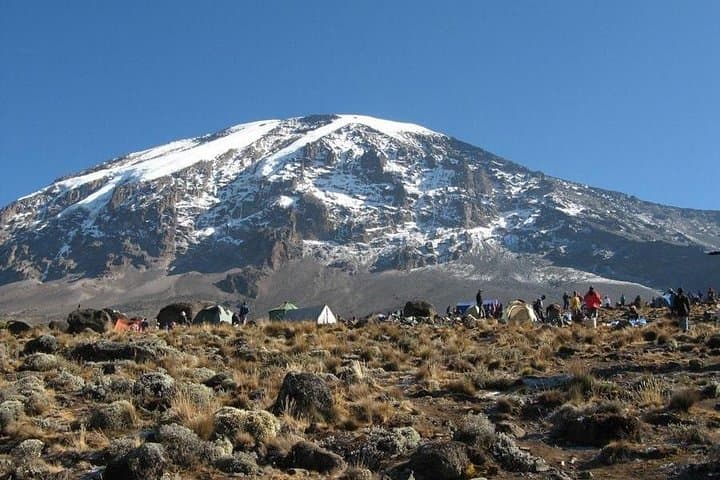
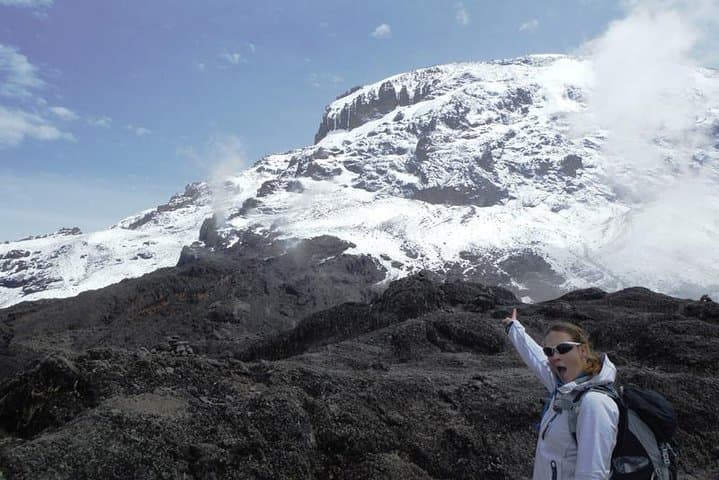
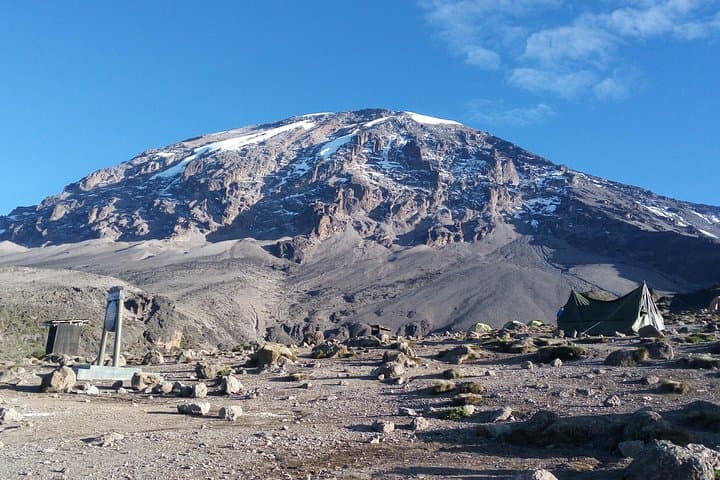
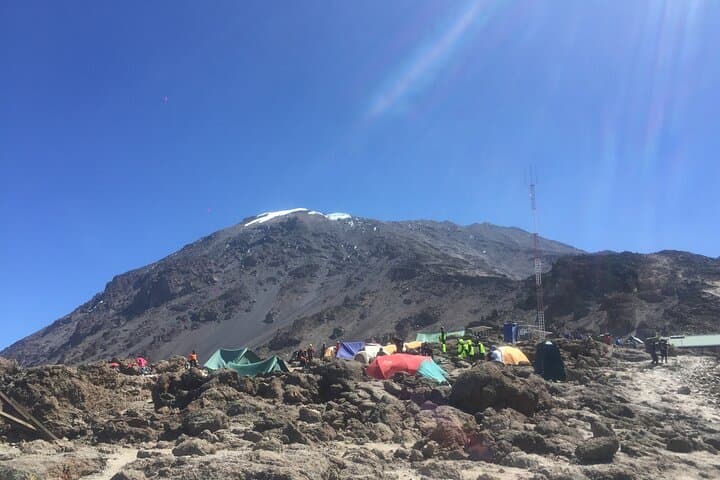
Night on the trail smells of damp nylon and wood smoke. Headlamps bob like distant fireflies as the crew packs tents and a thin moon slips behind Kibo’s glacier-streaked flank. On day one the forest swallows you—the Machame Route drops you into moss-draped trunks and ferns that seem to breathe. By day three the trees thin, dwarf lobelias and giant groundsels step forward like island sculptures, and the mountain’s profile sharpens into a horizon you can chase for seven days.
Night on the trail smells of damp nylon and wood smoke. Headlamps bob like distant fireflies as the crew packs tents and a thin moon slips behind Kibo’s glacier-streaked flank. On day one the forest swallows you—the Machame Route drops you into moss-draped trunks and ferns that seem to breathe. By day three the trees thin, dwarf lobelias and giant groundsels step forward like island sculptures, and the mountain’s profile sharpens into a horizon you can chase for seven days.
The Machame, sometimes called the “Whisky Route” for its steep, varied terrain, approaches Kilimanjaro from the south-west and joins the Shira plateau before traversing beneath Kibo’s southern ice. It’s been a corridor of human movement for centuries: the Chagga people long lived on the mountain’s lower slopes, cultivating coffee and banana terraces; European climbers first recorded major ascents in the late 19th century. Geologically, Kilimanjaro is a dormant stratovolcano with three cones—Kibo, Mawenzi, and Shira—whose lava and ash flows shaped the high plateaus you cross on this itinerary.
Culturally, much of the climb’s rhythm is set by your Tanzanian crew. Porters set camp and cooks produce unexpected comforts: steaming tsotsi porridge at dawn, hot tea when the wind dares to chew through your layers. Environmentally, the icefields you’ll pass—shrinking with each decade—are reminders that this route is changing; your presence contributes fees and awareness that sustain Kilimanjaro National Park.
Practical guidance: the seven-day Machame itinerary is calibrated for gradual acclimatization. Expect 6–8 hours of hiking on tougher days and steep, hand-assisted scrambles on Barranco Wall. Overnight camps are basic but well-managed by experienced crews; sleep systems, gaiters and waterproof layers are non-negotiable. Summit night begins around midnight for a dawn arrival at Uhuru Peak—plan for a 12–16 hour window that includes the ascent and descent to Mweka.
Preparation tips: train with long hikes carrying a 10–15 kg pack and include back-to-back days of elevation gain. Hydrate proactively—altitude dulls thirst—and practice using crampon-compatible boots and a lightweight down jacket. Expect rapidly shifting conditions: alpine desert under a high sun one hour, sleet and wind the next.
For photographers and planners: sunrise on the crater rim makes the climb’s payoff obvious, while quieter vistas on Shira Plateau and Barranco Camp reward patient mornings. Accept the pace your guides set; on Kilimanjaro, patience is as important as stamina. Reach the summit with respect—for the mountain, for the team, and for the fragile ecology beneath your boots.