THE ADVENTURE COLLECTIVE® · Independent discovery and booking for outdoor travel

A seven-day ascent of Kilimanjaro via the Machame Route takes you from tropical forest to icy summit in a progression of dramatic ecosystems. This guided itinerary balances acclimatization and challenge to give hikers a realistic shot at Uhuru Peak.
A seven-day ascent of Kilimanjaro via the Machame Route takes you from tropical forest to icy summit in a progression of dramatic ecosystems. This guided itinerary balances acclimatization and challenge to give hikers a realistic shot at Uhuru Peak.
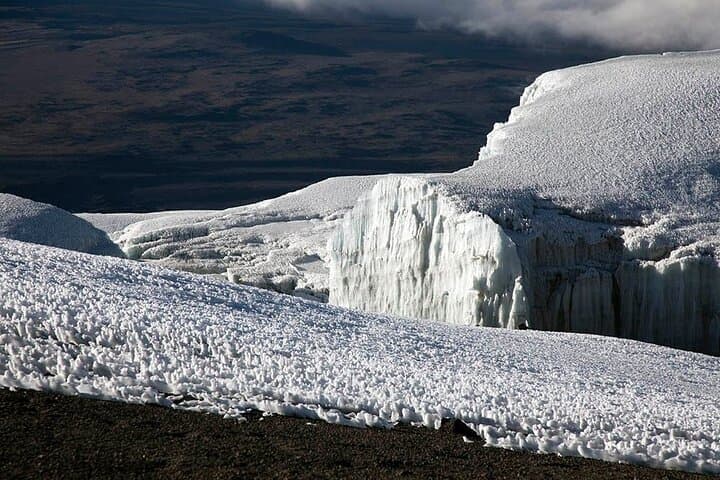
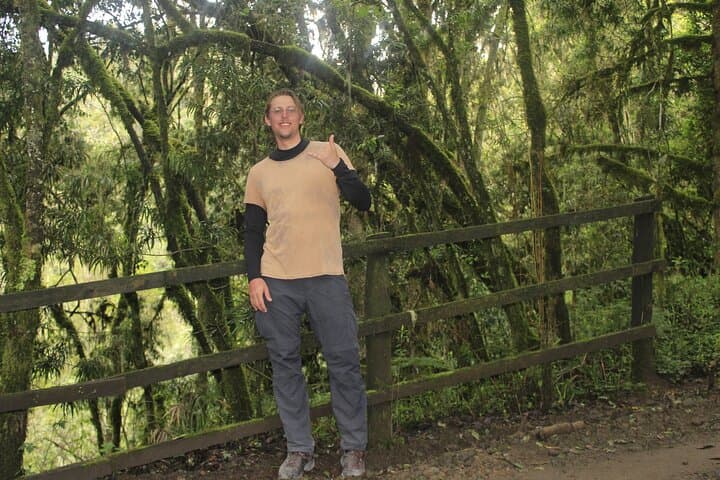
The dawn over Moshi is a slow burn of orange and dust when your driver swings off the main road and into the Machame trailhead. You step out into a highland air that smells of wet earth and eucalyptus; behind you the plain flattens toward the Indian Ocean, ahead a stratified giant — Kilimanjaro — looms in layers: rainforest at the base, moonlike scree around its crown, and ice flirting with the sky.
Verified experiences and guided adventures in the surrounding area.
Operated by KILIMANJARO CLIMBING TOURS · Moshi, Kilimanjaro Region
The dawn over Moshi is a slow burn of orange and dust when your driver swings off the main road and into the Machame trailhead. You step out into a highland air that smells of wet earth and eucalyptus; behind you the plain flattens toward the Indian Ocean, ahead a stratified giant — Kilimanjaro — looms in layers: rainforest at the base, moonlike scree around its crown, and ice flirting with the sky.
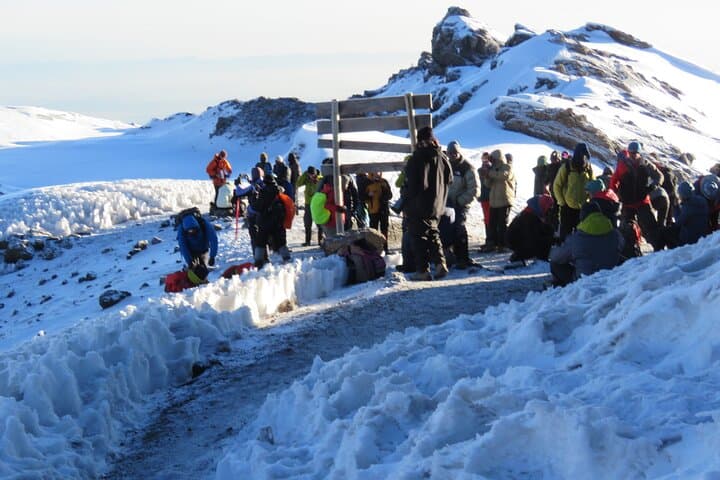
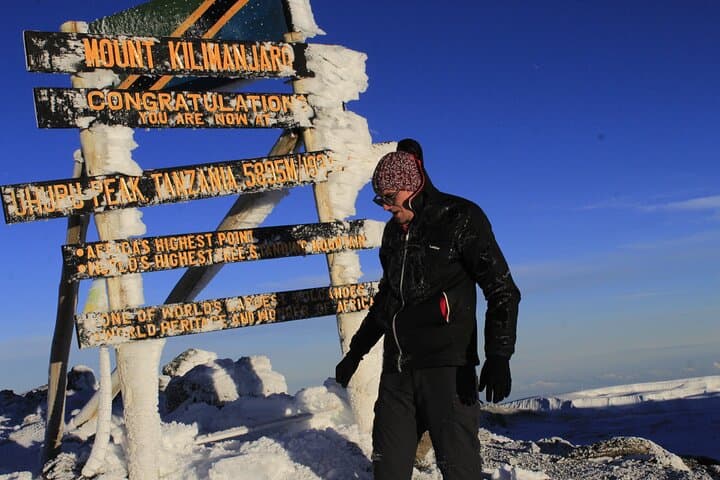
The Machame Route earns its nickname, the “Whiskey” route, for its dramatic profiles and steeper pitches. Over seven days you climb from roughly 1,490 m at Machame Village to Uhuru Peak at 5,895 m — a total elevation gain near 4,400 m — threading rainforests, moorlands, lava fields, and the alpine desert. Stops at Shira Plateau, the volcanic ruin of Lava Tower (4,630 m), Barranco Wall, and Barafu sit between long hiking days and singular viewpoints. Summit night begins as a pre-dawn push from Barafu; most climbers reach Stella Point for sunrise before the final ridge to Uhuru.
Geologically the mountain is a dormant stratovolcano built from layered lava flows; the Western Breach and exposed volcanic ribs you pass are evidence of Kilimanjaro’s violent past. Culturally, the foothills belong to the Chagga people whose coffee farms and terraced fields color the approach. Moshi, the town most travelers use as base, hums with guides, porters, and crews—climbing Kilimanjaro is as much a team endeavor as a personal test. At Mweka Gate you’ll sign the log and receive summit certificates: green for Stella Point, gold for Uhuru Peak.
Practicalities are straightforward but non-negotiable. The route is non-technical—no ropes or crampons required in most seasons—but it is high-altitude trekking. Expect varied terrain: muddy rainforest trails, eroded scree, steep gullies and rocky ridgelines. Temperatures swing from warm in the lower forests to well below freezing above 4,500 m; summit temperatures commonly sit below -10°C with wind. Altitude is the real variable: the itinerary builds acclimatization into the schedule, and the pace is deliberately slow on summit night.
Pack layered clothing, solid waterproof boots, gaiters, trekking poles, and a 4-season sleeping bag. Hydration, steady pacing, and early-season flexibility (rain can reroute trails) determine success as much as fitness. Bring small local currency for tips—porters and guides form the heartbeat of any Kilimanjaro summit.
If you want big views, big effort, and an itinerary that prioritizes acclimatization and celebration, the Machame 7-day circuit delivers a climb that is scenic, demanding, and ultimately memorable.
challenging.
7 days.
You should be in solid aerobic condition — regular hiking, stair climbing, or endurance training for several months prepares you; previous high-altitude experience helps but is not required.
No — the Machame Route is non-technical; you won’t need ropes or crampons in normal conditions, though snow at high elevations can require extra caution.
The main climbing seasons are January–March and June–October when conditions are generally drier and clearer, though weather on Kilimanjaro can change rapidly.
Summit day is the longest and hardest: a pre-dawn 6–8 hour ascent through scree to Stella Point then Uhuru Peak, followed by a long descent; it demands pacing, hydration, and mental resilience.
Check Tanzania entry requirements for vaccinations; your operator arranges park permits included in the tour price.
AMS is possible; the 7-day itinerary is designed to aid acclimatization, but listen to guides, report symptoms early, and rely on rest and hydration.
Yes — professional guides and porters are part of the package; tipping is customary and supports local livelihoods.
Kilimanjaro is a dormant stratovolcano whose peaks (Kibo, Mawenzi, Shira) record successive volcanic events; the area has long been home to the Chagga people, whose terraces and coffee farms ring the mountain.
Kilimanjaros National Park manages climber access to protect fragile alpine zones; stick to trails and minimize waste—the mountain’s ecosystem recovers slowly from disturbance.
KILIMANJARO CLIMBING TOURS operates guided outdoor trips and adventures with an emphasis on safety, stewardship, and memorable experiences.
The dawn over Moshi is a slow burn of orange and dust when your driver swings off the main road and into the Machame trailhead. You step out into a highland air that smells of wet earth and eucalyptus; behind you the plain flattens toward the Indian Ocean, ahead a stratified giant — Kilimanjaro — looms in layers: rainforest at the base, moonlike scree around its crown, and ice flirting with the sky.
The dawn over Moshi is a slow burn of orange and dust when your driver swings off the main road and into the Machame trailhead. You step out into a highland air that smells of wet earth and eucalyptus; behind you the plain flattens toward the Indian Ocean, ahead a stratified giant — Kilimanjaro — looms in layers: rainforest at the base, moonlike scree around its crown, and ice flirting with the sky.
The Machame Route earns its nickname, the “Whiskey” route, for its dramatic profiles and steeper pitches. Over seven days you climb from roughly 1,490 m at Machame Village to Uhuru Peak at 5,895 m — a total elevation gain near 4,400 m — threading rainforests, moorlands, lava fields, and the alpine desert. Stops at Shira Plateau, the volcanic ruin of Lava Tower (4,630 m), Barranco Wall, and Barafu sit between long hiking days and singular viewpoints. Summit night begins as a pre-dawn push from Barafu; most climbers reach Stella Point for sunrise before the final ridge to Uhuru.
Geologically the mountain is a dormant stratovolcano built from layered lava flows; the Western Breach and exposed volcanic ribs you pass are evidence of Kilimanjaro’s violent past. Culturally, the foothills belong to the Chagga people whose coffee farms and terraced fields color the approach. Moshi, the town most travelers use as base, hums with guides, porters, and crews—climbing Kilimanjaro is as much a team endeavor as a personal test. At Mweka Gate you’ll sign the log and receive summit certificates: green for Stella Point, gold for Uhuru Peak.
Practicalities are straightforward but non-negotiable. The route is non-technical—no ropes or crampons required in most seasons—but it is high-altitude trekking. Expect varied terrain: muddy rainforest trails, eroded scree, steep gullies and rocky ridgelines. Temperatures swing from warm in the lower forests to well below freezing above 4,500 m; summit temperatures commonly sit below -10°C with wind. Altitude is the real variable: the itinerary builds acclimatization into the schedule, and the pace is deliberately slow on summit night.
Pack layered clothing, solid waterproof boots, gaiters, trekking poles, and a 4-season sleeping bag. Hydration, steady pacing, and early-season flexibility (rain can reroute trails) determine success as much as fitness. Bring small local currency for tips—porters and guides form the heartbeat of any Kilimanjaro summit.
If you want big views, big effort, and an itinerary that prioritizes acclimatization and celebration, the Machame 7-day circuit delivers a climb that is scenic, demanding, and ultimately memorable.