THE ADVENTURE COLLECTIVE® · Independent discovery and booking for outdoor travel

A seven-day Machame ascent on Kilimanjaro blends dramatic landscapes with thoughtful acclimatization. This guide explains what to expect from the trail, the geology and culture around the mountain, and practical tips to reach Uhuru Peak safely.
A seven-day Machame ascent on Kilimanjaro blends dramatic landscapes with thoughtful acclimatization. This guide explains what to expect from the trail, the geology and culture around the mountain, and practical tips to reach Uhuru Peak safely.
You stand under a canopy of creeping moss as the rainforest exhales around you — a chorus of insects, the distant call of colobus monkeys and the soft slap of boots in mud. The trail climbs, narrowing into a rib of earth that points toward a white crown on the horizon: Kibo’s icy crater rim. The Machame variation is equal parts theater and toolkit — a route that stages dramatic shifts from wet cloud forest to alpine desert, giving your legs and lungs time to adapt before the long night that leads to Uhuru Peak.
Verified experiences and guided adventures in the surrounding area.
Operated by Mikumi Holiday Safaris · Moshi, Kilimanjaro Region
You stand under a canopy of creeping moss as the rainforest exhales around you — a chorus of insects, the distant call of colobus monkeys and the soft slap of boots in mud. The trail climbs, narrowing into a rib of earth that points toward a white crown on the horizon: Kibo’s icy crater rim. The Machame variation is equal parts theater and toolkit — a route that stages dramatic shifts from wet cloud forest to alpine desert, giving your legs and lungs time to adapt before the long night that leads to Uhuru Peak.
The Machame route has grown in popularity because its seven-day cadence breaks the hardest sections into manageable pieces. Instead of a single brutal push, this itinerary inserts a short day before summit night: Barranco to Barafu is split to conserve strength and sharpen focus. Historically, Kilimanjaro has been a crossroads — home to the Chagga people who farm its fertile lower slopes and later a magnet for Victorian explorers; Hans Meyer’s first confirmed ascent of Uhuru Peak in 1889 helped put the mountain on the world’s map.
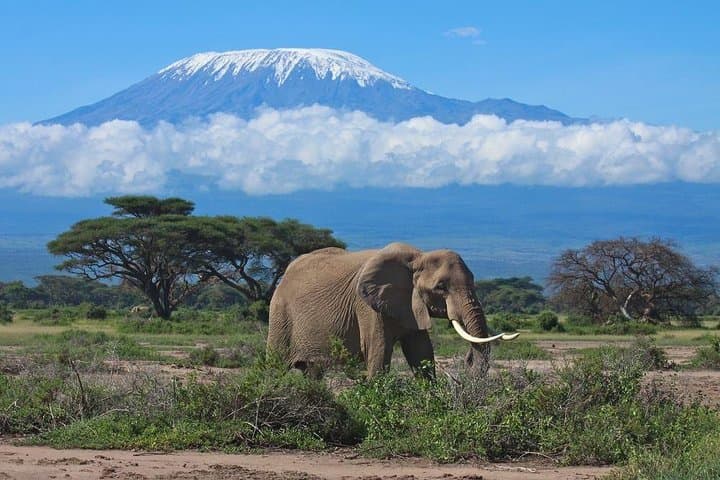
Geologically, Kilimanjaro is a giant stratovolcano composed of three cones: Mawenzi, Shira and Kibo. The Machame path threads the southern flank, traversing shifting terrain — tangled forest, heathered ridgelines, lunar lava flows at the Shira Plateau, and finally the scree and snow of Kibo’s upper flanks. The mountain exerts its own personality: the rainforest seems to pull hikers inward, while the summit’s wind and cold dare you forward.
Culturally, the trek is also a window into local life. Guides and porters are often from Moshi and the Chagga communities; their knowledge of weather, water and trailcraft is part of the climb’s safety net. Many operators include park fees that support conservation and community programs — an important part of responsible travel here.
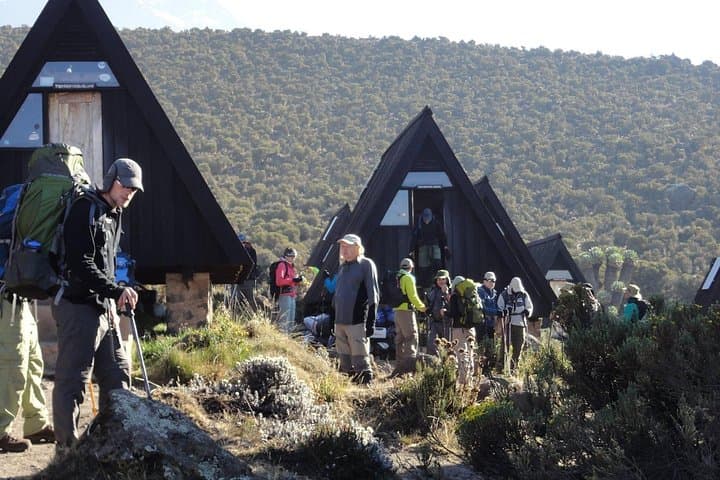
Practical guidance: expect 7 days of trekking, with daily hiking times ranging from 4–8 hours and elevations topping at 19,341 ft (Uhuru Peak). Layers are essential — rainforest humidity below 10,000 ft gives way to alpine wind chill above Barafu. Trekking poles and gaiters will make mud and scree manageable; a headlamp is mandatory for the midnight ascent. Acclimatization is the trip’s central strategy: follow your guides, drink often, and measure effort rather than speed.
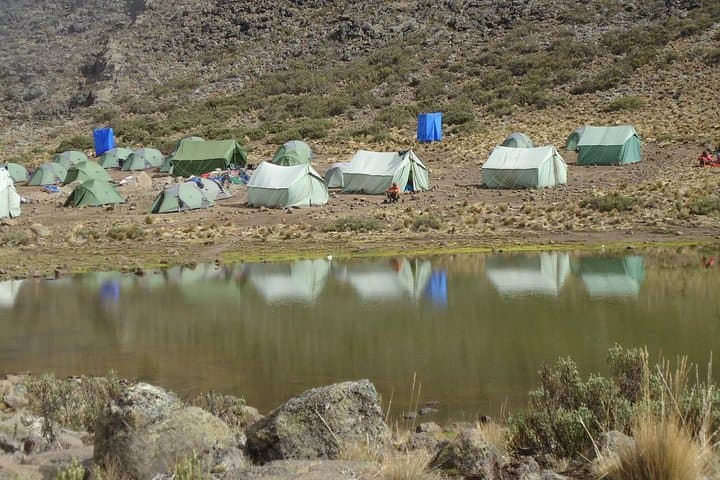
Logistics: most climbers stay in Moshi before and after the climb; operators typically include transfers from Kilimanjaro Airport, meals on the mountain, crew support, and camping. Medical considerations are real: high-altitude illness can strike anyone; be transparent about heart or respiratory issues and carry basic altitude meds if advised.
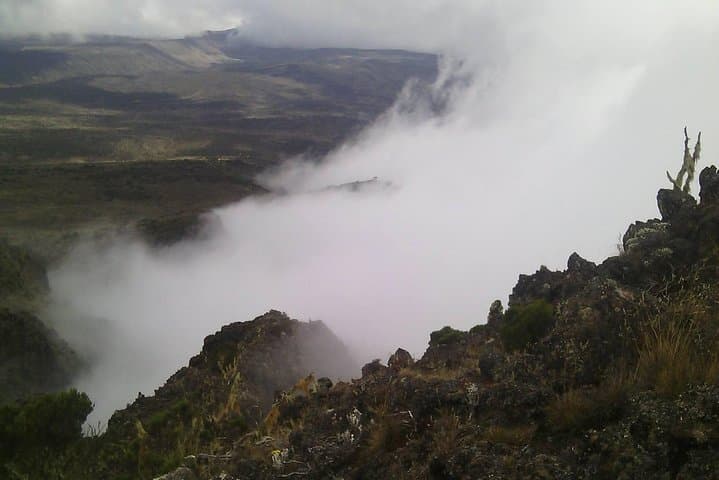
The Machame route rewards patience: morning mists that open into vast plateau views, the jagged silhouette of Mawenzi, and the final sunrise at Stella Point that can feel like payback for all the cold and effort. It's a climb that teaches you to move deliberately — step by step, breath by breath — until the continent’s roof is under your boots.
challenging.
7 days.
Good cardiovascular fitness with prior multi-day hiking experience; ability to hike 4–8 hours a day at altitude is required.
No; the Machame route is a non-technical trek. You’ll need solid hiking gear, poles, and warm clothing for the summit, but no ropes or crampons unless snow conditions are extreme.
Success depends on fitness, acclimatization, weather and guide decisions; the seven-day schedule improves odds by allowing better acclimatization.
Typical inclusions are park fees, meals on the mountain, crew support (guides and porters), camping equipment and transfers to/from Moshi or the airport.
It can affect anyone; the itinerary reduces risk but you should watch symptoms, hydrate, move slowly and follow medical advice from guides.
The clearest windows are June–October and late December–February when rainfall is lowest, though weather is always variable at altitude.
Physically fit beginners with prior long-day hikes and proper preparation can attempt it, but be realistic about the challenge of high-altitude trekking.
The Chagga people have cultivated Kilimanjaro’s lower slopes for centuries; European climbers first recorded summits in the late 19th century, elevating the mountain’s global fame.
Mount Kilimanjaro National Park charges entrance fees that fund conservation and local communities; stick to trails, carry all waste, and use established operators to minimize impact.
Mikumi Holiday Safaris operates guided outdoor trips and adventures with an emphasis on safety, stewardship, and memorable experiences.
You stand under a canopy of creeping moss as the rainforest exhales around you — a chorus of insects, the distant call of colobus monkeys and the soft slap of boots in mud. The trail climbs, narrowing into a rib of earth that points toward a white crown on the horizon: Kibo’s icy crater rim. The Machame variation is equal parts theater and toolkit — a route that stages dramatic shifts from wet cloud forest to alpine desert, giving your legs and lungs time to adapt before the long night that leads to Uhuru Peak.
You stand under a canopy of creeping moss as the rainforest exhales around you — a chorus of insects, the distant call of colobus monkeys and the soft slap of boots in mud. The trail climbs, narrowing into a rib of earth that points toward a white crown on the horizon: Kibo’s icy crater rim. The Machame variation is equal parts theater and toolkit — a route that stages dramatic shifts from wet cloud forest to alpine desert, giving your legs and lungs time to adapt before the long night that leads to Uhuru Peak.
The Machame route has grown in popularity because its seven-day cadence breaks the hardest sections into manageable pieces. Instead of a single brutal push, this itinerary inserts a short day before summit night: Barranco to Barafu is split to conserve strength and sharpen focus. Historically, Kilimanjaro has been a crossroads — home to the Chagga people who farm its fertile lower slopes and later a magnet for Victorian explorers; Hans Meyer’s first confirmed ascent of Uhuru Peak in 1889 helped put the mountain on the world’s map.
Geologically, Kilimanjaro is a giant stratovolcano composed of three cones: Mawenzi, Shira and Kibo. The Machame path threads the southern flank, traversing shifting terrain — tangled forest, heathered ridgelines, lunar lava flows at the Shira Plateau, and finally the scree and snow of Kibo’s upper flanks. The mountain exerts its own personality: the rainforest seems to pull hikers inward, while the summit’s wind and cold dare you forward.
Culturally, the trek is also a window into local life. Guides and porters are often from Moshi and the Chagga communities; their knowledge of weather, water and trailcraft is part of the climb’s safety net. Many operators include park fees that support conservation and community programs — an important part of responsible travel here.
Practical guidance: expect 7 days of trekking, with daily hiking times ranging from 4–8 hours and elevations topping at 19,341 ft (Uhuru Peak). Layers are essential — rainforest humidity below 10,000 ft gives way to alpine wind chill above Barafu. Trekking poles and gaiters will make mud and scree manageable; a headlamp is mandatory for the midnight ascent. Acclimatization is the trip’s central strategy: follow your guides, drink often, and measure effort rather than speed.
Logistics: most climbers stay in Moshi before and after the climb; operators typically include transfers from Kilimanjaro Airport, meals on the mountain, crew support, and camping. Medical considerations are real: high-altitude illness can strike anyone; be transparent about heart or respiratory issues and carry basic altitude meds if advised.
The Machame route rewards patience: morning mists that open into vast plateau views, the jagged silhouette of Mawenzi, and the final sunrise at Stella Point that can feel like payback for all the cold and effort. It's a climb that teaches you to move deliberately — step by step, breath by breath — until the continent’s roof is under your boots.