THE ADVENTURE COLLECTIVE® · Independent discovery and booking for outdoor travel

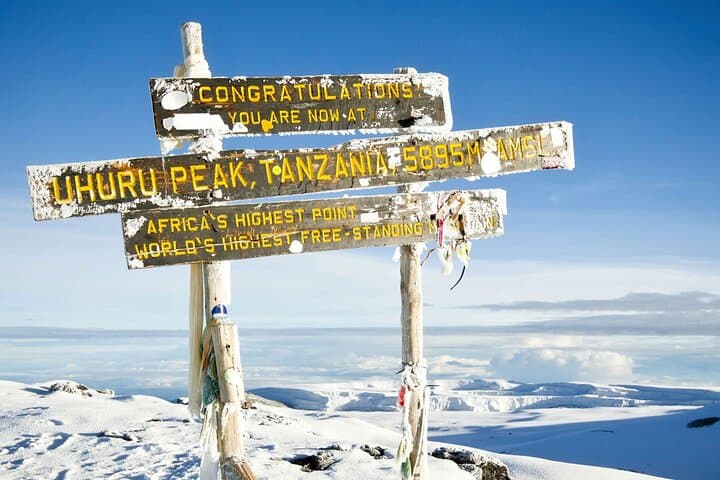
A seven-day Machame Route climb on Kilimanjaro that prioritizes acclimatization with an extra Karanga day to boost summit success. Expect rainforest, moorland, alpine desert, and a long midnight summit push to Uhuru Peak.
A seven-day Machame Route climb on Kilimanjaro that prioritizes acclimatization with an extra Karanga day to boost summit success. Expect rainforest, moorland, alpine desert, and a long midnight summit push to Uhuru Peak.
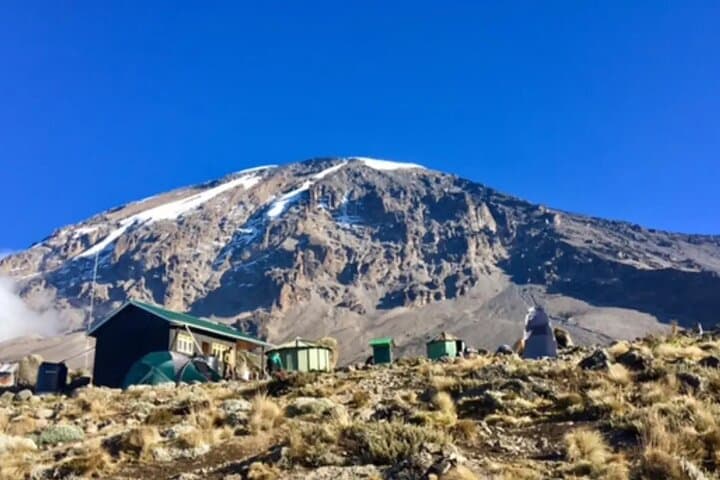
The headlamp pool moves like a line of slow fireflies against the black flank of Kilimanjaro as you leave Barafu around midnight, each step a small negotiation with altitude and cold. By dawn the crater rim opens wider than you imagined — a raw, wind-scoured arena where the continent’s highest peak sits like a crown of ice and rock.
Verified experiences and guided adventures in the surrounding area.
Operated by Pride of Africa Adventures and Safaris · Moshi, Kilimanjaro Region
The headlamp pool moves like a line of slow fireflies against the black flank of Kilimanjaro as you leave Barafu around midnight, each step a small negotiation with altitude and cold. By dawn the crater rim opens wider than you imagined — a raw, wind-scoured arena where the continent’s highest peak sits like a crown of ice and rock.
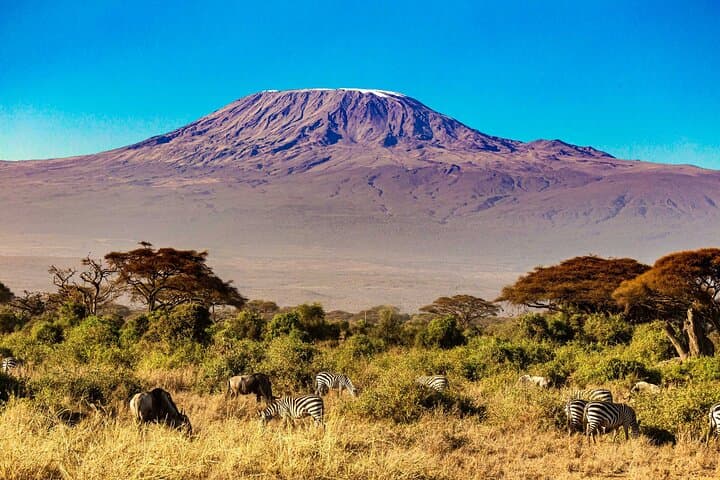
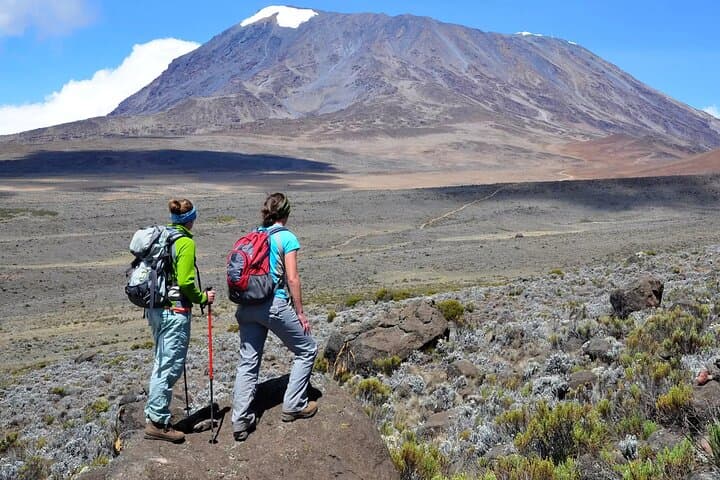
Machame is a trail of transitions: rainforest that hums with life, heather and moorland that push you into thinner air, then alpine desert where the glacier-smattered skyline compels a quiet focus. Geologically Kilimanjaro is a dormant stratovolcano built from successive eruptions; its remaining glaciers are retreating fast, a visible sign of regional climate change. Culturally the climb cuts through Chagga farmland on the mountain's lower slopes — small terraces and banana groves that have supported communities for generations. Kilimanjaro National Park, created to protect this landscape, was inscribed as a UNESCO World Heritage site in 1987.
This seven-day Machame itinerary adds an extra acclimatization day at Karanga Camp to improve summit odds. Expect daily distances from 2–11 km, camp-to-camp elevation gains that range from a few hundred to over 1,000 meters, and one long summit push of 12–16 hours from Barafu to Uhuru and down to Mweka.
Practical guidance: pack layered insulation for wide temperature swings, bring a rated sleeping bag, and train with long hikes and back-to-back days. Hydrate constantly and eat regularly; guides monitor pace and symptoms, but altitude remains the main hazard. Respect porter limits, use park-designated trails, and plan arrival in Moshi or Arusha for final logistics and rest before the climb.
challenging.
7 days.
Requires high aerobic fitness and experience with back-to-back long days of uphill hiking; good cardiovascular conditioning and leg endurance are essential
Summit day is the longest and most demanding—expect 12–16 hours with a steep, slow ascent through the night; success depends on pacing, acclimatization, and weather.
No technical climbing skills are required, but prior multi-day hiking experience and good fitness significantly increase comfort and summit chances.
Climbs require park entry, camping, and rescue fees included by licensed operators; confirm that your operator handles Kilimanjaro National Park permits and registers your group.
Acute mountain sickness is the primary risk—symptoms are monitored by guides, and itineraries with extra acclimatization days (like this seven-day plan) reduce risk but cannot eliminate it.
Kilimanjaro is a volcanic massif with archaeological links to local Chagga communities; Kilimanjaro National Park was established in 1977 and became a UNESCO World Heritage site in 1987.
Glaciers on Kilimanjaro are receding rapidly; stick to marked trails, minimize waste, and use licensed operators who follow porter welfare and park rules.
Pride of Africa Adventures and Safaris operates guided outdoor trips and adventures with an emphasis on safety, stewardship, and memorable experiences.
The headlamp pool moves like a line of slow fireflies against the black flank of Kilimanjaro as you leave Barafu around midnight, each step a small negotiation with altitude and cold. By dawn the crater rim opens wider than you imagined — a raw, wind-scoured arena where the continent’s highest peak sits like a crown of ice and rock.
The headlamp pool moves like a line of slow fireflies against the black flank of Kilimanjaro as you leave Barafu around midnight, each step a small negotiation with altitude and cold. By dawn the crater rim opens wider than you imagined — a raw, wind-scoured arena where the continent’s highest peak sits like a crown of ice and rock.
Machame is a trail of transitions: rainforest that hums with life, heather and moorland that push you into thinner air, then alpine desert where the glacier-smattered skyline compels a quiet focus. Geologically Kilimanjaro is a dormant stratovolcano built from successive eruptions; its remaining glaciers are retreating fast, a visible sign of regional climate change. Culturally the climb cuts through Chagga farmland on the mountain's lower slopes — small terraces and banana groves that have supported communities for generations. Kilimanjaro National Park, created to protect this landscape, was inscribed as a UNESCO World Heritage site in 1987.
This seven-day Machame itinerary adds an extra acclimatization day at Karanga Camp to improve summit odds. Expect daily distances from 2–11 km, camp-to-camp elevation gains that range from a few hundred to over 1,000 meters, and one long summit push of 12–16 hours from Barafu to Uhuru and down to Mweka.
Practical guidance: pack layered insulation for wide temperature swings, bring a rated sleeping bag, and train with long hikes and back-to-back days. Hydrate constantly and eat regularly; guides monitor pace and symptoms, but altitude remains the main hazard. Respect porter limits, use park-designated trails, and plan arrival in Moshi or Arusha for final logistics and rest before the climb.