THE ADVENTURE COLLECTIVE® · Independent discovery and booking for outdoor travel

A classic 7-day Kilimanjaro itinerary, the Machame Route moves from rainforest to alpine desert and offers strong acclimatization and high summit success rates. This guide covers terrain, logistics, and what to expect on the way to Uhuru Peak.
A classic 7-day Kilimanjaro itinerary, the Machame Route moves from rainforest to alpine desert and offers strong acclimatization and high summit success rates. This guide covers terrain, logistics, and what to expect on the way to Uhuru Peak.
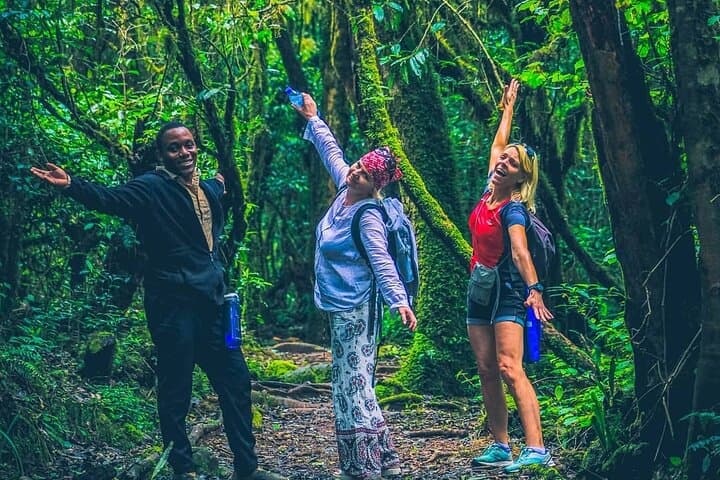
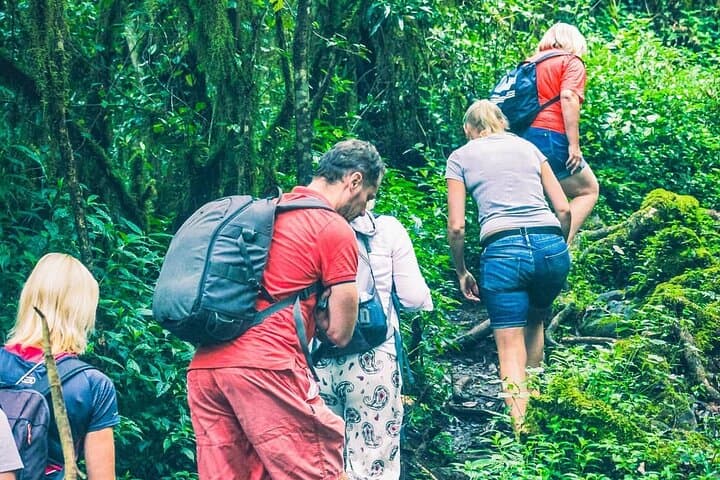
Dawn on the Machame trail begins under dripping rainforest canopy—moss and lichen slick on roots—then opens into the wide, wind-swept Shira Plateau where the mountain seems to rearrange the sky. Climbers move from warm, humid jungle through heather and moorland into the alpine desert; every camp feels like a small victory against altitude and weather.
Verified experiences and guided adventures in the surrounding area.
Operated by Hillborn Organic Coffee · Moshi, Kilimanjaro Region
Dawn on the Machame trail begins under dripping rainforest canopy—moss and lichen slick on roots—then opens into the wide, wind-swept Shira Plateau where the mountain seems to rearrange the sky. Climbers move from warm, humid jungle through heather and moorland into the alpine desert; every camp feels like a small victory against altitude and weather.
Geologically, Kilimanjaro is a dormant stratovolcano whose three cones (Kibo, Mawenzi, Shira) record millions of volcanic years. The Machame Route climbs the mountain’s southwestern flank, using steep approaches and high traverses to gain altitude more gradually than some routes. Culturally, the climb takes place on Chagga land near Moshi; local guides and porters bring not just logistics but knowledge of mountain rhythms and weather patterns.
Practically, the standard Machame 7-day itinerary covers roughly 55–65 km with total ascent from ~1,600–1,800 m to Uhuru Peak at 5,895 m, so expect significant daily elevation gain and nights in tents. The route’s strength is acclimatization—“trek high, sleep low” sections increase summit odds but demand patience and steady pacing.
Plan for variable conditions: humid forests early, cold nights above 3,000 m, and a demanding midnight summit push on loose volcanic scree. Hydration, layered insulation, and daily pace are decisive; heed your guides and take extra acclimatization days if needed. With proper preparation the Machame Route delivers dramatic landscapes, wildlife glimpses, and the raw satisfaction of standing atop East Africa’s highest peak.
challenging.
7 days.
Good cardiovascular fitness and prior multi-day hiking experience recommended; ability to hike 4–8 hours daily with heavy pack at altitude.
No technical climbing equipment or mountaineering experience is required on the Machame Route—it's a high-altitude trek, not a roped climb, though crampons may be needed in rare icy conditions.
The 7-day Machame itinerary has a strong success rate due to its acclimatization profile, but summit success depends on fitness, pacing, weather, and individual response to altitude.
Professional operators typically include guides, cooks and porters who handle route logistics and camp setup; confirm staff-to-client ratios and tipping practices before booking.
Routine vaccines are advised and malaria prophylaxis may be recommended depending on your travel plan; consult a travel clinic for tailored advice and altitude education.
Kilimanjaro has long been significant to Chagga communities and was first summited by Hans Meyer and Ludwig Purtscheller in 1889; its volcanic structure reveals a long, complex geologic history.
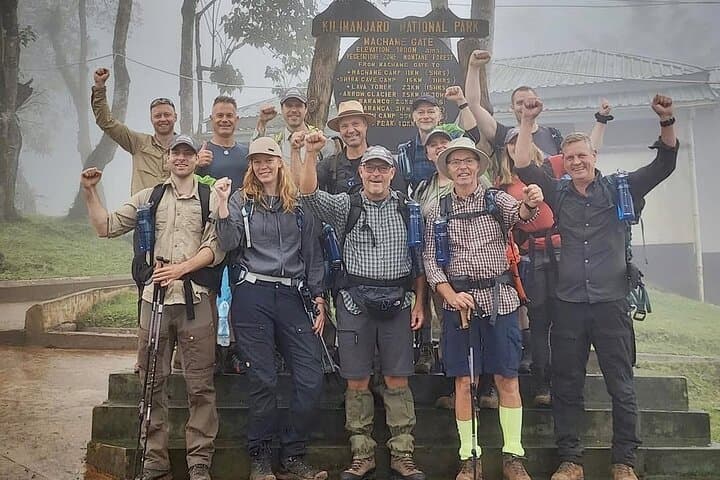
Climbing areas are managed within Kilimanjaro National Park; choose operators who follow porter welfare standards and practice Leave No Trace to protect fragile alpine ecosystems.
Hillborn Organic Coffee operates guided outdoor trips and adventures with an emphasis on safety, stewardship, and memorable experiences.
Dawn on the Machame trail begins under dripping rainforest canopy—moss and lichen slick on roots—then opens into the wide, wind-swept Shira Plateau where the mountain seems to rearrange the sky. Climbers move from warm, humid jungle through heather and moorland into the alpine desert; every camp feels like a small victory against altitude and weather.
Dawn on the Machame trail begins under dripping rainforest canopy—moss and lichen slick on roots—then opens into the wide, wind-swept Shira Plateau where the mountain seems to rearrange the sky. Climbers move from warm, humid jungle through heather and moorland into the alpine desert; every camp feels like a small victory against altitude and weather.
Geologically, Kilimanjaro is a dormant stratovolcano whose three cones (Kibo, Mawenzi, Shira) record millions of volcanic years. The Machame Route climbs the mountain’s southwestern flank, using steep approaches and high traverses to gain altitude more gradually than some routes. Culturally, the climb takes place on Chagga land near Moshi; local guides and porters bring not just logistics but knowledge of mountain rhythms and weather patterns.
Practically, the standard Machame 7-day itinerary covers roughly 55–65 km with total ascent from ~1,600–1,800 m to Uhuru Peak at 5,895 m, so expect significant daily elevation gain and nights in tents. The route’s strength is acclimatization—“trek high, sleep low” sections increase summit odds but demand patience and steady pacing.
Plan for variable conditions: humid forests early, cold nights above 3,000 m, and a demanding midnight summit push on loose volcanic scree. Hydration, layered insulation, and daily pace are decisive; heed your guides and take extra acclimatization days if needed. With proper preparation the Machame Route delivers dramatic landscapes, wildlife glimpses, and the raw satisfaction of standing atop East Africa’s highest peak.