THE ADVENTURE COLLECTIVE® · Independent discovery and booking for outdoor travel

A compact 7-day route from Lima to Cusco that pairs coastal wildlife and desert dunes with high-Andean archaeology. Highlights include the Ballestas Islands, Huacachina, Rainbow Mountain, and a guided visit to Machu Picchu.
A compact 7-day route from Lima to Cusco that pairs coastal wildlife and desert dunes with high-Andean archaeology. Highlights include the Ballestas Islands, Huacachina, Rainbow Mountain, and a guided visit to Machu Picchu.
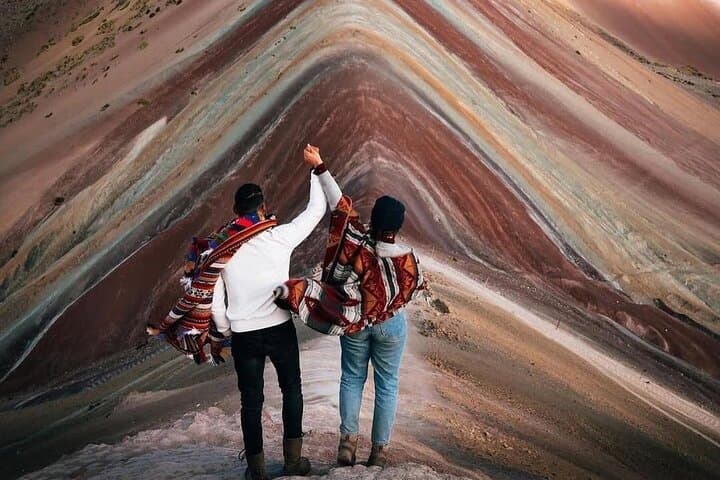
You leave Lima before dawn, the Pacific light thinning as the bus eats up the highway toward Paracas. The Ballestas Islands call with a wake of seabirds and sea lions; later the desert closes around Huacachina and dunes roll like waves daring you to surf them. Days later, altitude steals the rhythm—Cusco’s stone streets, the Sacred Valley’s terraces, and the climb to Rainbow Mountain reveal colors shaped by mineral veins and ice-etched erosion. Finally Machu Picchu arrives: a compact citadel clinging to a spine of cloud-washed granite.
Verified experiences and guided adventures in the surrounding area.
Operated by Machupicchu Holiday · Cusco, Cusco
You leave Lima before dawn, the Pacific light thinning as the bus eats up the highway toward Paracas. The Ballestas Islands call with a wake of seabirds and sea lions; later the desert closes around Huacachina and dunes roll like waves daring you to surf them. Days later, altitude steals the rhythm—Cusco’s stone streets, the Sacred Valley’s terraces, and the climb to Rainbow Mountain reveal colors shaped by mineral veins and ice-etched erosion. Finally Machu Picchu arrives: a compact citadel clinging to a spine of cloud-washed granite.
This route stitches coastal archaeology and desert adventure to high-Andean history. The Ballestas are rich in marine life thanks to the Humboldt Current; Huacachina is a remnant oasis formed by groundwater near Ica. In the Andes, the Incas engineered terraces and aqueducts—Moray and Ollantaytambo show agricultural sophistication, while Machu Picchu demonstrates refined stonework keyed to seismic resilience.
Expect variable terrain: paved city walks, desert sand slopes for boarding, and high-altitude dirt trails with thin air—Rainbow Mountain’s final approach is a 1.5–2 hour ascent at over 5,000 m for many groups. Pace your hydration and acclimatize in Cusco; layers and sun protection matter more than speed. Transport includes buses, a tourist train to Aguas Calientes, and short shuttle rides. Guide briefings cover entry logistics and one-way circuits at Machu Picchu. Bring cash for small vendors, a good pair of boots for rocky paths, and patience for early mornings—the payoff is expansive views and a firsthand look at landscapes shaped by ocean, wind, and ancient engineering.
moderate.
7 days.
Moderate fitness: able to handle several hours of walking at altitude and short hikes of up to 2 hours with elevation gain.
Confirm with the operator before booking; some itineraries include train and transfers but not Machu Picchu entrance—this listing indicates you should verify and may need to secure your ticket separately.
Acclimatize gradually in Cusco, hydrate, avoid alcohol, consider acetazolamide if advised by a doctor, and descend if severe symptoms occur.
Tourist trains usually limit large checked bags; pack an overnight daypack for essentials and check with the operator for size limits on larger luggage transferred by vehicle.
The dry season (June–August) offers the most reliable visibility in the Andes; shoulder months (April–May, September–October) can balance fewer crowds with decent weather.
This route threads Spanish colonial Lima and Inca heartlands; the Sacred Valley preserves pre-Columbian agricultural engineering central to imperial logistics.
High-Andean ecosystems are fragile and erosion-prone; stick to marked trails, avoid single-use plastics, and follow local rules to reduce impact.
Machupicchu Holiday operates guided outdoor trips and adventures with an emphasis on safety, stewardship, and memorable experiences.


You leave Lima before dawn, the Pacific light thinning as the bus eats up the highway toward Paracas. The Ballestas Islands call with a wake of seabirds and sea lions; later the desert closes around Huacachina and dunes roll like waves daring you to surf them. Days later, altitude steals the rhythm—Cusco’s stone streets, the Sacred Valley’s terraces, and the climb to Rainbow Mountain reveal colors shaped by mineral veins and ice-etched erosion. Finally Machu Picchu arrives: a compact citadel clinging to a spine of cloud-washed granite.
You leave Lima before dawn, the Pacific light thinning as the bus eats up the highway toward Paracas. The Ballestas Islands call with a wake of seabirds and sea lions; later the desert closes around Huacachina and dunes roll like waves daring you to surf them. Days later, altitude steals the rhythm—Cusco’s stone streets, the Sacred Valley’s terraces, and the climb to Rainbow Mountain reveal colors shaped by mineral veins and ice-etched erosion. Finally Machu Picchu arrives: a compact citadel clinging to a spine of cloud-washed granite.
This route stitches coastal archaeology and desert adventure to high-Andean history. The Ballestas are rich in marine life thanks to the Humboldt Current; Huacachina is a remnant oasis formed by groundwater near Ica. In the Andes, the Incas engineered terraces and aqueducts—Moray and Ollantaytambo show agricultural sophistication, while Machu Picchu demonstrates refined stonework keyed to seismic resilience.
Expect variable terrain: paved city walks, desert sand slopes for boarding, and high-altitude dirt trails with thin air—Rainbow Mountain’s final approach is a 1.5–2 hour ascent at over 5,000 m for many groups. Pace your hydration and acclimatize in Cusco; layers and sun protection matter more than speed. Transport includes buses, a tourist train to Aguas Calientes, and short shuttle rides. Guide briefings cover entry logistics and one-way circuits at Machu Picchu. Bring cash for small vendors, a good pair of boots for rocky paths, and patience for early mornings—the payoff is expansive views and a firsthand look at landscapes shaped by ocean, wind, and ancient engineering.