THE ADVENTURE COLLECTIVE® · Independent discovery and booking for outdoor travel

A compact 7-day itinerary that takes you from Lima’s coast through Ica’s desert to the Andean highlands of Cusco and Machu Picchu. Expect coastal wildlife, dune buggies, Inca terraces, and high-altitude hikes with local flights included.
A compact 7-day itinerary that takes you from Lima’s coast through Ica’s desert to the Andean highlands of Cusco and Machu Picchu. Expect coastal wildlife, dune buggies, Inca terraces, and high-altitude hikes with local flights included.
The trip opens with the Pacific wind on Lima’s cliffs and the city’s colonial plaza still warm from the morning sun. Guests move quickly from urban promenades to the gull-swept bay of Paracas where the Ballestas Islands huddle offshore and sea lions string lazily across the rocks. By afternoon the desert dunes of Huacachina rise like golden waves daring you to climb and slide.
Verified experiences and guided adventures in the surrounding area.
Operated by Waman Adventures · Cusco, Cusco Region
The trip opens with the Pacific wind on Lima’s cliffs and the city’s colonial plaza still warm from the morning sun. Guests move quickly from urban promenades to the gull-swept bay of Paracas where the Ballestas Islands huddle offshore and sea lions string lazily across the rocks. By afternoon the desert dunes of Huacachina rise like golden waves daring you to climb and slide.
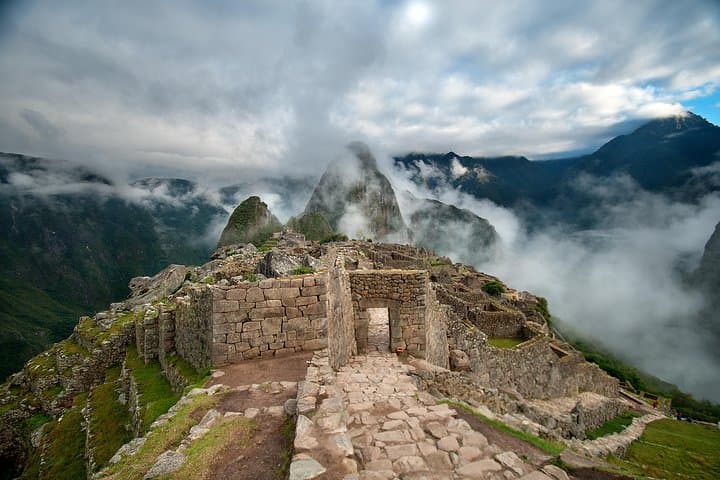
Across the country the Andes assert themselves — Cusco’s narrow streets and Inca stonework press history close. The Sacred Valley spreads in a braided mix of terraces and salt pans, where Moray’s concentric bowls whisper of agricultural experiments and Maras’ salt pools have been harvested since pre-Inca times. Machu Picchu’s stone plazas and carved niches reward an early wake-up: the citadel’s geometry and the surrounding cloud-clad ridges explain why it was both a ritual site and an administrative center.
Geology here shifts from coastal sediment to uplifted volcanic and metamorphic Andes; culture shifts with it, from fishermen and boat crews to highland weavers and Quechua-speaking communities. Expect guided walks through archaeological sectors, a coastal boat ride to see Humboldt penguins, a dune-buggy run in Ica, and a high-altitude trek to Vinicunca (Rainbow Mountain).
Practical guidance: allow at least 24–48 hours to acclimatize in Cusco, drink steady fluids, and carry layers for sharp temperature swings. Footwear should have good tread for dusty dunes and wet, uneven Inca stone. Bring original passport for Machu Picchu entry and modest cash for local vendors. Timing your visit early in the day improves light for photos and reduces afternoon showers in the highlands.
moderate.
7 days.
Suitable for travelers with moderate fitness — must be prepared for short hikes at high altitude and long travel days
Yes — you must present the original passport used to book your Machu Picchu ticket at the citadel entrance.
Plan 24–48 hours of light activity in Cusco (3,350 m) before strenuous hikes; acetazolamide is optional after consulting a doctor.
The itinerary lists round-trip tourist train service and Machu Picchu entrances as included — confirm ticket types and train class before travel.
Trains typically limit luggage to one medium bag and a personal item; oversized bags may need separate handling — pack essentials in a daypack.
This route threads colonial Lima with ancient Inca centers; Cusco was the Inca administrative heart while coastal communities supplied marine resources to pre-Columbian cultures.
Machu Picchu operates with timed tickets and limits to reduce wear on trails; stick to marked paths, avoid single-use plastics, and support local guides and community-run handicraft vendors.
Waman Adventures operates guided outdoor trips and adventures with an emphasis on safety, stewardship, and memorable experiences.
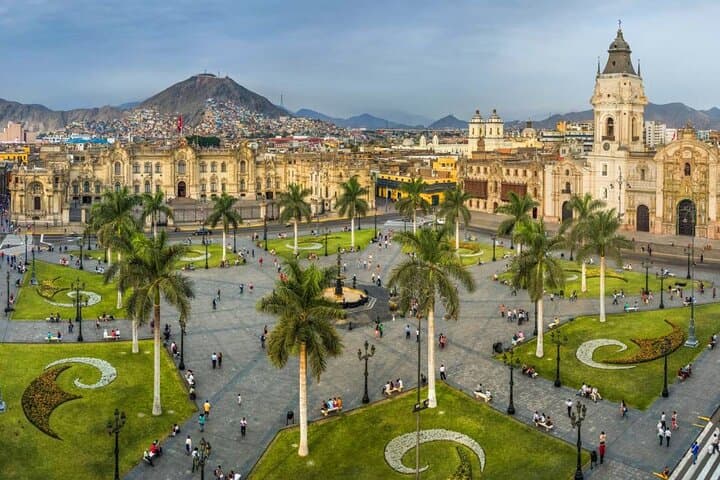
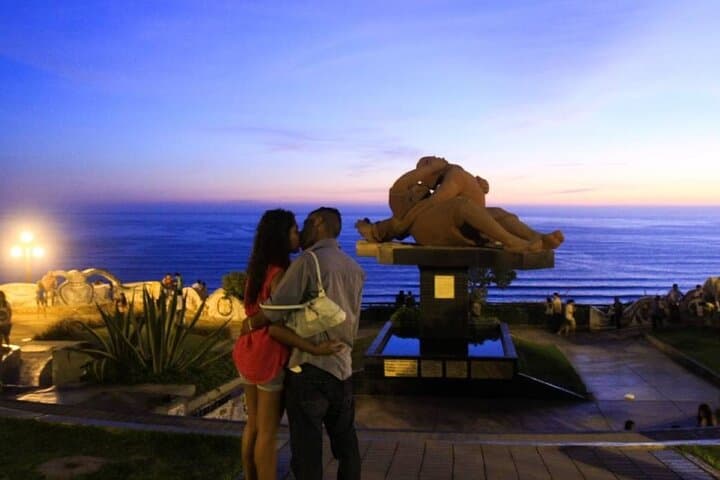
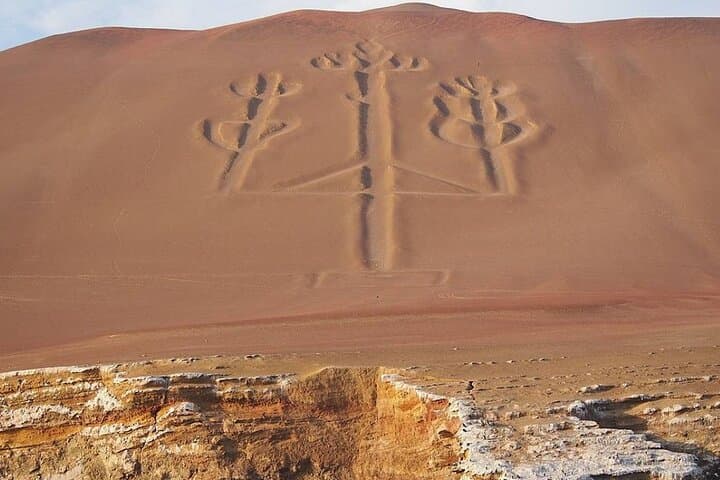
The trip opens with the Pacific wind on Lima’s cliffs and the city’s colonial plaza still warm from the morning sun. Guests move quickly from urban promenades to the gull-swept bay of Paracas where the Ballestas Islands huddle offshore and sea lions string lazily across the rocks. By afternoon the desert dunes of Huacachina rise like golden waves daring you to climb and slide.
The trip opens with the Pacific wind on Lima’s cliffs and the city’s colonial plaza still warm from the morning sun. Guests move quickly from urban promenades to the gull-swept bay of Paracas where the Ballestas Islands huddle offshore and sea lions string lazily across the rocks. By afternoon the desert dunes of Huacachina rise like golden waves daring you to climb and slide.
Across the country the Andes assert themselves — Cusco’s narrow streets and Inca stonework press history close. The Sacred Valley spreads in a braided mix of terraces and salt pans, where Moray’s concentric bowls whisper of agricultural experiments and Maras’ salt pools have been harvested since pre-Inca times. Machu Picchu’s stone plazas and carved niches reward an early wake-up: the citadel’s geometry and the surrounding cloud-clad ridges explain why it was both a ritual site and an administrative center.
Geology here shifts from coastal sediment to uplifted volcanic and metamorphic Andes; culture shifts with it, from fishermen and boat crews to highland weavers and Quechua-speaking communities. Expect guided walks through archaeological sectors, a coastal boat ride to see Humboldt penguins, a dune-buggy run in Ica, and a high-altitude trek to Vinicunca (Rainbow Mountain).
Practical guidance: allow at least 24–48 hours to acclimatize in Cusco, drink steady fluids, and carry layers for sharp temperature swings. Footwear should have good tread for dusty dunes and wet, uneven Inca stone. Bring original passport for Machu Picchu entry and modest cash for local vendors. Timing your visit early in the day improves light for photos and reduces afternoon showers in the highlands.