THE ADVENTURE COLLECTIVE® · Independent discovery and booking for outdoor travel

Cross Peru’s coastal deserts, Andean highlands and world-famous Inca citadel in seven compact days. From ballestas wildlife to Rainbow Mountain’s mineral bands, this tour mixes pale colors, deep history, and high-altitude trekking.
Cross Peru’s coastal deserts, Andean highlands and world-famous Inca citadel in seven compact days. From ballestas wildlife to Rainbow Mountain’s mineral bands, this tour mixes pale colors, deep history, and high-altitude trekking.
You step off the bus into thin, clear air—the Andes pressing close, the valley below a patchwork of terraces and stone. In seven days you move from Pacific fog in Lima to desert oases in Ica, then climb through highland towns to Cusco and the citadel of Machu Picchu before the bright streaks of Vinicunca (Rainbow Mountain) unfurl at the trailhead.
Verified experiences and guided adventures in the surrounding area.
Operated by Machupicchu Holiday · Cusco, Cusco
You step off the bus into thin, clear air—the Andes pressing close, the valley below a patchwork of terraces and stone. In seven days you move from Pacific fog in Lima to desert oases in Ica, then climb through highland towns to Cusco and the citadel of Machu Picchu before the bright streaks of Vinicunca (Rainbow Mountain) unfurl at the trailhead.
This itinerary threads Peruvian history and geology together: Lima’s colonial core sits on pre-Columbian adobe and coastal cliffs; Paracas and the Ballestas expose marine fossils and the Candelabro geoglyph; the Sacred Valley follows an Inca-engineered riverine corridor carved into volcanic and sedimentary strata. Cusco’s stonework—Sacsayhuamán, Qoricancha—shows Inca masonry fitted to seismic landscapes. Rainbow Mountain’s colors come from mineral strata (iron, copper, and sulfur) uplifted by Andean orogeny and weathered into bands of ochre and teal.
Culturally, expect Quechua-speaking communities, market stalls with alpaca textiles, and highland cuisine—corn, potatoes, and mutton stews—served with altitude-aware portions.
Practical edge: acclimatize in Cusco for at least 24–48 hours before high-altitude hikes, carry layers and sunscreen, and allow for early starts and long transfers between sites. Guided entry times for Machu Picchu are fixed—bring ID and printed/phone tickets. Expect dusty trails, steep switchbacks, and long bus/train segments; hydration and pacing are your best tools. This trip balances iconic archaeology with high-altitude trekking, so plan gear and rest days accordingly.
challenging.
7 days.
Good cardiovascular fitness and basic hiking endurance are recommended due to long transfers, stairs and high-altitude walks.
Yes—plan 24–48 hours in Cusco to acclimatize, avoid heavy exercise on arrival day, and stay hydrated to lower altitude sickness risk.
The itinerary includes entrance fees to Machu Picchu; you must carry the same ID used to purchase tickets and arrive for the assigned entry time.
The hike is a moderate to strenuous uphill walk of about 2–3 hours each way at elevations above 4,800 m; shortness of breath and slower pace are normal—take breaks.
Expect large seabird colonies—pelicans, cormorants—plus sea lions and occasionally Humboldt penguins on rocky islets.
Machupicchu Holiday operates guided outdoor trips and adventures with an emphasis on safety, stewardship, and memorable experiences.
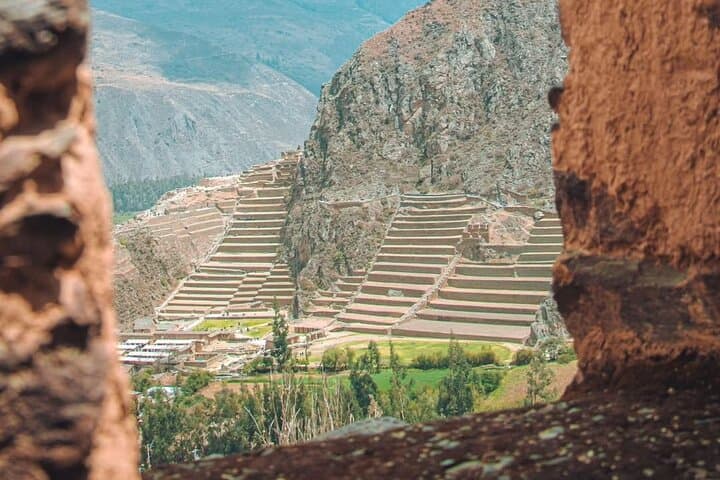

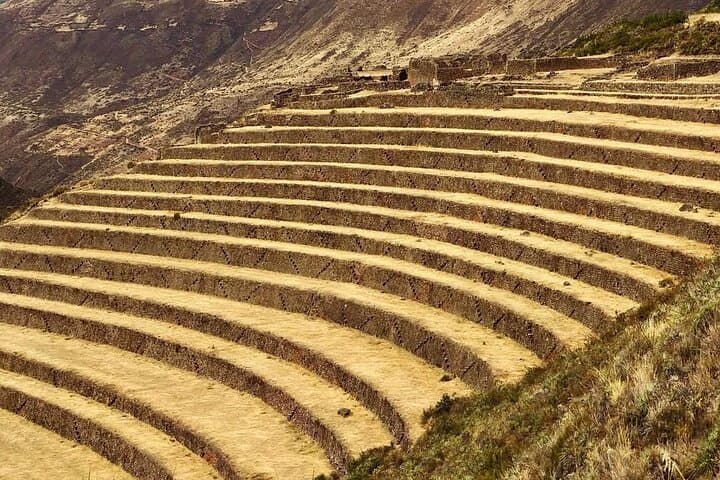
You step off the bus into thin, clear air—the Andes pressing close, the valley below a patchwork of terraces and stone. In seven days you move from Pacific fog in Lima to desert oases in Ica, then climb through highland towns to Cusco and the citadel of Machu Picchu before the bright streaks of Vinicunca (Rainbow Mountain) unfurl at the trailhead.
You step off the bus into thin, clear air—the Andes pressing close, the valley below a patchwork of terraces and stone. In seven days you move from Pacific fog in Lima to desert oases in Ica, then climb through highland towns to Cusco and the citadel of Machu Picchu before the bright streaks of Vinicunca (Rainbow Mountain) unfurl at the trailhead.
This itinerary threads Peruvian history and geology together: Lima’s colonial core sits on pre-Columbian adobe and coastal cliffs; Paracas and the Ballestas expose marine fossils and the Candelabro geoglyph; the Sacred Valley follows an Inca-engineered riverine corridor carved into volcanic and sedimentary strata. Cusco’s stonework—Sacsayhuamán, Qoricancha—shows Inca masonry fitted to seismic landscapes. Rainbow Mountain’s colors come from mineral strata (iron, copper, and sulfur) uplifted by Andean orogeny and weathered into bands of ochre and teal.
Culturally, expect Quechua-speaking communities, market stalls with alpaca textiles, and highland cuisine—corn, potatoes, and mutton stews—served with altitude-aware portions.
Practical edge: acclimatize in Cusco for at least 24–48 hours before high-altitude hikes, carry layers and sunscreen, and allow for early starts and long transfers between sites. Guided entry times for Machu Picchu are fixed—bring ID and printed/phone tickets. Expect dusty trails, steep switchbacks, and long bus/train segments; hydration and pacing are your best tools. This trip balances iconic archaeology with high-altitude trekking, so plan gear and rest days accordingly.