THE ADVENTURE COLLECTIVE® · Independent discovery and booking for outdoor travel

A seven-day itinerary over the quieter Lemosho Route that emphasizes acclimatization and scenery while taking climbers from rainforest to Uhuru Peak. Expect full days, varied terrain, and a serious high-altitude push.
A seven-day itinerary over the quieter Lemosho Route that emphasizes acclimatization and scenery while taking climbers from rainforest to Uhuru Peak. Expect full days, varied terrain, and a serious high-altitude push.
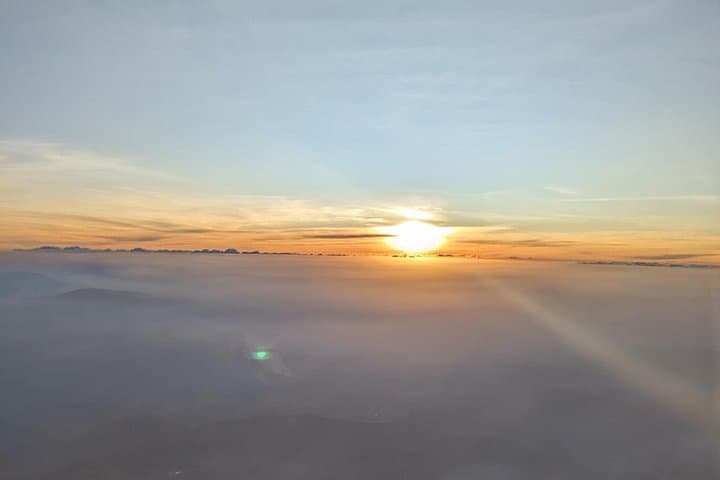
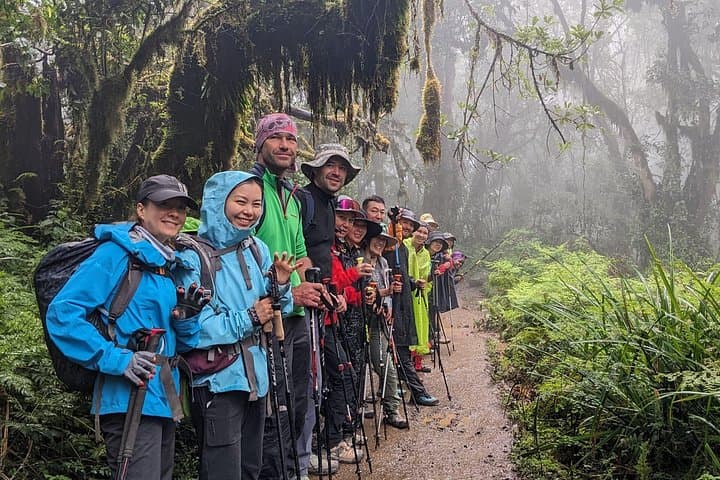
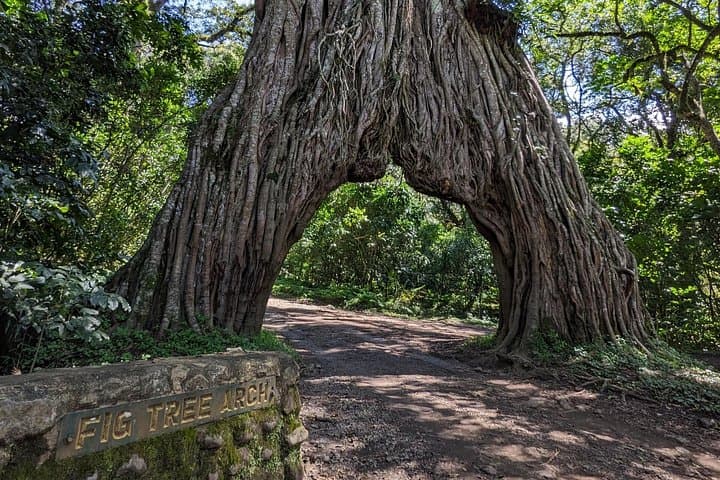
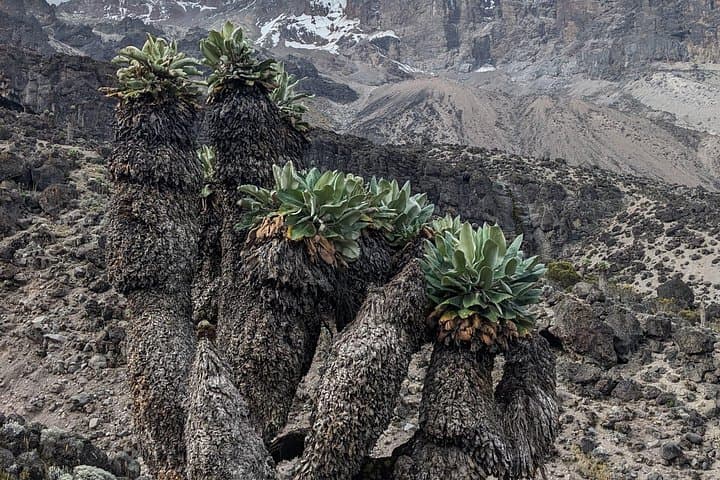
Dawn breaks in a wet rainforest and the Lemosho trail wakes: porters fold tents, guides check ropes, and the path threads upward through dripping moss and ferns. Over seven days the landscape reorganizes itself — rainforest gives way to heath and moorland, then a stark alpine desert, and finally the knife-edge of the summit ridge. Clouds press and pull around you, while the mountain’s ancient rock stands immovable beneath your boots.
Verified experiences and guided adventures in the surrounding area.
Operated by Suricata Safaris · Arusha, Arusha Region
Dawn breaks in a wet rainforest and the Lemosho trail wakes: porters fold tents, guides check ropes, and the path threads upward through dripping moss and ferns. Over seven days the landscape reorganizes itself — rainforest gives way to heath and moorland, then a stark alpine desert, and finally the knife-edge of the summit ridge. Clouds press and pull around you, while the mountain’s ancient rock stands immovable beneath your boots.
Kilimanjaro is a stratovolcano built from successive lava flows, with its highest point, Uhuru Peak, at 5,895 m. The western Lemosho approach was developed to spread climbers across less-traveled slopes and improves acclimatization by lengthening the itinerary. The Chagga people have long lived on Kilimanjaro’s lower slopes; local guides and porters bring practical know-how and cultural knowledge to each day’s walk.
Expect full-day hikes between camps, altitude as the primary challenge, and variable weather from hot valley sun to sub-zero summit winds. Key waypoints include Shira Plateau, Lava Tower (acclimatization stop), Barranco Wall and the Barafu high camp before a pre-dawn summit push.
Practical guidance: maintain a slow, steady pace, drink frequently, and lean on your guide for altitude decisions. Pack layered insulation, a warm sleeping system, and reliable footwear with ankle support. Allow for contingency days in case of weather or acclimatization delays and budget for tips to porters and guides who make summit attempts possible.
challenging.
7 days.
Good aerobic fitness with experience hiking multi-day mountain routes; ability to carry a 6–12 kg daypack is helpful.
Success varies with fitness, acclimatization and weather; Lemosho’s extra acclimatization days often produce higher summit rates than shorter routes, though no guarantee exists.
No technical climbing skills are required, but experience with multi-day high-altitude trekking and solid cardiovascular fitness strongly improve comfort and chances of success.
This itinerary includes a certified guide and typically porters arranged by the operator; tipping porters and guides is customary and not included in the base price.
The clearest windows are January–March and June–October; avoid the long rains (March–May) and the short rains (November–December) if possible.
Kilimanjaro’s slopes support the Chagga community whose agriculture and cattle-keeping have shaped the lower montane landscape for centuries; European exploration increased in the late 19th century.
Kilimanjaro National Park regulates access and limits campsite impacts; support local operators who use porter welfare codes and minimize single-use plastics.
Suricata Safaris operates guided outdoor trips and adventures with an emphasis on safety, stewardship, and memorable experiences.
Dawn breaks in a wet rainforest and the Lemosho trail wakes: porters fold tents, guides check ropes, and the path threads upward through dripping moss and ferns. Over seven days the landscape reorganizes itself — rainforest gives way to heath and moorland, then a stark alpine desert, and finally the knife-edge of the summit ridge. Clouds press and pull around you, while the mountain’s ancient rock stands immovable beneath your boots.
Dawn breaks in a wet rainforest and the Lemosho trail wakes: porters fold tents, guides check ropes, and the path threads upward through dripping moss and ferns. Over seven days the landscape reorganizes itself — rainforest gives way to heath and moorland, then a stark alpine desert, and finally the knife-edge of the summit ridge. Clouds press and pull around you, while the mountain’s ancient rock stands immovable beneath your boots.
Kilimanjaro is a stratovolcano built from successive lava flows, with its highest point, Uhuru Peak, at 5,895 m. The western Lemosho approach was developed to spread climbers across less-traveled slopes and improves acclimatization by lengthening the itinerary. The Chagga people have long lived on Kilimanjaro’s lower slopes; local guides and porters bring practical know-how and cultural knowledge to each day’s walk.
Expect full-day hikes between camps, altitude as the primary challenge, and variable weather from hot valley sun to sub-zero summit winds. Key waypoints include Shira Plateau, Lava Tower (acclimatization stop), Barranco Wall and the Barafu high camp before a pre-dawn summit push.
Practical guidance: maintain a slow, steady pace, drink frequently, and lean on your guide for altitude decisions. Pack layered insulation, a warm sleeping system, and reliable footwear with ankle support. Allow for contingency days in case of weather or acclimatization delays and budget for tips to porters and guides who make summit attempts possible.