THE ADVENTURE COLLECTIVE® · Independent discovery and booking for outdoor travel

A seven-day private ascent of Kilimanjaro via the Lemosho Route, starting in remote western rainforest and finishing at Uhuru Peak. Quieter than other routes, it emphasizes acclimatization and panoramic approaches to the summit.
A seven-day private ascent of Kilimanjaro via the Lemosho Route, starting in remote western rainforest and finishing at Uhuru Peak. Quieter than other routes, it emphasizes acclimatization and panoramic approaches to the summit.
Dawn leaves Moshi as a smeared wash of orange, and by the time the team drops you at Lemosho Gate the forest seems to hold its breath. The trail starts under a green cathedral of moss and giant lobelias, then climbs through heather and volcanic scree until the jagged rim of Kibo opens like a new horizon. Trees give way to an alpine desert where brittle rocks and wind have the last word.
Verified experiences and guided adventures in the surrounding area.
Operated by Operation Kilimanjaro · Moshi, Kilimanjaro Region
Dawn leaves Moshi as a smeared wash of orange, and by the time the team drops you at Lemosho Gate the forest seems to hold its breath. The trail starts under a green cathedral of moss and giant lobelias, then climbs through heather and volcanic scree until the jagged rim of Kibo opens like a new horizon. Trees give way to an alpine desert where brittle rocks and wind have the last word.
The Lemosho Route approaches Kilimanjaro from the west — a quieter alternative to Machame and Marangu — and traces the mountain’s geological story: ancient lava flows, a high plateau of Shira, and the crescent caldera of Kibo carved by glacial action. Along the lower slopes you’ll pass Chagga farmland and hear stories of local climbing history; Hans Meyer’s 1889 expedition put Kibo on the map, while contemporary Chagga guides supply route knowledge and hospitality.
Practically, this seven-day itinerary follows a “climb high, sleep low” rhythm for acclimatization, adding meaningful summit odds: near 100% to Stella Point and about 97% to Uhuru when guided correctly. Expect long but manageable hiking days (2–8 hours), rocky scree above Barafu, and extreme cold and wind around summit push. Bring layered clothing, a warm sleeping bag, trekking poles to save your knees, and drink constantly to fight altitude. Start early on summit night, pace conservatively, and trust your guides — their local expertise and the porters’ steady work are as much a part of the climb as the mountain itself.
challenging.
7 days.
Good aerobic fitness and ability to hike 4–8 hours per day with a pack; prior multi-day hiking experience helpful
No technical climbing skills are required; the route is non-technical but demands fitness and high-altitude hiking experience.
June–October and December–February are the drier windows with more stable weather and higher summit chances.
Permits and park fees are required by Kilimanjaro National Park and are typically handled by the operator—confirm what’s included at booking.
Guides monitor symptoms, use staged acclimatization, and will descend or arrange evacuation if symptoms worsen; clear communication and early action are essential.
Kilimanjaro has long been part of Chagga territory; European ascents began in the late 19th century while local guides and porters have shaped modern routes.
Kilimanjaro National Park protects alpine and montane ecosystems; follow leave-no-trace principles, use park-sanctioned operators, and avoid single-use plastics to reduce impact.
Operation Kilimanjaro operates guided outdoor trips and adventures with an emphasis on safety, stewardship, and memorable experiences.
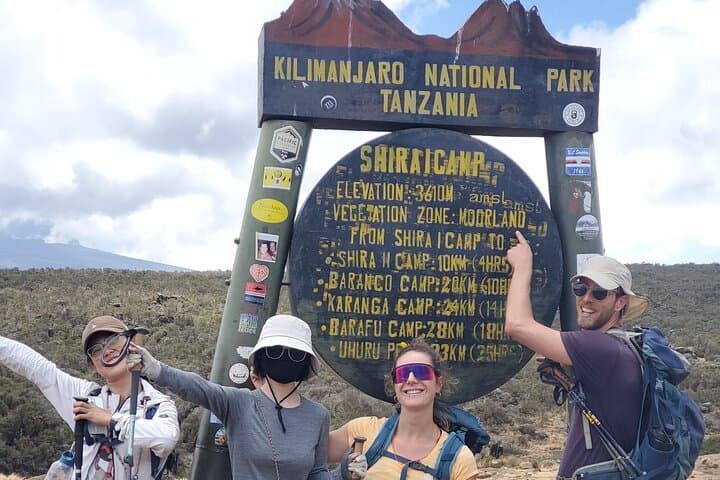
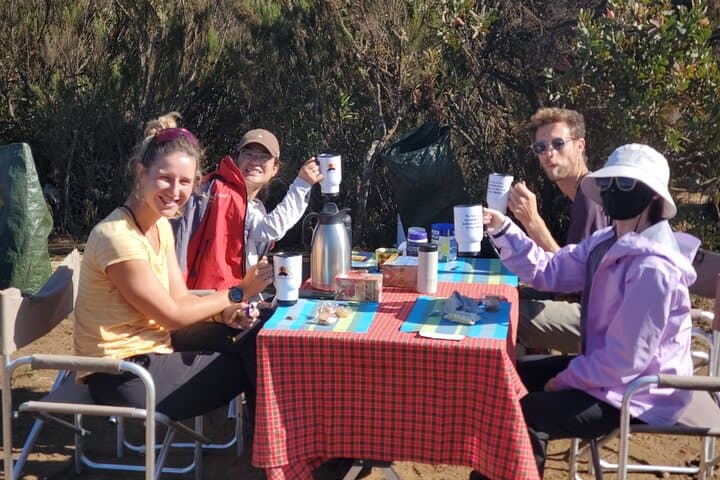
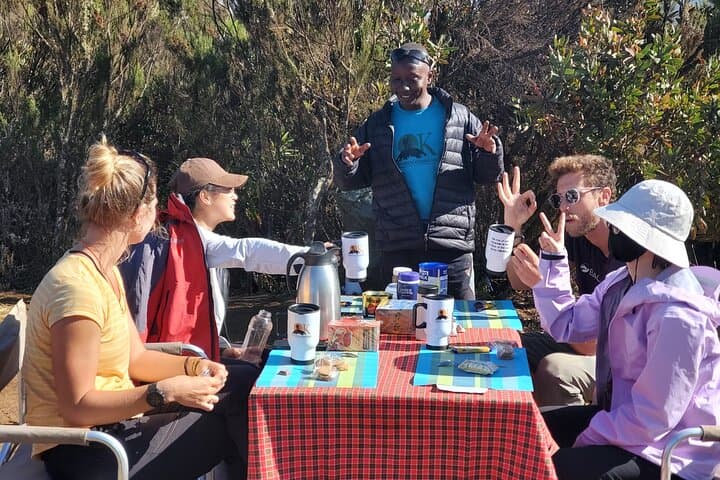
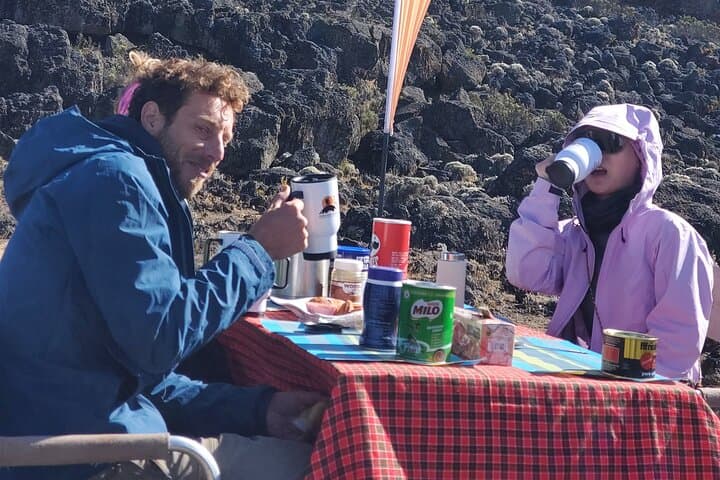
Dawn leaves Moshi as a smeared wash of orange, and by the time the team drops you at Lemosho Gate the forest seems to hold its breath. The trail starts under a green cathedral of moss and giant lobelias, then climbs through heather and volcanic scree until the jagged rim of Kibo opens like a new horizon. Trees give way to an alpine desert where brittle rocks and wind have the last word.
Dawn leaves Moshi as a smeared wash of orange, and by the time the team drops you at Lemosho Gate the forest seems to hold its breath. The trail starts under a green cathedral of moss and giant lobelias, then climbs through heather and volcanic scree until the jagged rim of Kibo opens like a new horizon. Trees give way to an alpine desert where brittle rocks and wind have the last word.
The Lemosho Route approaches Kilimanjaro from the west — a quieter alternative to Machame and Marangu — and traces the mountain’s geological story: ancient lava flows, a high plateau of Shira, and the crescent caldera of Kibo carved by glacial action. Along the lower slopes you’ll pass Chagga farmland and hear stories of local climbing history; Hans Meyer’s 1889 expedition put Kibo on the map, while contemporary Chagga guides supply route knowledge and hospitality.
Practically, this seven-day itinerary follows a “climb high, sleep low” rhythm for acclimatization, adding meaningful summit odds: near 100% to Stella Point and about 97% to Uhuru when guided correctly. Expect long but manageable hiking days (2–8 hours), rocky scree above Barafu, and extreme cold and wind around summit push. Bring layered clothing, a warm sleeping bag, trekking poles to save your knees, and drink constantly to fight altitude. Start early on summit night, pace conservatively, and trust your guides — their local expertise and the porters’ steady work are as much a part of the climb as the mountain itself.