THE ADVENTURE COLLECTIVE® · Independent discovery and booking for outdoor travel

The Lemosho Route is a seven-day, high-success pathway up Mount Kilimanjaro that favors remoteness and acclimatization. This guide outlines what to expect on trail, from terrain and weather to gear and timing.
The Lemosho Route is a seven-day, high-success pathway up Mount Kilimanjaro that favors remoteness and acclimatization. This guide outlines what to expect on trail, from terrain and weather to gear and timing.
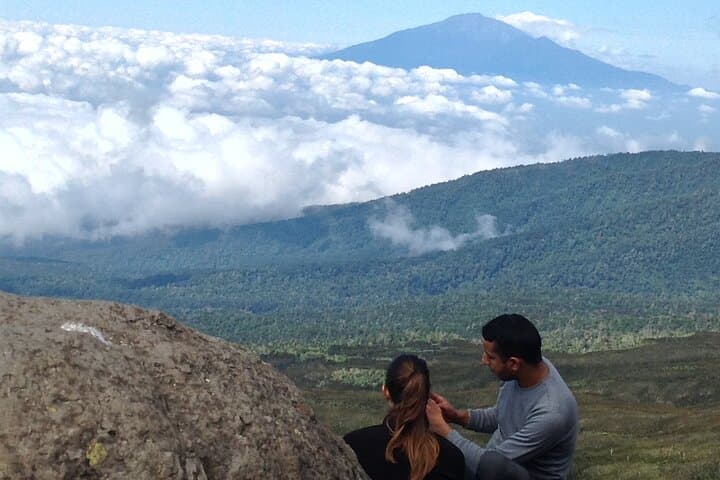
Dawn breaks across a high moor as the Lemosho Route opens like a path drawn through cloud and wild heath. Trekkers set off from Londorossi Gate into rain forest where colobus monkeys call and giant tree roots create natural handholds. The trail climbs through shifting vegetation zones—forest to moorland, then a stark lava desert—each change a reminder that Kilimanjaro is a living volcanic profile.
Verified experiences and guided adventures in the surrounding area.
Operated by Karagwe Tours & Safaris · Moshi, Kilimanjaro Region
Dawn breaks across a high moor as the Lemosho Route opens like a path drawn through cloud and wild heath. Trekkers set off from Londorossi Gate into rain forest where colobus monkeys call and giant tree roots create natural handholds. The trail climbs through shifting vegetation zones—forest to moorland, then a stark lava desert—each change a reminder that Kilimanjaro is a living volcanic profile.
Geologically Kilimanjaro is a three-peaked stratovolcano with Kibo housing the glacier-clad summit and a summit history tied to Pleistocene activity; culturally the mountain sits in the Kilimanjaro Region long inhabited by the Chagga, whose terraced farms frame approaches to the park. The Lemosho Route is prized for remoteness and acclimatization, meeting Machame later on and offering high summit success when paced over seven days.
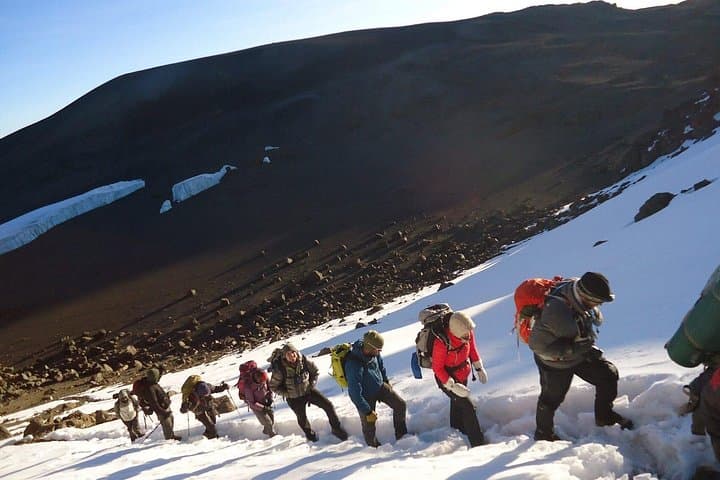
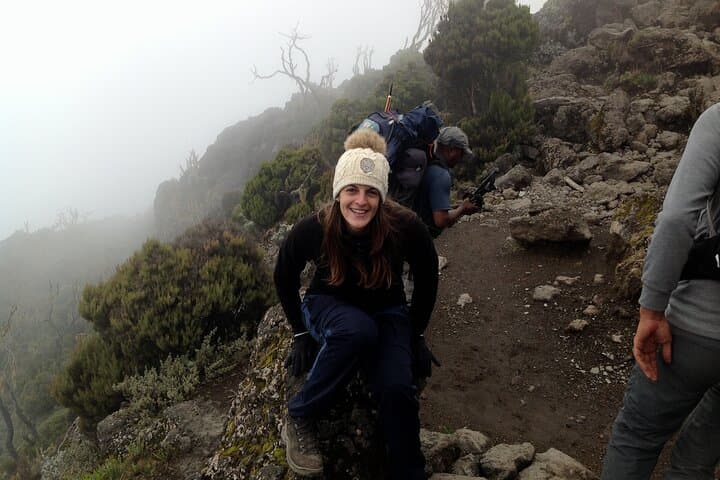
Expect varied terrain: muddy rainforest tracks, peat and heather plateaus, scree fields above Barafu, and exposed ridgelines. Weather shifts quickly—fog, wind, sun and overnight freezes are all part of the rhythm. Guides and porters manage camps and logistics; park fees and permits are required.
Practical guidance: hydrate constantly, walk pole-assisted during long descents, and keep summit-night pacing steady—short, even steps conserve energy at 4,600–5,895 m. Layer clothing for thermal regulation, test gear on moorland days, and plan arrival buffer days in Moshi or Arusha in case of weather. With preparation and respect for altitude, the Lemosho Route is both a technical and deeply rewarding high-mountain experience.
challenging.
7 days.
Requires very good cardiovascular fitness and prior multi-day trekking experience; regular hill training and long hikes recommended.
No technical mountaineering skills are required, but prior multi-day trekking experience and high fitness are strongly recommended due to altitude and length.
Dry-season windows—January–March and June–October—offer more stable weather and clearer summit conditions, though Kilimanjaro weather can still vary.
Tipping is customary; typical pooled amounts range from $100–$200 per climber distributed among guides and porters depending on service and group size.
Acute mountain sickness is common at these elevations; the seven-day itinerary improves acclimatization and reduces risk, but listen to guides and report symptoms early.
Kilimanjaro has cultural significance for the Chagga people and was a landmark for early European explorers; its glaciers are remnants of a long glacial history tied to the mountain's volcanic origins.
Kilimanjaro National Park enforces permits and waste rules; choose operators who follow pack-in/pack-out policies and support local porters through fair wages.
Karagwe Tours & Safaris operates guided outdoor trips and adventures with an emphasis on safety, stewardship, and memorable experiences.

Dawn breaks across a high moor as the Lemosho Route opens like a path drawn through cloud and wild heath. Trekkers set off from Londorossi Gate into rain forest where colobus monkeys call and giant tree roots create natural handholds. The trail climbs through shifting vegetation zones—forest to moorland, then a stark lava desert—each change a reminder that Kilimanjaro is a living volcanic profile.
Dawn breaks across a high moor as the Lemosho Route opens like a path drawn through cloud and wild heath. Trekkers set off from Londorossi Gate into rain forest where colobus monkeys call and giant tree roots create natural handholds. The trail climbs through shifting vegetation zones—forest to moorland, then a stark lava desert—each change a reminder that Kilimanjaro is a living volcanic profile.
Geologically Kilimanjaro is a three-peaked stratovolcano with Kibo housing the glacier-clad summit and a summit history tied to Pleistocene activity; culturally the mountain sits in the Kilimanjaro Region long inhabited by the Chagga, whose terraced farms frame approaches to the park. The Lemosho Route is prized for remoteness and acclimatization, meeting Machame later on and offering high summit success when paced over seven days.
Expect varied terrain: muddy rainforest tracks, peat and heather plateaus, scree fields above Barafu, and exposed ridgelines. Weather shifts quickly—fog, wind, sun and overnight freezes are all part of the rhythm. Guides and porters manage camps and logistics; park fees and permits are required.
Practical guidance: hydrate constantly, walk pole-assisted during long descents, and keep summit-night pacing steady—short, even steps conserve energy at 4,600–5,895 m. Layer clothing for thermal regulation, test gear on moorland days, and plan arrival buffer days in Moshi or Arusha in case of weather. With preparation and respect for altitude, the Lemosho Route is both a technical and deeply rewarding high-mountain experience.