THE ADVENTURE COLLECTIVE® · Independent discovery and booking for outdoor travel

A seven-day Lemosho ascent trades speed for time: more acclimatization, varied terrain from montane forest to the Shira Plateau, and a higher chance of reaching Uhuru Peak. This itinerary blends geology, local culture and practical tips to prepare you for Kilimanjaro’s midnight summit push.
A seven-day Lemosho ascent trades speed for time: more acclimatization, varied terrain from montane forest to the Shira Plateau, and a higher chance of reaching Uhuru Peak. This itinerary blends geology, local culture and practical tips to prepare you for Kilimanjaro’s midnight summit push.
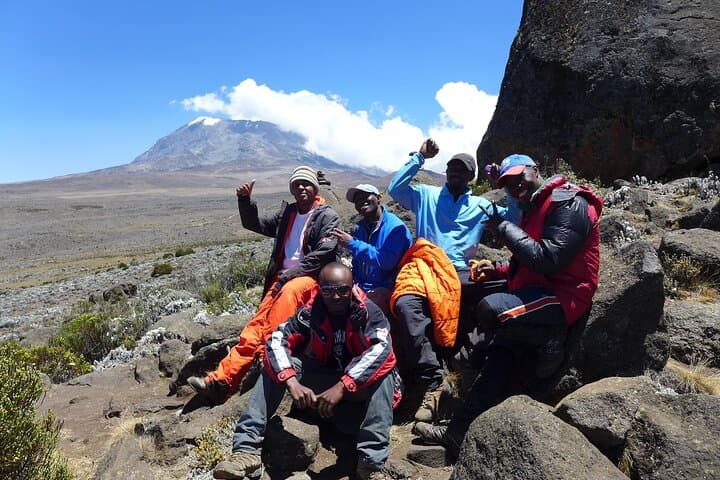
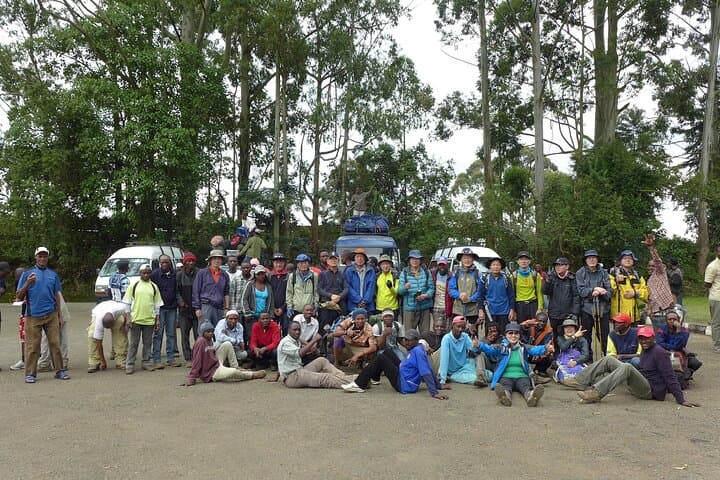
The first dawn arrives over Moshi as your guide double-checks packs and porters stack the food crates into the safari truck. You drive west into a landscape that loosens from sugarcane and farmland into the wild country around Londorosi Gate—acacia and miombo trees watching as you walk away from civilization. The Lemosho Route begins with a slow climb through montane forest, the path soft with leaf litter and the air alive with colobus calls, then opens onto the high, wind-swept Shira Plateau where the peak of Kibo first appears as a glaciated, indifferent mass.
Verified experiences and guided adventures in the surrounding area.
Operated by Transkibo Travels Ltd · Moshi, Kilimanjaro Region
The first dawn arrives over Moshi as your guide double-checks packs and porters stack the food crates into the safari truck. You drive west into a landscape that loosens from sugarcane and farmland into the wild country around Londorosi Gate—acacia and miombo trees watching as you walk away from civilization. The Lemosho Route begins with a slow climb through montane forest, the path soft with leaf litter and the air alive with colobus calls, then opens onto the high, wind-swept Shira Plateau where the peak of Kibo first appears as a glaciated, indifferent mass.
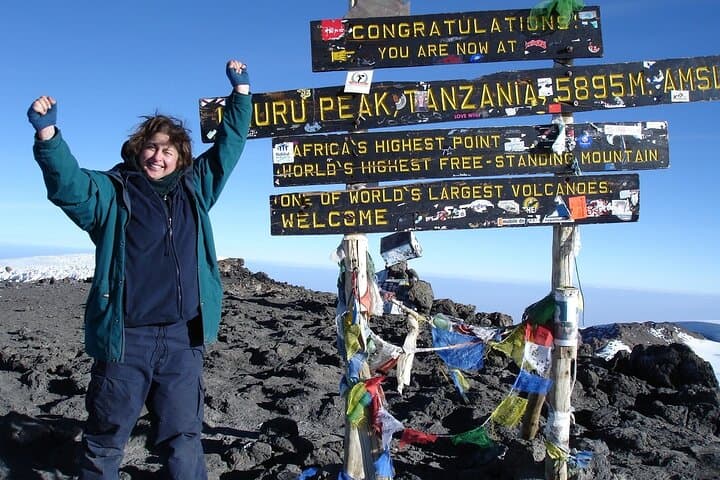
This seven-day itinerary is built around acclimatization. Rather than sprinting for altitude, Lemosho arcs across Kilimanjaro’s western flank, giving you time at Shira, Moir Hut and Lava Tower to let the thin air register. The route threads ancient volcanic geology—lava towers, ash benches and moraines—before you make the classic midnight push from Barafu, crawling through heavy scree to Stella Point and then a final walk along the crater rim to Uhuru Peak (5,895 m), the roof of Africa.
Culturally, the approach road crosses Chagga farmland where irrigation terraces and banana groves tell of generations managing steep slopes. On the mountain, the Shira Plateau is one of the highest plateaus on earth and was carved by Kilimanjaro’s eruptive history; the Lava Tower is a visible remnant of those violent, formative episodes.
Practicalities: you’ll start around 1,828 m at Londorosi Gate and summit at 5,895 m; total ascent is nearly 4,000–4,200 m across seven days. Expect varied terrain—muddy forest trails, tussock moorland, steep ridgelines, loose scree and compacted volcanic ash. Daily trekking times range from 4 to 10 hours depending on the stage. Guides, porters and rescue fees are included; national park fees are covered in the tour price.
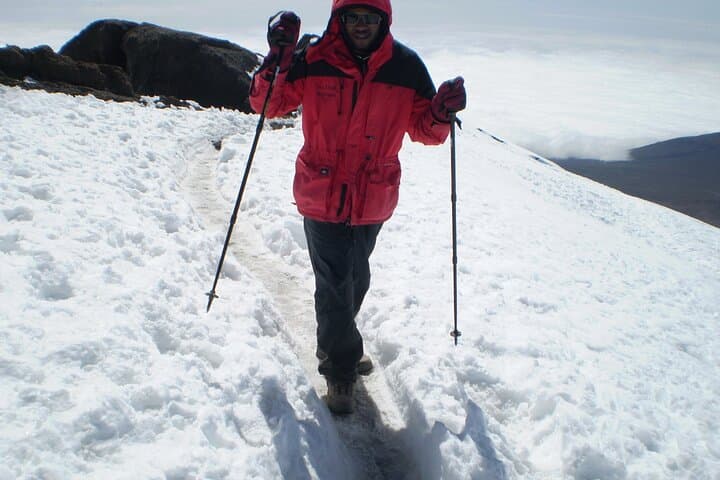
Pacing matters—walk slow, take frequent water breaks, and use poles on steep descents. Bring warm layers for summit night (temperatures can drop well below freezing), gaiters for scree, and a reliable headlamp for the midnight start. If you’re nursing a respiratory or cardiovascular condition, consult a physician; the itinerary isn’t recommended for pregnancy or serious spinal problems.
Logistics: pickups from Moshi or Arusha, hotel transfers, campsite tents and full-board meals are standard. Summit success depends on acclimatization and weather; the seven-day Lemosho balances both so hikers with solid fitness have the best shot at Uhuru. When you descend into Mweka forest on the final day, the mountain lets you go quietly—wet trails, warm air, and the feel of having walked from a Tanzanian village to the top of a continent.
challenging.
7 days.
Suitable for hikers with good cardiovascular fitness and multi-day trekking experience; expect long days and high-altitude exposure.
Summit day is the longest and most demanding: a midnight start, 6–8 hours up to the crater rim through loose scree, and another hour to the summit—expect cold, wind and slow, steady pacing.
Prior experience helps but isn't mandatory; the 7-day Lemosho is designed to maximize acclimatization and improve odds for non-expert trekkers in good fitness.
No mandatory vaccinations for Kilimanjaro itself, but routine travel vaccines and malaria precautions for lower elevations are advised—check with your travel clinic.
Yes—this trip includes certified English-speaking guides, porters, and their salaries, plus park and rescue fees as listed in the trip inclusions.
Overnight stays are in mountain tents at established camps; the final hotel night is typically in Moshi at a garden-style hotel.
Full refund available if you cancel at least 24 hours before departure; the booking page lists the operator’s standard cancellation terms.
The Shira Plateau and Kilimanjaro’s peaks are volcanic remnants from eruptions millions of years ago; the mountain has long been central to Chagga life on its lower slopes.
Kilimanjaro National Park has strict waste and sanitation rules; use operator-provided waste disposal and avoid single-use plastics to reduce impact.
Transkibo Travels Ltd operates guided outdoor trips and adventures with an emphasis on safety, stewardship, and memorable experiences.
The first dawn arrives over Moshi as your guide double-checks packs and porters stack the food crates into the safari truck. You drive west into a landscape that loosens from sugarcane and farmland into the wild country around Londorosi Gate—acacia and miombo trees watching as you walk away from civilization. The Lemosho Route begins with a slow climb through montane forest, the path soft with leaf litter and the air alive with colobus calls, then opens onto the high, wind-swept Shira Plateau where the peak of Kibo first appears as a glaciated, indifferent mass.
The first dawn arrives over Moshi as your guide double-checks packs and porters stack the food crates into the safari truck. You drive west into a landscape that loosens from sugarcane and farmland into the wild country around Londorosi Gate—acacia and miombo trees watching as you walk away from civilization. The Lemosho Route begins with a slow climb through montane forest, the path soft with leaf litter and the air alive with colobus calls, then opens onto the high, wind-swept Shira Plateau where the peak of Kibo first appears as a glaciated, indifferent mass.
This seven-day itinerary is built around acclimatization. Rather than sprinting for altitude, Lemosho arcs across Kilimanjaro’s western flank, giving you time at Shira, Moir Hut and Lava Tower to let the thin air register. The route threads ancient volcanic geology—lava towers, ash benches and moraines—before you make the classic midnight push from Barafu, crawling through heavy scree to Stella Point and then a final walk along the crater rim to Uhuru Peak (5,895 m), the roof of Africa.
Culturally, the approach road crosses Chagga farmland where irrigation terraces and banana groves tell of generations managing steep slopes. On the mountain, the Shira Plateau is one of the highest plateaus on earth and was carved by Kilimanjaro’s eruptive history; the Lava Tower is a visible remnant of those violent, formative episodes.
Practicalities: you’ll start around 1,828 m at Londorosi Gate and summit at 5,895 m; total ascent is nearly 4,000–4,200 m across seven days. Expect varied terrain—muddy forest trails, tussock moorland, steep ridgelines, loose scree and compacted volcanic ash. Daily trekking times range from 4 to 10 hours depending on the stage. Guides, porters and rescue fees are included; national park fees are covered in the tour price.
Pacing matters—walk slow, take frequent water breaks, and use poles on steep descents. Bring warm layers for summit night (temperatures can drop well below freezing), gaiters for scree, and a reliable headlamp for the midnight start. If you’re nursing a respiratory or cardiovascular condition, consult a physician; the itinerary isn’t recommended for pregnancy or serious spinal problems.
Logistics: pickups from Moshi or Arusha, hotel transfers, campsite tents and full-board meals are standard. Summit success depends on acclimatization and weather; the seven-day Lemosho balances both so hikers with solid fitness have the best shot at Uhuru. When you descend into Mweka forest on the final day, the mountain lets you go quietly—wet trails, warm air, and the feel of having walked from a Tanzanian village to the top of a continent.