THE ADVENTURE COLLECTIVE® · Independent discovery and booking for outdoor travel

A seven-day Lemosho climb takes you from rain forest to the icy summit of Kilimanjaro via quieter western trails. This guide explains what to expect each day, how the mountain shifts underfoot, and practical tips to reach Uhuru Peak safely.
A seven-day Lemosho climb takes you from rain forest to the icy summit of Kilimanjaro via quieter western trails. This guide explains what to expect each day, how the mountain shifts underfoot, and practical tips to reach Uhuru Peak safely.
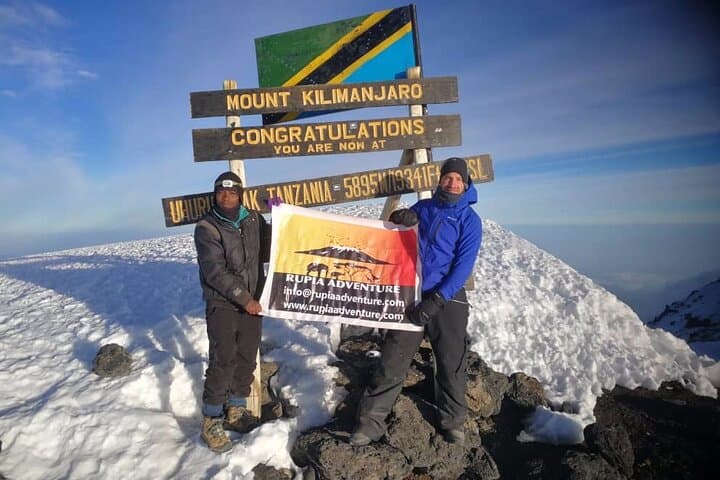
The trail opens in green—an almost tropical forest that clamps around the narrow path and smells of damp earth and moss. You step from the vehicle at Londorossi Gate and the mountain immediately changes the rules: the trees crowd in, the light slants through fern fronds, and porters arrange gear with a brisk efficiency that feels like ritual. Over the next seven days the forest will give way to moorland, then a high desert plateau on Shira, then a knife-like silhouette of Kibo rising with ice on its flanks. By the final night you’ll climb under a moonlit sky, wind pressing at your jacket, to stand at Uhuru Peak—Africa’s roof—while the sunrise trims Mawenzi into sharp relief.
Verified experiences and guided adventures in the surrounding area.
Operated by Rupia Adventure · Arusha, Arusha Region
The trail opens in green—an almost tropical forest that clamps around the narrow path and smells of damp earth and moss. You step from the vehicle at Londorossi Gate and the mountain immediately changes the rules: the trees crowd in, the light slants through fern fronds, and porters arrange gear with a brisk efficiency that feels like ritual. Over the next seven days the forest will give way to moorland, then a high desert plateau on Shira, then a knife-like silhouette of Kibo rising with ice on its flanks. By the final night you’ll climb under a moonlit sky, wind pressing at your jacket, to stand at Uhuru Peak—Africa’s roof—while the sunrise trims Mawenzi into sharp relief.
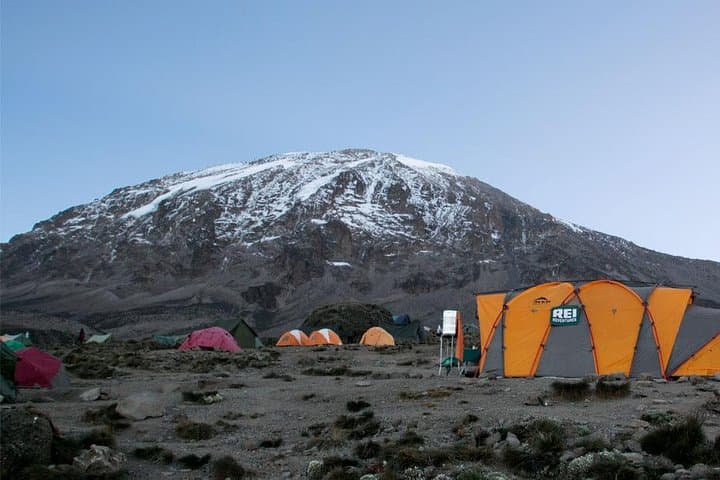
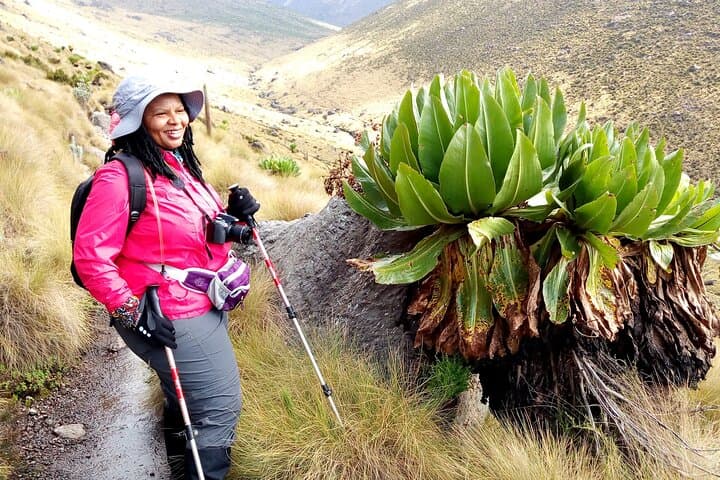
Kilimanjaro is a dormant stratovolcano made of three cones—Shira, Mawenzi and Kibo. Lemosho approaches from the west, threading across older lava flows from Shira and across fragile Afro-alpine moorland where giant lobelia and senecio seem to guard the slopes. The route’s western entry keeps hikers on quieter tracks—Chamber’s Route and the Shira Plateau—that offer richer flora, and better acclimatization than the crowded southern approaches.
The local Chagga and Pare communities have long histories tied to the mountain’s lower slopes, and porters who climb these routes bring traditional knowledge: where to find spring water, how weather moves across the saddle, and where to shelter when afternoon storms announce themselves. Conservation here is active—national park fees fund both trail maintenance and village programs—but the high-altitude zones remain fragile; stick to paths and pack out waste.
Expect varied terrain and daily rhythms: rainforest roots and mud on day one, a full day’s ascent to Shira One with roughly 600–700 m (2,000 ft) of gain, expansive plateau walking on Shira, a long acclimatization day across the Lava Tower and descent into Barranco Valley, then the steep push to Barafu and the midnight summit bid to Uhuru (5,895 m). Typical hiking times range from 3–8 hours per day; the summit night is a cold, slow, 6–10 hour push to Stella Point and Uhuru.
Practical edge: pace matters more than speed—use the ‘‘pole pole’’ (slowly, slowly) approach to reduce altitude effects. Layers save you: daytime on the Shira plateau can be mild while summit night drops well below freezing. Hydrate constantly—aim for 3–4 liters daily—and carry a small personal first-aid kit focused on blister care and altitude symptoms. Book with operators who provide experienced guides and well-treated porters; tip fairly—this trek depends on their skill.
This is mountaineering without technical ropes for the classic route, but it demands respect: acclimatize, sleep early before summit night, and be ready for wind and sudden temperature swings. Reach the top and the view of the African plain unfurling below is expansive, immediate, and earned.
challenging.
7 days.
Good aerobic base and trekking experience at altitude are recommended; be prepared for long days and thin air.
Lemosho is one of the better routes for acclimatization because of its gradual approach and extra nights; it’s still a challenging high-altitude trek requiring good fitness.
No ropes or technical gear are required on the standard Lemosho route, but crampons or microspikes can help if summit snow or ice is present.
Altitude sickness is possible for any summit attempt—symptoms vary; proper pacing, hydration, and following your guide’s advice are the best prevention strategies.
Confirm with your operator; reputable outfits typically include park fees, camping gear, food and guide services, but verify at booking.
January–March and June–October offer more stable weather and clearer summit views, though conditions can change any time of year.
Tipping is customary—budget roughly 10–15% of the trip cost split among guides, cooks and porters; adjust for service and group size.
Kilimanjaro’s peaks are remnants of multiple volcanic cones; Shira is the oldest, Kibo the youngest and highest with persistent glacier ice on its summit ridges.
The mountain is a protected national park; stick to trails, use biodegradable products, and hire licensed operators who follow porter welfare and waste protocols.
Rupia Adventure operates guided outdoor trips and adventures with an emphasis on safety, stewardship, and memorable experiences.
The trail opens in green—an almost tropical forest that clamps around the narrow path and smells of damp earth and moss. You step from the vehicle at Londorossi Gate and the mountain immediately changes the rules: the trees crowd in, the light slants through fern fronds, and porters arrange gear with a brisk efficiency that feels like ritual. Over the next seven days the forest will give way to moorland, then a high desert plateau on Shira, then a knife-like silhouette of Kibo rising with ice on its flanks. By the final night you’ll climb under a moonlit sky, wind pressing at your jacket, to stand at Uhuru Peak—Africa’s roof—while the sunrise trims Mawenzi into sharp relief.
The trail opens in green—an almost tropical forest that clamps around the narrow path and smells of damp earth and moss. You step from the vehicle at Londorossi Gate and the mountain immediately changes the rules: the trees crowd in, the light slants through fern fronds, and porters arrange gear with a brisk efficiency that feels like ritual. Over the next seven days the forest will give way to moorland, then a high desert plateau on Shira, then a knife-like silhouette of Kibo rising with ice on its flanks. By the final night you’ll climb under a moonlit sky, wind pressing at your jacket, to stand at Uhuru Peak—Africa’s roof—while the sunrise trims Mawenzi into sharp relief.
Kilimanjaro is a dormant stratovolcano made of three cones—Shira, Mawenzi and Kibo. Lemosho approaches from the west, threading across older lava flows from Shira and across fragile Afro-alpine moorland where giant lobelia and senecio seem to guard the slopes. The route’s western entry keeps hikers on quieter tracks—Chamber’s Route and the Shira Plateau—that offer richer flora, and better acclimatization than the crowded southern approaches.
The local Chagga and Pare communities have long histories tied to the mountain’s lower slopes, and porters who climb these routes bring traditional knowledge: where to find spring water, how weather moves across the saddle, and where to shelter when afternoon storms announce themselves. Conservation here is active—national park fees fund both trail maintenance and village programs—but the high-altitude zones remain fragile; stick to paths and pack out waste.
Expect varied terrain and daily rhythms: rainforest roots and mud on day one, a full day’s ascent to Shira One with roughly 600–700 m (2,000 ft) of gain, expansive plateau walking on Shira, a long acclimatization day across the Lava Tower and descent into Barranco Valley, then the steep push to Barafu and the midnight summit bid to Uhuru (5,895 m). Typical hiking times range from 3–8 hours per day; the summit night is a cold, slow, 6–10 hour push to Stella Point and Uhuru.
Practical edge: pace matters more than speed—use the ‘‘pole pole’’ (slowly, slowly) approach to reduce altitude effects. Layers save you: daytime on the Shira plateau can be mild while summit night drops well below freezing. Hydrate constantly—aim for 3–4 liters daily—and carry a small personal first-aid kit focused on blister care and altitude symptoms. Book with operators who provide experienced guides and well-treated porters; tip fairly—this trek depends on their skill.
This is mountaineering without technical ropes for the classic route, but it demands respect: acclimatize, sleep early before summit night, and be ready for wind and sudden temperature swings. Reach the top and the view of the African plain unfurling below is expansive, immediate, and earned.