THE ADVENTURE COLLECTIVE® · Independent discovery and booking for outdoor travel

Seven days on the Lemosho Route take you from rainforest to the Roof of Africa. This guide outlines what to expect—terrain, elevation stages, and pragmatic tips for a safe summit bid.
Seven days on the Lemosho Route take you from rainforest to the Roof of Africa. This guide outlines what to expect—terrain, elevation stages, and pragmatic tips for a safe summit bid.
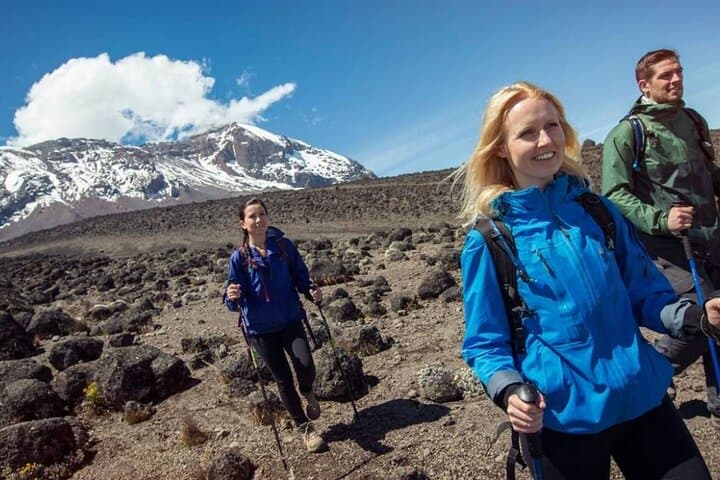
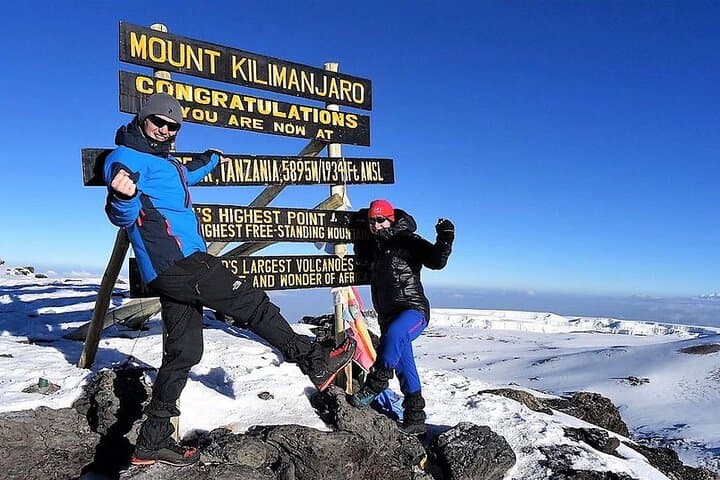
Dawn at Londorossi Gate is a study in motion: porters tighten straps, guides check maps and the Afromontane forest inhales mist while the trail peels away westward. The Lemosho Route eases you from dense, dripping rainforest into a changing world—heath and moorland give way to the broad, windswept Shira Plateau, then the stony high desert before the final, bone-cold push to Uhuru Peak at 19,341 ft.
Verified experiences and guided adventures in the surrounding area.
Operated by Spirit of Kilimanjaro · Moshi, Kilimanjaro Region
Dawn at Londorossi Gate is a study in motion: porters tighten straps, guides check maps and the Afromontane forest inhales mist while the trail peels away westward. The Lemosho Route eases you from dense, dripping rainforest into a changing world—heath and moorland give way to the broad, windswept Shira Plateau, then the stony high desert before the final, bone-cold push to Uhuru Peak at 19,341 ft.
Kilimanjaro is three volcanic cones—Kibo, Mawenzi and the remnant Shira—and the Lemosho approach exposes that geology in stages. You cross six ecological zones in a week: layered soils that feed coffee farms below, giant lobelias on the upper slopes, and finally the arctic-like summit rim. The mountain has long cultural ties to the Chagga people; villages around Moshi supply guides and porters whose mountain knowledge is as crucial as maps.
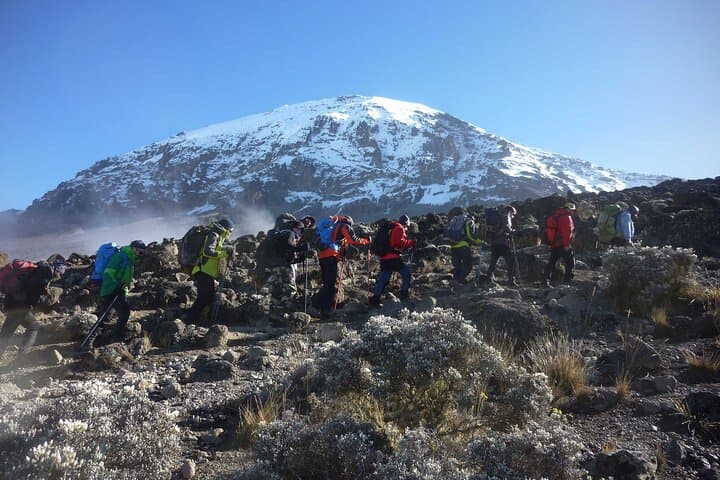
Practically, expect 7 days of trekking with daily stages from 3–7 hours and a marathon midnight summit push from Barafu via Stella Point. Elevation gain is steady—plan for slow, short days to acclimatize, especially the Lava Tower (about 15,223 ft) and Barranco Wall technical scrambling. Weather flips fast: wind and sub-zero temps above 15,000 ft, humid below.
Bring layered clothing, a warm sleeping system and a rhythm of hydration and salt intake. Walk slow on the steep bits, sleep high and hike low where possible, and lean on guides for pacing and altitude checks. If you want sunrise over Mawenzi and the Roof of Africa in good conscience, train, respect altitude, and book a route that prioritizes acclimatization.
challenging.
7 days.
Good cardiovascular fitness and multi-day endurance; regular hill training and long back-to-back days recommended
Lemosho is one of the most scenic and offers excellent acclimatization due to its gradual profile and longer itinerary, but summit difficulty is comparable—altitude is the main challenge.
No technical climbing or rope skills are required; the route is a high-altitude trek, though sections like the Barranco Wall involve scrambling and use of hands.
Most groups succeed when they follow a 7-day schedule with proper acclimatization, fitness preparation and by heeding guides’ altitude decisions—weather and individual response vary.
Park fees are mandatory; confirm with your operator whether fees, rescue insurance and camping permits are included in the booking price.
Kilimanjaro is a dormant stratovolcano formed by volcanic activity; the collapsed Shira segment explains the broad plateau visible from the Lemosho approach.
Tanzania National Park rules limit where you can camp and require strict waste management; choose operators that follow Leave No Trace and proper porter welfare practices.
Spirit of Kilimanjaro operates guided outdoor trips and adventures with an emphasis on safety, stewardship, and memorable experiences.
Dawn at Londorossi Gate is a study in motion: porters tighten straps, guides check maps and the Afromontane forest inhales mist while the trail peels away westward. The Lemosho Route eases you from dense, dripping rainforest into a changing world—heath and moorland give way to the broad, windswept Shira Plateau, then the stony high desert before the final, bone-cold push to Uhuru Peak at 19,341 ft.
Dawn at Londorossi Gate is a study in motion: porters tighten straps, guides check maps and the Afromontane forest inhales mist while the trail peels away westward. The Lemosho Route eases you from dense, dripping rainforest into a changing world—heath and moorland give way to the broad, windswept Shira Plateau, then the stony high desert before the final, bone-cold push to Uhuru Peak at 19,341 ft.
Kilimanjaro is three volcanic cones—Kibo, Mawenzi and the remnant Shira—and the Lemosho approach exposes that geology in stages. You cross six ecological zones in a week: layered soils that feed coffee farms below, giant lobelias on the upper slopes, and finally the arctic-like summit rim. The mountain has long cultural ties to the Chagga people; villages around Moshi supply guides and porters whose mountain knowledge is as crucial as maps.
Practically, expect 7 days of trekking with daily stages from 3–7 hours and a marathon midnight summit push from Barafu via Stella Point. Elevation gain is steady—plan for slow, short days to acclimatize, especially the Lava Tower (about 15,223 ft) and Barranco Wall technical scrambling. Weather flips fast: wind and sub-zero temps above 15,000 ft, humid below.
Bring layered clothing, a warm sleeping system and a rhythm of hydration and salt intake. Walk slow on the steep bits, sleep high and hike low where possible, and lean on guides for pacing and altitude checks. If you want sunrise over Mawenzi and the Roof of Africa in good conscience, train, respect altitude, and book a route that prioritizes acclimatization.