THE ADVENTURE COLLECTIVE® · Independent discovery and booking for outdoor travel

Cover Lebanon’s signature sites in seven days: Beirut, Jeita Grotto, Byblos, Baalbek, the Cedars and more. This organized small-group tour pairs archaeological highlights with mountain scenery and included hotels and transfers.
Cover Lebanon’s signature sites in seven days: Beirut, Jeita Grotto, Byblos, Baalbek, the Cedars and more. This organized small-group tour pairs archaeological highlights with mountain scenery and included hotels and transfers.
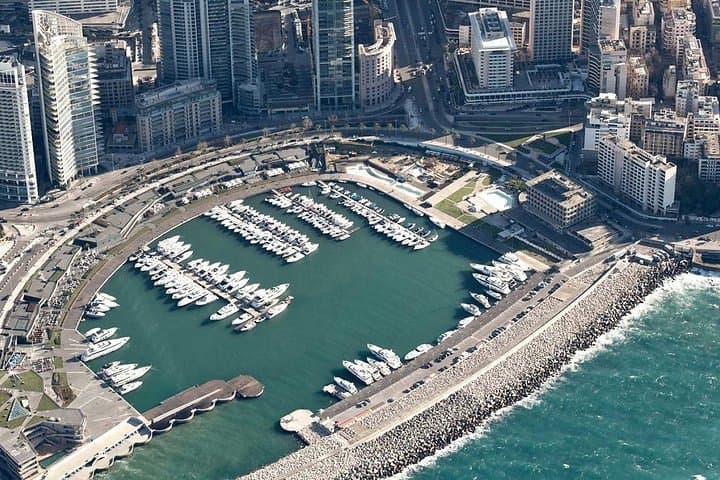
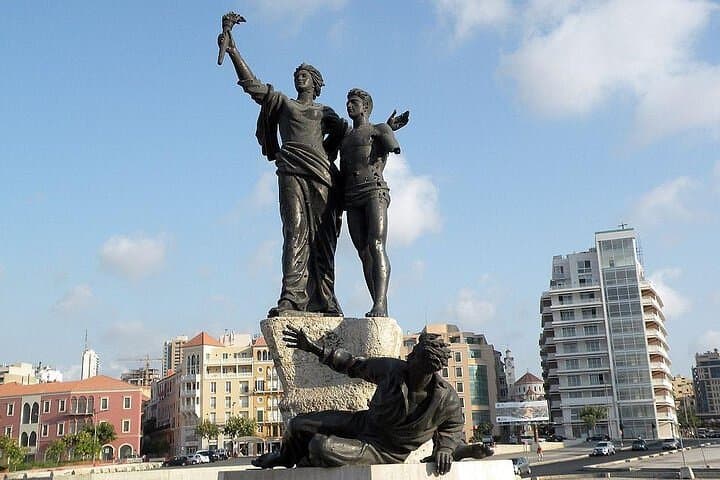
A sunlit morning on the Beirut corniche sets the tone: the Mediterranean pushes a cool breath across palm-lined promenades while a guide briefs the small group and luggage slides into the minivan. Over seven days the itinerary threads coastal cities, mountain monasteries, Roman temples and ancient cedar stands — a compact circuit that turns a country into a single readable map.
Verified experiences and guided adventures in the surrounding area.
Operated by Walking Beirut · Beirut, Beirut Governorate
A sunlit morning on the Beirut corniche sets the tone: the Mediterranean pushes a cool breath across palm-lined promenades while a guide briefs the small group and luggage slides into the minivan. Over seven days the itinerary threads coastal cities, mountain monasteries, Roman temples and ancient cedar stands — a compact circuit that turns a country into a single readable map.
Geology and history come into sharp relief at Jeita Grotto, where limestone has carved chambers and a lower cave lake navigable by boat for roughly 400 m, and in the Beqaa Valley where Baalbek’s Roman temples — including the colossal Temple of Jupiter and the remarkably intact Temple of Bacchus — recall imperial engineering. Byblos and Tyre expose Phoenician maritime culture; the Tyre hippodrome (about 90 x 480 m) hints at spectator life under Rome. In the mountains, the Qadisha Valley’s monastic complexes and the Cedars of God at roughly 1,850 m illustrate Lebanon’s religious and natural heritage.
Travelers should expect steady but gentle days: coach transfers of 1–3 hours between sites, short walks and site visits, a cable car to Harissa and boat access at Jeita. Accommodation is described at 4-star hotels with daily breakfast and five included lunches. Groups are capped at 15, and airport pickup/return is included.
Practical tips: bring sturdy walking shoes for uneven archaeology sites, a layered jacket for mountain elevations, sun protection for coastal days, and a refillable water bottle. Carry local currency for small purchases in souks and allow flexibility — traffic and local ceremonies can alter schedules.
easy.
7 days.
Suitable for travelers in general good health who can manage short walks, stairs and brief uneven terrain.
Yes — round-trip airport transfers are included as described in the itinerary.
The tour is classified as easy: it involves short walks at sites, some stairs and brief uneven surfaces; no technical hiking is required.
Breakfast is included for six mornings and five lunches are provided during day tours; other meals are at your expense.
This is a small-group tour with a maximum of 15 travelers, which keeps the experience personal while allowing for shared transport.
Lebanon’s coast was central to the Phoenicians, who founded ports like Byblos and Tyre; Roman and Umayyad layers later reshaped urban and religious sites across the country.
Many mountain sites, especially the Cedars and Qadisha Valley, are protected; travelers should stick to marked paths, avoid feeding wildlife and minimize plastic use to support ongoing preservation efforts.
Walking Beirut operates guided outdoor trips and adventures with an emphasis on safety, stewardship, and memorable experiences.
A sunlit morning on the Beirut corniche sets the tone: the Mediterranean pushes a cool breath across palm-lined promenades while a guide briefs the small group and luggage slides into the minivan. Over seven days the itinerary threads coastal cities, mountain monasteries, Roman temples and ancient cedar stands — a compact circuit that turns a country into a single readable map.
A sunlit morning on the Beirut corniche sets the tone: the Mediterranean pushes a cool breath across palm-lined promenades while a guide briefs the small group and luggage slides into the minivan. Over seven days the itinerary threads coastal cities, mountain monasteries, Roman temples and ancient cedar stands — a compact circuit that turns a country into a single readable map.
Geology and history come into sharp relief at Jeita Grotto, where limestone has carved chambers and a lower cave lake navigable by boat for roughly 400 m, and in the Beqaa Valley where Baalbek’s Roman temples — including the colossal Temple of Jupiter and the remarkably intact Temple of Bacchus — recall imperial engineering. Byblos and Tyre expose Phoenician maritime culture; the Tyre hippodrome (about 90 x 480 m) hints at spectator life under Rome. In the mountains, the Qadisha Valley’s monastic complexes and the Cedars of God at roughly 1,850 m illustrate Lebanon’s religious and natural heritage.
Travelers should expect steady but gentle days: coach transfers of 1–3 hours between sites, short walks and site visits, a cable car to Harissa and boat access at Jeita. Accommodation is described at 4-star hotels with daily breakfast and five included lunches. Groups are capped at 15, and airport pickup/return is included.
Practical tips: bring sturdy walking shoes for uneven archaeology sites, a layered jacket for mountain elevations, sun protection for coastal days, and a refillable water bottle. Carry local currency for small purchases in souks and allow flexibility — traffic and local ceremonies can alter schedules.