THE ADVENTURE COLLECTIVE® · Independent discovery and booking for outdoor travel

A compact 7-day trek from Syabrubesi to Kyanjin Gompa that balances village culture, alpine vistas, and an optional climb to Tserko Ri. Perfect for trekkers seeking classic Himalayan scenery with teahouse comforts.
A compact 7-day trek from Syabrubesi to Kyanjin Gompa that balances village culture, alpine vistas, and an optional climb to Tserko Ri. Perfect for trekkers seeking classic Himalayan scenery with teahouse comforts.
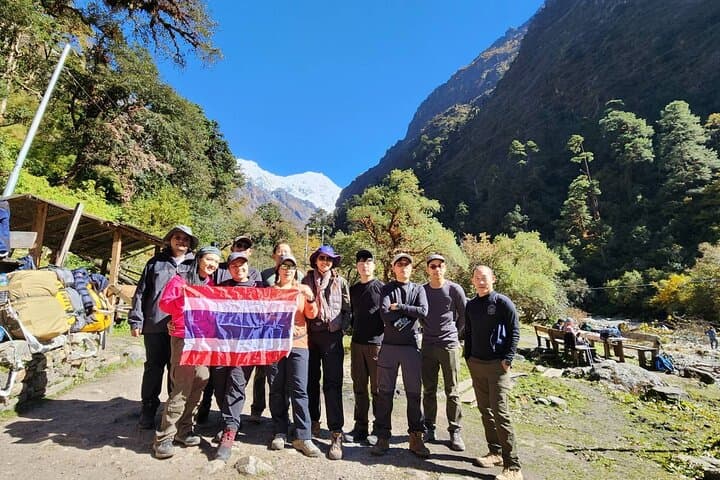
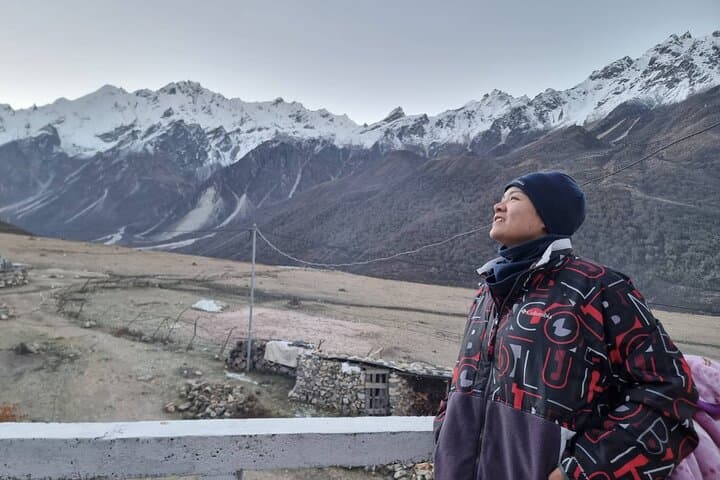
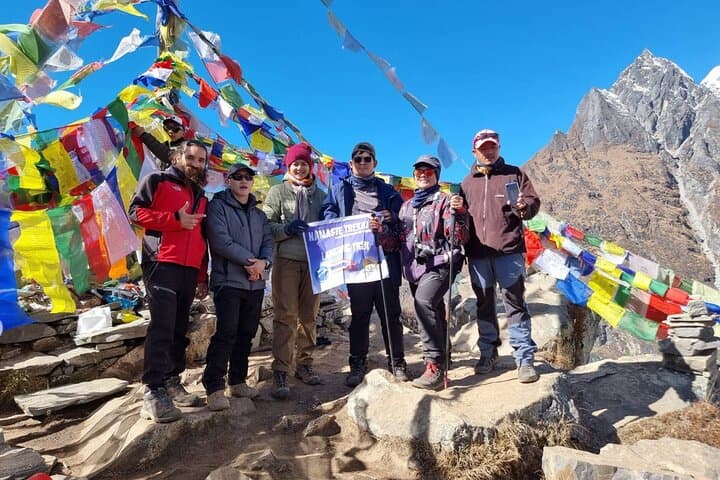
You step off the dusty jeep in Syabrubesi and feel the valley inhale around you: rivers rush with a Himalayan urgency, terraces climb like staircases to the sky, and a bamboo-stiff forest hums with insects. Over seven days the trail pulls you higher through Tamang villages, mossy rhododendron stands, and open alpine bowls until Kyanjin Gompa perches beneath the blocky summit of Langtang Lirung.
Verified experiences and guided adventures in the surrounding area.
Operated by Peak to Peak Tours and Treks Pvt Ltd · Syabrubesi, Bagmati Province
You step off the dusty jeep in Syabrubesi and feel the valley inhale around you: rivers rush with a Himalayan urgency, terraces climb like staircases to the sky, and a bamboo-stiff forest hums with insects. Over seven days the trail pulls you higher through Tamang villages, mossy rhododendron stands, and open alpine bowls until Kyanjin Gompa perches beneath the blocky summit of Langtang Lirung.
Langtang sits north of Kathmandu inside Langtang National Park, a landscape shaped by glacial carving and monsoon-fed rivers. The valley is home to Tamang culture—stoic stone houses, yak herds, cheese-makers—and a recent history marked by the 2015 earthquake that reshaped villages and accelerated community-led rebuilding. Geologically, peaks like Langtang Lirung (over 7,000 m) and Tserko Ri’s ridgelines record active uplift and seasonal snowmelt that feeds steep moraines and small valley glaciers.
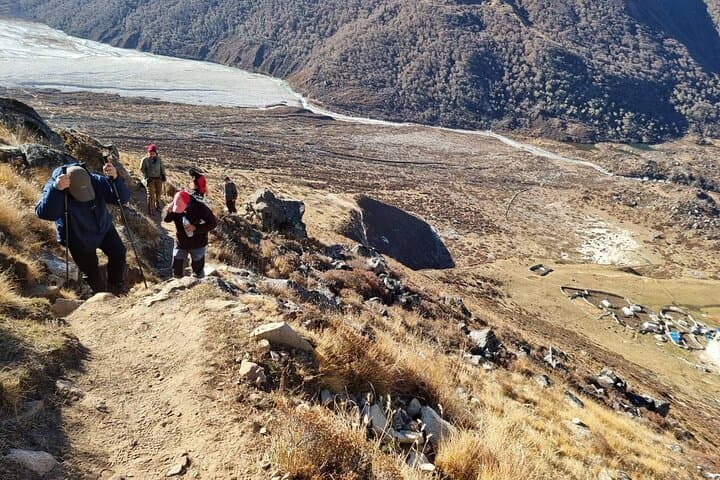
Expect 6–8 hours of walking on most days, with steady climbs through mixed trails, river crossings on footbridges, and rocky alpine switchbacks approaching Kyanjin. Accommodations are teahouse-style with basic facilities; pack layers for cold nights and a headlamp for early starts. Hydrate, ascend deliberately to reduce altitude effects, and carry cash for permits, tips, and tea-house purchases.
Practical rhythms—early starts, midday breaks, and afternoon tea—will set your pace more than maps. The reward is simple: sunrise from Tserko Ri, the glacier’s edge, and the steady company of a valley that pushes you upward and then holds you there, quiet and clear.
moderate.
7 days.
Suitable for hikers with moderate fitness who can handle 6–8 hour walking days and sustained elevation gain; prior multi-day trekking experience helps.
Yes—trekkers require a Langtang National Park permit and a TIMS card; these are typically arranged before or upon arrival in Kathmandu or at checkpoints in Syabrubesi.
Spring (March–May) and autumn (September–November) offer the clearest weather and rhododendron or stable post-monsoon conditions; winter is cold with possible snow, while summer (monsoon) is wetter and slippery.
The Tserko Ri side-trip is a steep day hike requiring about 4–6 hours round-trip from Kyanjin, with short sections of loose scree—good footwear and steady pacing are essential.
Teahouses are basic but functional—shared bathrooms, simple hot meals, and dorm or private rooms; bring a warm sleeping liner and expect limited electricity during peak season.
The valley is traditionally Tamang country and was heavily affected by the 2015 earthquake; many villages have since rebuilt with community-led efforts and conservation in mind.
Langtang lies inside a national park—stick to marked trails, avoid single-use plastics, support local teahouses, and pack out non-biodegradable waste when possible.
Peak to Peak Tours and Treks Pvt Ltd operates guided outdoor trips and adventures with an emphasis on safety, stewardship, and memorable experiences.
You step off the dusty jeep in Syabrubesi and feel the valley inhale around you: rivers rush with a Himalayan urgency, terraces climb like staircases to the sky, and a bamboo-stiff forest hums with insects. Over seven days the trail pulls you higher through Tamang villages, mossy rhododendron stands, and open alpine bowls until Kyanjin Gompa perches beneath the blocky summit of Langtang Lirung.
You step off the dusty jeep in Syabrubesi and feel the valley inhale around you: rivers rush with a Himalayan urgency, terraces climb like staircases to the sky, and a bamboo-stiff forest hums with insects. Over seven days the trail pulls you higher through Tamang villages, mossy rhododendron stands, and open alpine bowls until Kyanjin Gompa perches beneath the blocky summit of Langtang Lirung.
Langtang sits north of Kathmandu inside Langtang National Park, a landscape shaped by glacial carving and monsoon-fed rivers. The valley is home to Tamang culture—stoic stone houses, yak herds, cheese-makers—and a recent history marked by the 2015 earthquake that reshaped villages and accelerated community-led rebuilding. Geologically, peaks like Langtang Lirung (over 7,000 m) and Tserko Ri’s ridgelines record active uplift and seasonal snowmelt that feeds steep moraines and small valley glaciers.
Expect 6–8 hours of walking on most days, with steady climbs through mixed trails, river crossings on footbridges, and rocky alpine switchbacks approaching Kyanjin. Accommodations are teahouse-style with basic facilities; pack layers for cold nights and a headlamp for early starts. Hydrate, ascend deliberately to reduce altitude effects, and carry cash for permits, tips, and tea-house purchases.
Practical rhythms—early starts, midday breaks, and afternoon tea—will set your pace more than maps. The reward is simple: sunrise from Tserko Ri, the glacier’s edge, and the steady company of a valley that pushes you upward and then holds you there, quiet and clear.