THE ADVENTURE COLLECTIVE® · Independent discovery and booking for outdoor travel

A quieter, northerly approach to Africa’s highest peak, the Rongai Route trades crowds for wide vistas and a steady climb. This seven-day itinerary moves from rainforest to lunar saddle, finishing with a midnight summit push to Uhuru Peak.
A quieter, northerly approach to Africa’s highest peak, the Rongai Route trades crowds for wide vistas and a steady climb. This seven-day itinerary moves from rainforest to lunar saddle, finishing with a midnight summit push to Uhuru Peak.
A thin dawn light warms the eucalyptus at Nale Muru Gate and the guides check permits while porters organize gear. You step onto a ridge that looks north toward Kenya and the plain, the trail quickly moving from coffee plantations into forest, then open moorland where Mawenzi’s serrated spires sharpen against the sky.
Verified experiences and guided adventures in the surrounding area.
Operated by MORAKA AFRICA SAFARIS · Moshi, Kilimanjaro Region
A thin dawn light warms the eucalyptus at Nale Muru Gate and the guides check permits while porters organize gear. You step onto a ridge that looks north toward Kenya and the plain, the trail quickly moving from coffee plantations into forest, then open moorland where Mawenzi’s serrated spires sharpen against the sky.
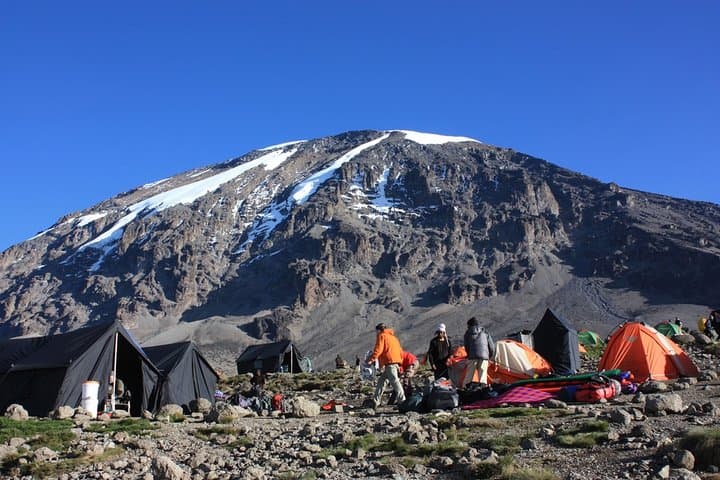
The Rongai approach has a quieter, more northerly feel than the southern routes — it’s historically been used less by caravans and offers clearer views of Kibo’s ice cap. Geologically Kilimanjaro is a triple volcanic massif: Kibo with its icy crater rim at 5,895 m, Mawenzi’s jagged towers, and the older Shira plateau. Local Chagga communities on the lower slopes farm coffee and cultivate terraces; their trails and stories thread through the climb.
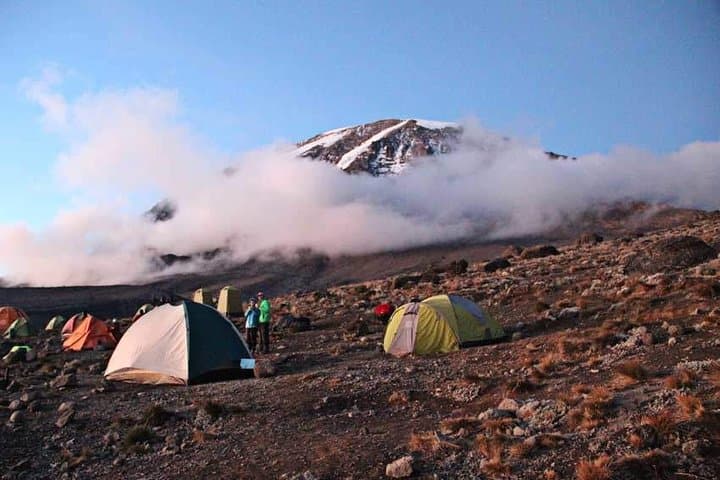
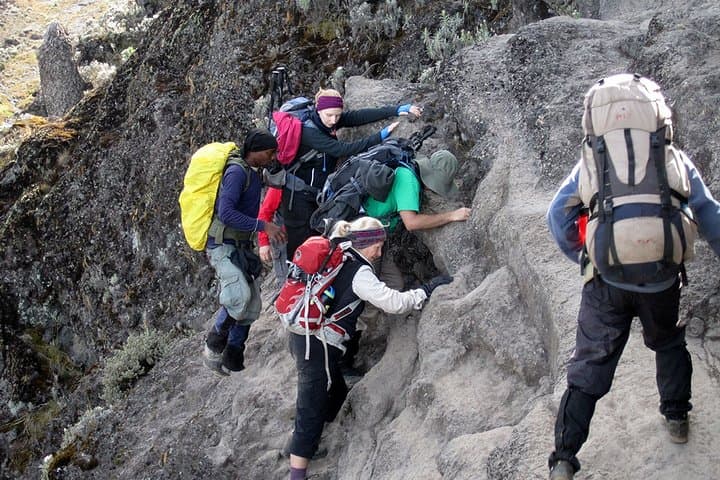
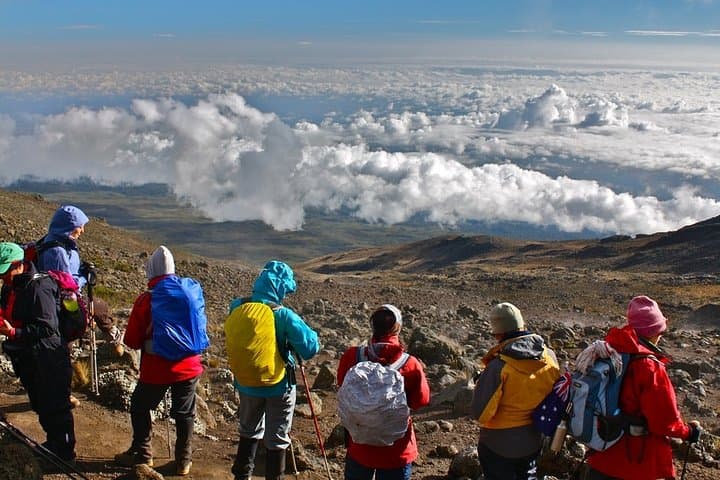
Over seven days you move deliberately: rainforest to moorland to alpine desert. Daily stages range from short 2–5 mile hikes to the summit push (midnight start, 5–7 hours up to Stella Point and Uhuru Peak), with total altitude gain on summit day near 1,800–2,200 m when combined with descent. Expect loose scree near Barafu, icy patches above Stella Point, and significant temperature swings.
Practical edge: prioritize acclimatization (move slow, hydrate, sleep high if possible), use layered clothing, and carry gaiters and poles for scree. Plan nights in Moshi, book permits through the park, and budget a tip for the crew — success on Kilimanjaro is as much logistics and pacing as it is legs and will.
challenging.
7 days.
Good cardiovascular fitness with experience on multi-day hikes and the ability to walk 4–8 hours at altitude; previous trekking experience helpful.
Rongai is generally less steep and less crowded than southern routes, but the altitude and final summit push remain physically demanding; a 7‑day itinerary helps with acclimatization.
No ropes or technical climbing are required—this is high‑altitude trekking rather than mountaineering, but altitude management and good fitness are essential.
Dry-season months (June–October) offer the most stable weather and visibility; November and March–May bring short and long rains respectively.
Kilimanjaro National Park fees and camping permits are required; verify whether the tour price includes them or they’re billed separately by the operator.
Kilimanjaro’s first recorded ascent was in 1889; long inhabited by Chagga agricultural communities, the slopes retain cultural trails and coffee farms.
Kilimanjaro National Park protects fragile alpine ecosystems; melting glaciers and trail erosion are ongoing concerns—practice Leave No Trace and support certified local guides.
MORAKA AFRICA SAFARIS operates guided outdoor trips and adventures with an emphasis on safety, stewardship, and memorable experiences.
A thin dawn light warms the eucalyptus at Nale Muru Gate and the guides check permits while porters organize gear. You step onto a ridge that looks north toward Kenya and the plain, the trail quickly moving from coffee plantations into forest, then open moorland where Mawenzi’s serrated spires sharpen against the sky.
A thin dawn light warms the eucalyptus at Nale Muru Gate and the guides check permits while porters organize gear. You step onto a ridge that looks north toward Kenya and the plain, the trail quickly moving from coffee plantations into forest, then open moorland where Mawenzi’s serrated spires sharpen against the sky.
The Rongai approach has a quieter, more northerly feel than the southern routes — it’s historically been used less by caravans and offers clearer views of Kibo’s ice cap. Geologically Kilimanjaro is a triple volcanic massif: Kibo with its icy crater rim at 5,895 m, Mawenzi’s jagged towers, and the older Shira plateau. Local Chagga communities on the lower slopes farm coffee and cultivate terraces; their trails and stories thread through the climb.
Over seven days you move deliberately: rainforest to moorland to alpine desert. Daily stages range from short 2–5 mile hikes to the summit push (midnight start, 5–7 hours up to Stella Point and Uhuru Peak), with total altitude gain on summit day near 1,800–2,200 m when combined with descent. Expect loose scree near Barafu, icy patches above Stella Point, and significant temperature swings.
Practical edge: prioritize acclimatization (move slow, hydrate, sleep high if possible), use layered clothing, and carry gaiters and poles for scree. Plan nights in Moshi, book permits through the park, and budget a tip for the crew — success on Kilimanjaro is as much logistics and pacing as it is legs and will.