THE ADVENTURE COLLECTIVE® · Independent discovery and booking for outdoor travel

Trek the quieter Rongai Route to Kilimanjaro’s Uhuru Peak over seven days, crossing six ecological zones from rainforest to arctic summit. This practical guide explains terrain, acclimatization strategy, and what to pack for a successful climb.
Trek the quieter Rongai Route to Kilimanjaro’s Uhuru Peak over seven days, crossing six ecological zones from rainforest to arctic summit. This practical guide explains terrain, acclimatization strategy, and what to pack for a successful climb.
The night air on the lower slopes smells of wet earth and roasting maize as porters fold tents by headlamp. You step from Moshi into green farmland, then into the rainforest where the trail narrows and the mountain first makes its presence known—massive, indifferent, and changing with every ecological band you cross.
Verified experiences and guided adventures in the surrounding area.
Operated by Spirit of Kilimanjaro · Moshi, Kilimanjaro Region
The night air on the lower slopes smells of wet earth and roasting maize as porters fold tents by headlamp. You step from Moshi into green farmland, then into the rainforest where the trail narrows and the mountain first makes its presence known—massive, indifferent, and changing with every ecological band you cross.
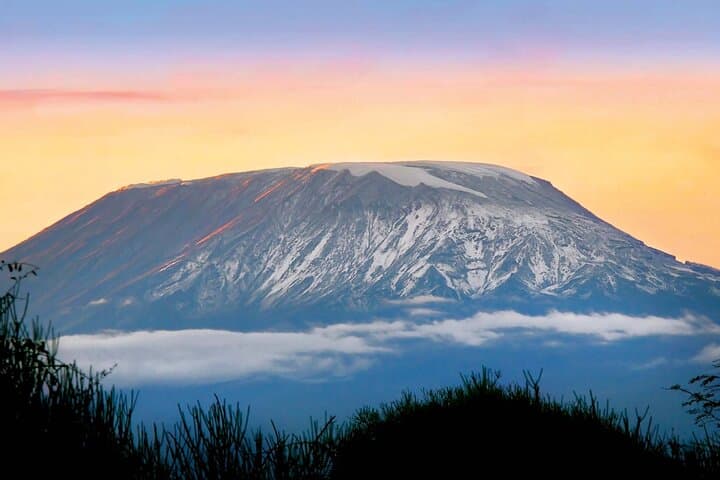
The Rongai Route approaches Kilimanjaro from the north, a gentler, less crowded line that was traditionally used by northern tribes and traders. Geological history shows Kilimanjaro as a dormant stratovolcano with three cones—Kibo, Mawenzi and Shira—whose glaciers and volcanic rock shape the dramatic skyline. Culturally, local Chagga communities on the southern flanks have long stories of the mountain that guided early explorers and climbers.
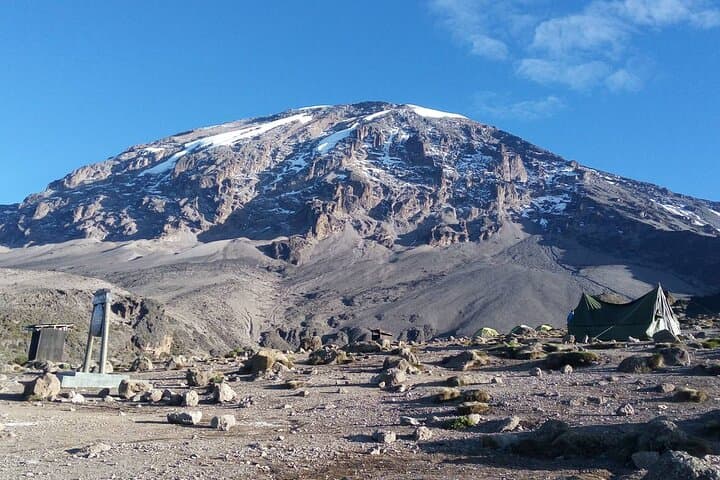
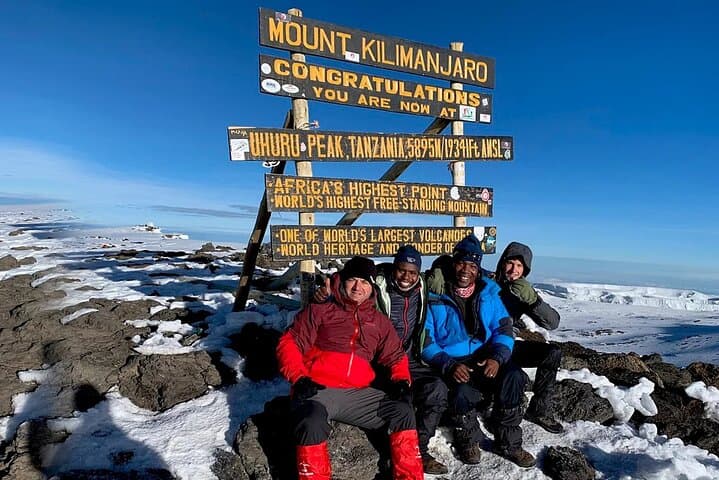
Expect six ecological zones: agricultural fields, montane rainforest, heath and moorland, alpine desert, and the arctic summit zone. Days are staged to aid acclimatization: short uphill sections, strategic high walks, and a midnight summit push from Kibo to Gilman’s Point and Uhuru Peak at 5,895 m (19,341 ft). Terrain ranges from packed dirt and erica-covered slopes to scree and loose volcanic rock above 4,500 m.
Practical guidance: train with long hikes and altitude exposure, bring a layering system and reliable boots, and follow the mantra pole, pole—slowly, slowly. Hydration, calories, and sleep are your summit currency; use trekking poles to protect knees on descent. Weather is changeable—clear, dry mornings can turn windy and icy after noon—so plan flexible travel days in Moshi or Arusha. With prepared guides and good pacing, the Rongai route rewards steady climbers with expansive sunrise views from the roof of Africa.
challenging.
7 days.
Requires good cardiovascular fitness and endurance for consecutive days of 3–10 hour hikes and a strenuous midnight summit push.
No technical mountaineering skills are required; the route is non-technical trekking, but you must be fit and comfortable with high-altitude hiking and loose scree.
Ascend slowly, follow acclimatization days, stay well-hydrated, eat sufficient calories, sleep well, and communicate symptoms early to guides.
The summit push typically starts at midnight, with 6–8 hours to Gilman’s Point and Uhuru Peak; expect cold temperatures, thin air, and strong winds near the crater rim.
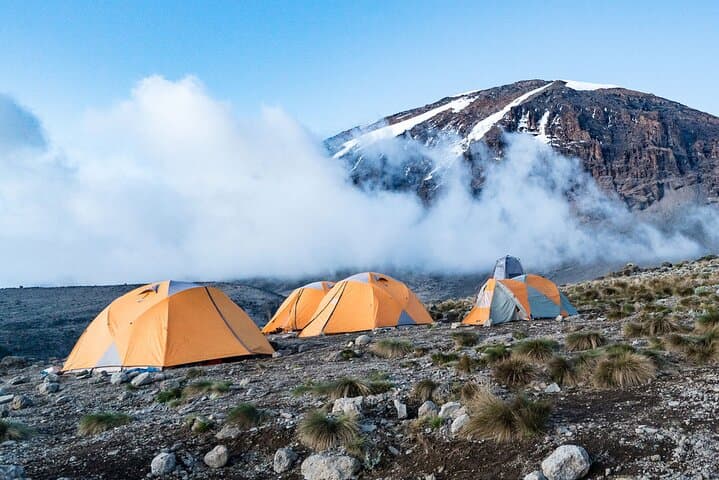
Most guided packages include full board, hot meals, and camping equipment; confirm specifics with your operator and bring personal utensils and snacks if desired.
Kilimanjaro has long been significant to local Chagga communities and was first summited in 1889; the mountain’s glaciers and eruption history record East Africa’s geological past.
Glacial retreat and fragile alpine moorland make low-impact travel essential; stick to established trails, pack out waste, and support local guides and porters.
Spirit of Kilimanjaro operates guided outdoor trips and adventures with an emphasis on safety, stewardship, and memorable experiences.
The night air on the lower slopes smells of wet earth and roasting maize as porters fold tents by headlamp. You step from Moshi into green farmland, then into the rainforest where the trail narrows and the mountain first makes its presence known—massive, indifferent, and changing with every ecological band you cross.
The night air on the lower slopes smells of wet earth and roasting maize as porters fold tents by headlamp. You step from Moshi into green farmland, then into the rainforest where the trail narrows and the mountain first makes its presence known—massive, indifferent, and changing with every ecological band you cross.
The Rongai Route approaches Kilimanjaro from the north, a gentler, less crowded line that was traditionally used by northern tribes and traders. Geological history shows Kilimanjaro as a dormant stratovolcano with three cones—Kibo, Mawenzi and Shira—whose glaciers and volcanic rock shape the dramatic skyline. Culturally, local Chagga communities on the southern flanks have long stories of the mountain that guided early explorers and climbers.
Expect six ecological zones: agricultural fields, montane rainforest, heath and moorland, alpine desert, and the arctic summit zone. Days are staged to aid acclimatization: short uphill sections, strategic high walks, and a midnight summit push from Kibo to Gilman’s Point and Uhuru Peak at 5,895 m (19,341 ft). Terrain ranges from packed dirt and erica-covered slopes to scree and loose volcanic rock above 4,500 m.
Practical guidance: train with long hikes and altitude exposure, bring a layering system and reliable boots, and follow the mantra pole, pole—slowly, slowly. Hydration, calories, and sleep are your summit currency; use trekking poles to protect knees on descent. Weather is changeable—clear, dry mornings can turn windy and icy after noon—so plan flexible travel days in Moshi or Arusha. With prepared guides and good pacing, the Rongai route rewards steady climbers with expansive sunrise views from the roof of Africa.