THE ADVENTURE COLLECTIVE® · Independent discovery and booking for outdoor travel

A 7-day Machame Route trek takes you from rainforest to summit on Kilimanjaro, crossing diverse habitats and serious altitude. This practical guide explains what to expect on the way to Uhuru Peak and how to prepare for the climb.
A 7-day Machame Route trek takes you from rainforest to summit on Kilimanjaro, crossing diverse habitats and serious altitude. This practical guide explains what to expect on the way to Uhuru Peak and how to prepare for the climb.
Dawn breaks cold and clear above the rainforest line, and your headlamp beads fade as the path narrows into moss-draped trunks. The Machame Route climbs steadily from 5,905 ft through layered ecosystems—emerald rainforest, heather moor, high alpine desert—each step trading humidity for height until the air tastes thin and mineral.
Verified experiences and guided adventures in the surrounding area.
Operated by Soraka Tours · Moshi, Kilimanjaro Region
Dawn breaks cold and clear above the rainforest line, and your headlamp beads fade as the path narrows into moss-draped trunks. The Machame Route climbs steadily from 5,905 ft through layered ecosystems—emerald rainforest, heather moor, high alpine desert—each step trading humidity for height until the air tastes thin and mineral.
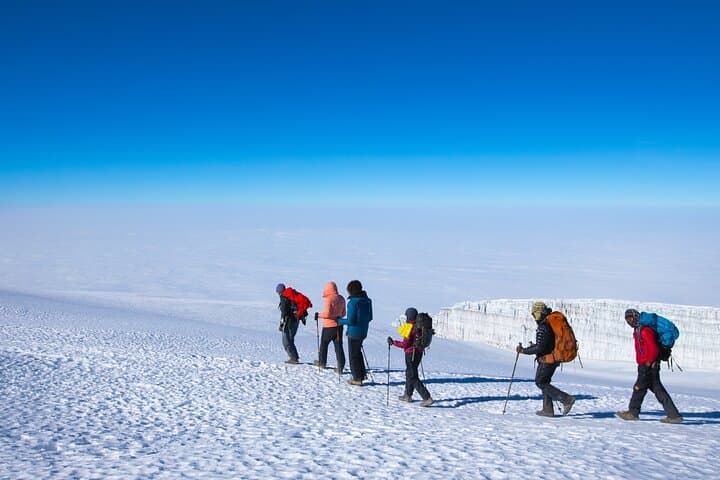
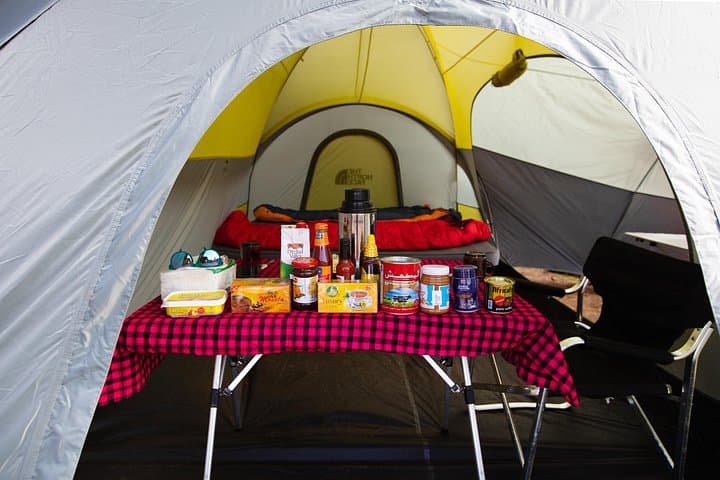
Kilimanjaro is a dormant volcanic massif made of three cones (Kibo, Mawenzi, Shira); Uhuru Peak on Kibo is Africa’s highest point. The mountain’s glaciers, once vast, are receding, a visible sign of regional climate change. For centuries the Chagga people lived on its fertile lower slopes; today trekkers pass villages where local porters and guides, following long-held mountain knowledge, manage tents and meals.
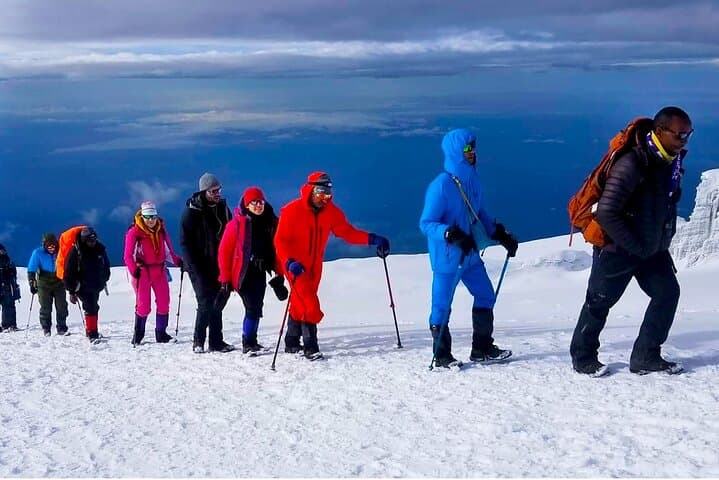
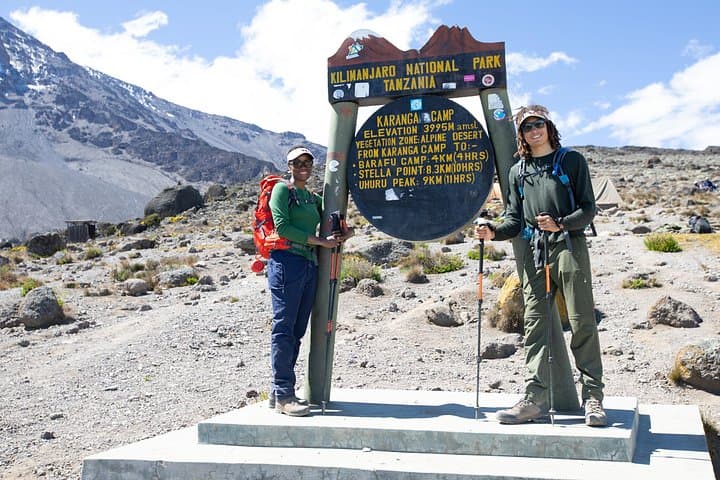
Expect mixed terrain: muddy, root-entangled rainforest trails; soft moorland underfoot; rocky steps and loose scree near Barafu; and a final night of steep, cold, pre-dawn switchbacks and loose volcanic scree to the summit at 19,341 ft. Typical Machame itineraries span 6–8 hiking days (the operator here uses a 7-day summit plan) and emphasize acclimatization: an ascent profile that includes a Lava Tower acclimatization day improves summit odds.
Practicalities: train with long day hikes and stair-conditioning, bring high-calorie snacks, and hydrate constantly—altitude makes thirst deceptive. Sturdy waterproof boots, gaiters, layered insulating clothing, and a sleeping bag rated to -10°C or lower matter. Use a certified guide, monitor oxygen saturation, and build in a rest day if possible; the mountain rewards patience as much as ambition.
challenging.
7–9 days.
Requires strong cardiovascular fitness and previous multi-day trekking experience; train with long hikes, stairs, and weighted packs.
Most guided Machame itineraries use 6–8 hiking days; a 7-day program balances acclimatization and summit opportunity, though longer is safer for altitude adaptation.
No technical climbing skills or ropes are required for the standard Machame route; basic scrambling may occur and guides provide instruction.
Success depends on fitness, acclimatization, weather, and pacing; itineraries with acclimatization days and experienced guides improve odds, but summit is not guaranteed.
Acetazolamide (Diamox) is commonly used to help acclimatize, but consult your physician before the trip and follow guide recommendations, not a substitute for slow ascent.
Kilimanjaro is a volcanic massif with three peaks; early European exploration culminated with the first recorded ascent of Kibo in 1889, and local Chagga communities have long managed lower slopes.
Kilimanjaro National Park protects the mountain, but its glaciers are retreating; stick to trails, use licensed operators, and minimize waste to reduce impact.
Soraka Tours operates guided outdoor trips and adventures with an emphasis on safety, stewardship, and memorable experiences.
Dawn breaks cold and clear above the rainforest line, and your headlamp beads fade as the path narrows into moss-draped trunks. The Machame Route climbs steadily from 5,905 ft through layered ecosystems—emerald rainforest, heather moor, high alpine desert—each step trading humidity for height until the air tastes thin and mineral.
Dawn breaks cold and clear above the rainforest line, and your headlamp beads fade as the path narrows into moss-draped trunks. The Machame Route climbs steadily from 5,905 ft through layered ecosystems—emerald rainforest, heather moor, high alpine desert—each step trading humidity for height until the air tastes thin and mineral.
Kilimanjaro is a dormant volcanic massif made of three cones (Kibo, Mawenzi, Shira); Uhuru Peak on Kibo is Africa’s highest point. The mountain’s glaciers, once vast, are receding, a visible sign of regional climate change. For centuries the Chagga people lived on its fertile lower slopes; today trekkers pass villages where local porters and guides, following long-held mountain knowledge, manage tents and meals.
Expect mixed terrain: muddy, root-entangled rainforest trails; soft moorland underfoot; rocky steps and loose scree near Barafu; and a final night of steep, cold, pre-dawn switchbacks and loose volcanic scree to the summit at 19,341 ft. Typical Machame itineraries span 6–8 hiking days (the operator here uses a 7-day summit plan) and emphasize acclimatization: an ascent profile that includes a Lava Tower acclimatization day improves summit odds.
Practicalities: train with long day hikes and stair-conditioning, bring high-calorie snacks, and hydrate constantly—altitude makes thirst deceptive. Sturdy waterproof boots, gaiters, layered insulating clothing, and a sleeping bag rated to -10°C or lower matter. Use a certified guide, monitor oxygen saturation, and build in a rest day if possible; the mountain rewards patience as much as ambition.