THE ADVENTURE COLLECTIVE® · Independent discovery and booking for outdoor travel

A 7-day private ascent of Kilimanjaro via the Machame Route, combining rainforest, moorland and a final high-altitude push to Uhuru Peak. Expect professional local crews, a mix of muddy lower trails and alpine scree, and a summit sunrise that follows a rigorous acclimatization plan.
A 7-day private ascent of Kilimanjaro via the Machame Route, combining rainforest, moorland and a final high-altitude push to Uhuru Peak. Expect professional local crews, a mix of muddy lower trails and alpine scree, and a summit sunrise that follows a rigorous acclimatization plan.
You stand at Machame Gate as dawn filters through the rainforest, damp soil sucking at your boots while porters sort packs and the guides tighten poles. The trail climbs hard out of green, moving from dripping understory to the open moorland of Shira Plateau; each day shifts the mountain’s voice from wet leaves to wind-swept scree and, finally, the quiet of glacier-creased ridgelines.
Verified experiences and guided adventures in the surrounding area.
Operated by Operation Kilimanjaro · Moshi, Kilimanjaro Region
You stand at Machame Gate as dawn filters through the rainforest, damp soil sucking at your boots while porters sort packs and the guides tighten poles. The trail climbs hard out of green, moving from dripping understory to the open moorland of Shira Plateau; each day shifts the mountain’s voice from wet leaves to wind-swept scree and, finally, the quiet of glacier-creased ridgelines.
Kilimanjaro is a stratovolcano with three volcanic cones—Kibo, Mawenzi and Shira—whose glaciers have carved the summit crater over millennia. The Chagga people have long lived on its lower slopes; modern Kilimanjaro travel grew in the late 19th century when European mountaineers first reached the high ridges. Local guides and crews remain central to the experience: expect professional support from porters, cooks and accredited guides who manage camps, meals and logistics on the Machame (‘‘Whiskey’’) route.
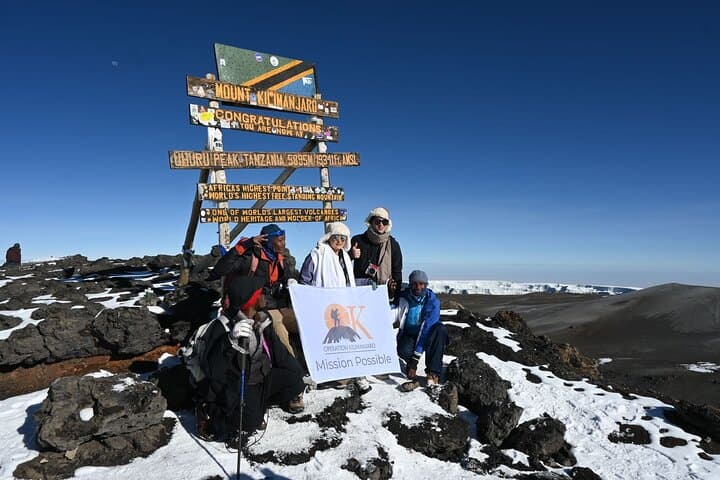
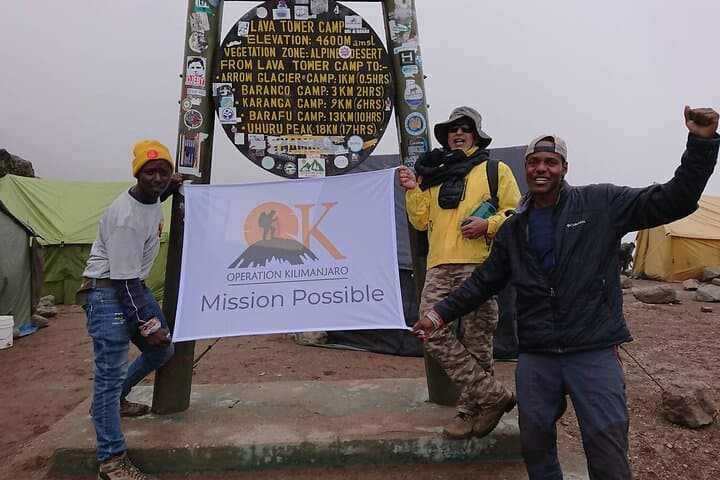
The Machame itinerary is a 7-day push that uses a climb-high, sleep-low rhythm (Machame → Shira → Lava Tower → Barranco → Karanga → Barafu → Summit → Mweka). Key technical notes: no technical climbing is required, but summit night is a long, steep, high-altitude push over scree and snow to Uhuru Peak (5,895 m). Acclimatization days and steady pacing matter more than speed.
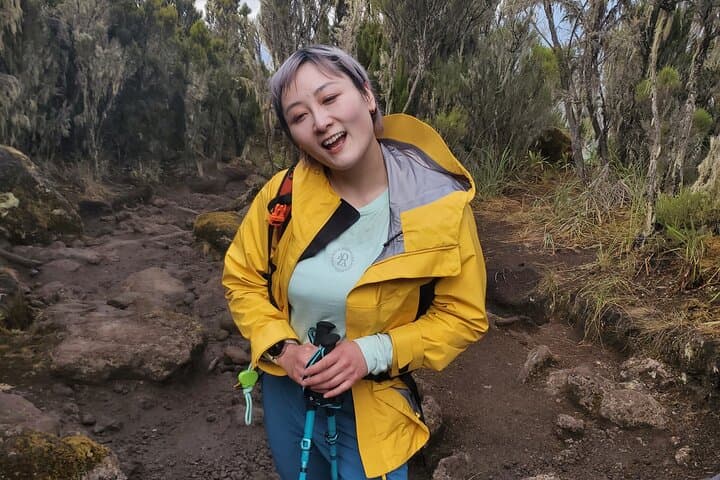
Practical guidance: pack layered clothing for freezing summit nights, use gaiters and trekking poles on muddy lower sections, and prioritize slow ascent and hydration to reduce altitude illness. Plan for variable weather, rely on your crew for meals and camp setup, and bring a lightweight personal toilet kit for comfort. One step at a time—this route rewards patience with one of Africa’s most memorable sunrises.
challenging.
7 days.
Requires good cardiovascular fitness, regular hiking experience, and endurance for long daily ascents and a midnight summit push
No technical climbing gear is required—this is a non-technical trek—but you need sturdy boots, warm clothing and experience with long high-altitude hikes.
Typical inclusions are park fees, camping gear, sleeping bags, meals, private transport to/from Moshi, airport transfers, porters, cooks and professional guides; confirm specifics with the operator.
Success depends on preparation and acclimatization; the operator reports high summit rates but overall success varies with fitness, weather and altitude response—the itinerary builds acclimatization rest days to improve chances.
June–October and late December–February are the most popular windows for drier weather and clearer summit views, though each season has trade-offs in trail conditions and crowds.
The first documented European ascent of Kilimanjaro’s high ridges occurred in the late 19th century; the mountain has long been central to Chagga culture on its lower slopes.
Kilimanjaro National Park is managed to protect fragile alpine habitats—stay on trails, minimize waste, and follow guide instructions for toilet and campsite protocols.
Operation Kilimanjaro operates guided outdoor trips and adventures with an emphasis on safety, stewardship, and memorable experiences.
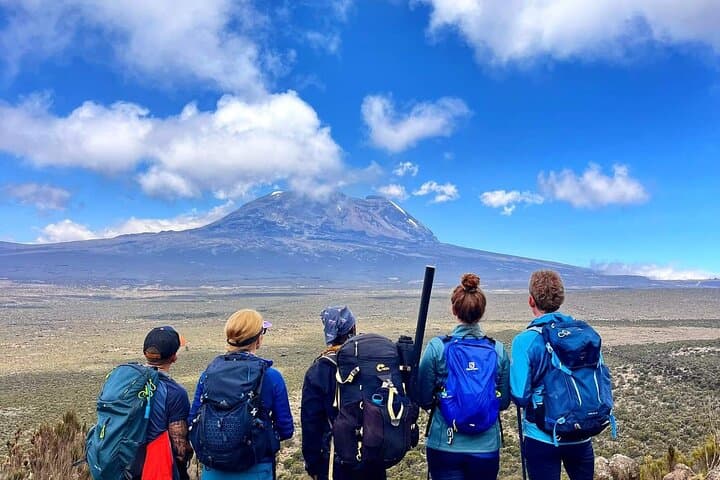
You stand at Machame Gate as dawn filters through the rainforest, damp soil sucking at your boots while porters sort packs and the guides tighten poles. The trail climbs hard out of green, moving from dripping understory to the open moorland of Shira Plateau; each day shifts the mountain’s voice from wet leaves to wind-swept scree and, finally, the quiet of glacier-creased ridgelines.
You stand at Machame Gate as dawn filters through the rainforest, damp soil sucking at your boots while porters sort packs and the guides tighten poles. The trail climbs hard out of green, moving from dripping understory to the open moorland of Shira Plateau; each day shifts the mountain’s voice from wet leaves to wind-swept scree and, finally, the quiet of glacier-creased ridgelines.
Kilimanjaro is a stratovolcano with three volcanic cones—Kibo, Mawenzi and Shira—whose glaciers have carved the summit crater over millennia. The Chagga people have long lived on its lower slopes; modern Kilimanjaro travel grew in the late 19th century when European mountaineers first reached the high ridges. Local guides and crews remain central to the experience: expect professional support from porters, cooks and accredited guides who manage camps, meals and logistics on the Machame (‘‘Whiskey’’) route.
The Machame itinerary is a 7-day push that uses a climb-high, sleep-low rhythm (Machame → Shira → Lava Tower → Barranco → Karanga → Barafu → Summit → Mweka). Key technical notes: no technical climbing is required, but summit night is a long, steep, high-altitude push over scree and snow to Uhuru Peak (5,895 m). Acclimatization days and steady pacing matter more than speed.
Practical guidance: pack layered clothing for freezing summit nights, use gaiters and trekking poles on muddy lower sections, and prioritize slow ascent and hydration to reduce altitude illness. Plan for variable weather, rely on your crew for meals and camp setup, and bring a lightweight personal toilet kit for comfort. One step at a time—this route rewards patience with one of Africa’s most memorable sunrises.