THE ADVENTURE COLLECTIVE® · Independent discovery and booking for outdoor travel

The Machame Route is a seven-day, camp-based ascent of Mount Kilimanjaro that trades long days for better acclimatization and higher summit success. This practical guide walks through route highlights, daily terrain, cultural context and the must-have gear for a safe climb.
The Machame Route is a seven-day, camp-based ascent of Mount Kilimanjaro that trades long days for better acclimatization and higher summit success. This practical guide walks through route highlights, daily terrain, cultural context and the must-have gear for a safe climb.
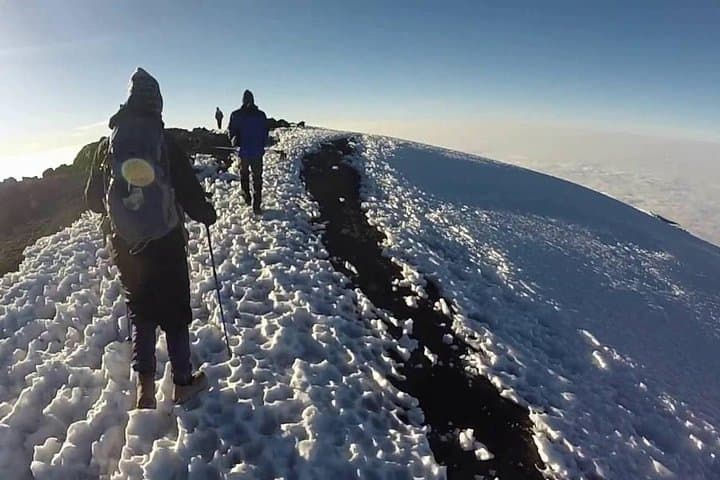
The headlamps are a loose string of human constellations up the slope, each light a patient pulse inching toward the summit. At midnight on summit night the air is thin and brittle, pack fabric whispering as climbers and crews move under a tilted sky. On the Machame Route, known to locals as the “Whiskey Route,” that slow procession becomes a braided story of forest trails, volcanic ridges, wind-scoured camps and one long push to Uhuru Peak.
Verified experiences and guided adventures in the surrounding area.
Operated by TaraLight Safari Tours · Moshi, Kilimanjaro Region
The headlamps are a loose string of human constellations up the slope, each light a patient pulse inching toward the summit. At midnight on summit night the air is thin and brittle, pack fabric whispering as climbers and crews move under a tilted sky. On the Machame Route, known to locals as the “Whiskey Route,” that slow procession becomes a braided story of forest trails, volcanic ridges, wind-scoured camps and one long push to Uhuru Peak.
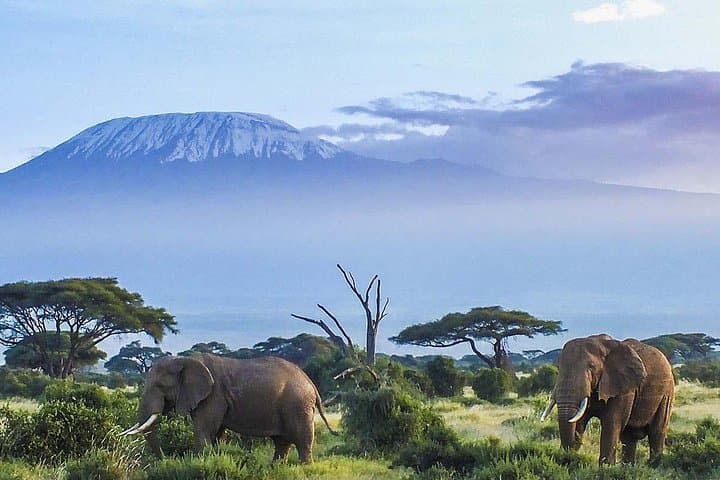
The mountain itself is straightforward geology: Kilimanjaro is a dormant stratovolcano with three cones—Kibo, Mawenzi and Shira. Machame winds from rainforest into heather and then an alpine desert, crossing the Shira Plateau, skirting the Lava Tower and climbing out of the green Barranco Valley. Glaciers cling to the upper flanks, visibly receding—a stark reminder that the mountain is changing on a human timescale.
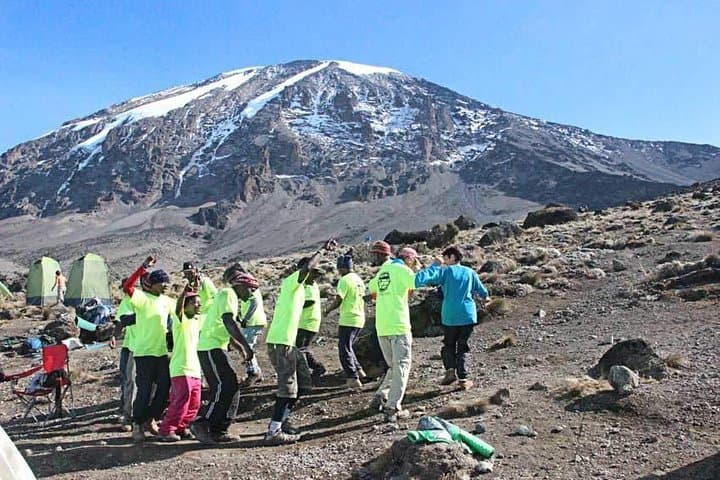
Culturally, the climb passes through Chagga country. Villages below feed the guiding economy: cooks, guides and porters—many from local communities—make summit attempts possible. The climb’s rhythm includes convivial tea stops and the quiet courtesy of porters who build camps and keep cook tents warm. Respecting that labor is part of the trip: tips and fair treatment matter.
Daily mileage is modest—mostly 4–10 km—but altitude is the real metric. The seven-day itinerary deliberately adds an extra night to aid acclimatization: Machame Gate (1,830 m) to Machame Camp (3,030 m), then Shira, over Lava Tower, Barranco, Karanga and Barafu camps before the midnight summit push to 5,895 m. Terrain alternates: wet, rooty rainforest; moorland of giant senecios; jagged volcanic scree on the upper reaches.
Practical guidance is simple and non-negotiable. Treat altitude as the challenge—not distance. Walk slow, hydrate often, and eat salty snacks. Layering matters: temperatures swing from warm lowland sun to sub-zero summit winds. Break in your boots on talus and scree; lightweight gaiters help. Pack a small daypack for summit night with essentials—insulated jacket, water, headlamp and blister kit.
Logistics: permits and a registered guide are required. Most climbs stage from Moshi or Arusha; supplier pickup is common. Expect tented camping rather than huts along Machame, and plan tips for crew as part of your budget.
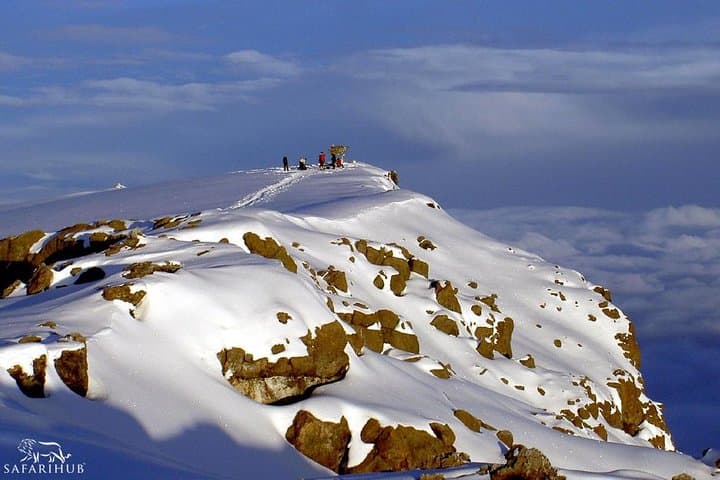
The reward is elemental: sunrise from Uhuru Peak throws light over the eastern plains while the crater rim and currents of wind push and shape the ridge. The descent is fast, the liver warm with accomplishment, and the mountain already moving in memory.
challenging.
7 days.
Good cardiovascular fitness and several months of hiking or stair-training recommended; able to carry a 6–8 kg daypack and tolerate long, cold nights.
No technical rock or ice-climbing skills are required; the route is a strenuous hike, though high-altitude experience and confident footing on scree help.
Seven days increases acclimatization and improves success rates; roughly 60% reach the summit, but results vary with fitness, acclimatization and weather.
Toilets are basic and usually pit or portable at camps; hot showers are not available on the mountain—expect showers back in Moshi/Arusha after descent.
You must purchase government park permits; reputable operators handle booking and include fees in tour pricing—confirm in writing before travel.
Common practice is to tip guides, assistant guides and porters separately—budget roughly 10–20% of trip cost divided among crew, adjusted for service quality.
Acute Mountain Sickness is possible; guides monitor symptoms and may descend if needed. Slow pace, hydration and added acclimatization nights reduce risk—carry acetazolamide only if prescribed.
Kilimanjaro has long cultural significance to Chagga communities; European exploration in the 19th century documented its glaciers and peaks.
Glacial retreat and trail erosion are ongoing issues—stick to trails, minimize waste and use reputable operators who follow park regulations.
TaraLight Safari Tours operates guided outdoor trips and adventures with an emphasis on safety, stewardship, and memorable experiences.
The headlamps are a loose string of human constellations up the slope, each light a patient pulse inching toward the summit. At midnight on summit night the air is thin and brittle, pack fabric whispering as climbers and crews move under a tilted sky. On the Machame Route, known to locals as the “Whiskey Route,” that slow procession becomes a braided story of forest trails, volcanic ridges, wind-scoured camps and one long push to Uhuru Peak.
The headlamps are a loose string of human constellations up the slope, each light a patient pulse inching toward the summit. At midnight on summit night the air is thin and brittle, pack fabric whispering as climbers and crews move under a tilted sky. On the Machame Route, known to locals as the “Whiskey Route,” that slow procession becomes a braided story of forest trails, volcanic ridges, wind-scoured camps and one long push to Uhuru Peak.
The mountain itself is straightforward geology: Kilimanjaro is a dormant stratovolcano with three cones—Kibo, Mawenzi and Shira. Machame winds from rainforest into heather and then an alpine desert, crossing the Shira Plateau, skirting the Lava Tower and climbing out of the green Barranco Valley. Glaciers cling to the upper flanks, visibly receding—a stark reminder that the mountain is changing on a human timescale.
Culturally, the climb passes through Chagga country. Villages below feed the guiding economy: cooks, guides and porters—many from local communities—make summit attempts possible. The climb’s rhythm includes convivial tea stops and the quiet courtesy of porters who build camps and keep cook tents warm. Respecting that labor is part of the trip: tips and fair treatment matter.
Daily mileage is modest—mostly 4–10 km—but altitude is the real metric. The seven-day itinerary deliberately adds an extra night to aid acclimatization: Machame Gate (1,830 m) to Machame Camp (3,030 m), then Shira, over Lava Tower, Barranco, Karanga and Barafu camps before the midnight summit push to 5,895 m. Terrain alternates: wet, rooty rainforest; moorland of giant senecios; jagged volcanic scree on the upper reaches.
Practical guidance is simple and non-negotiable. Treat altitude as the challenge—not distance. Walk slow, hydrate often, and eat salty snacks. Layering matters: temperatures swing from warm lowland sun to sub-zero summit winds. Break in your boots on talus and scree; lightweight gaiters help. Pack a small daypack for summit night with essentials—insulated jacket, water, headlamp and blister kit.
Logistics: permits and a registered guide are required. Most climbs stage from Moshi or Arusha; supplier pickup is common. Expect tented camping rather than huts along Machame, and plan tips for crew as part of your budget.
The reward is elemental: sunrise from Uhuru Peak throws light over the eastern plains while the crater rim and currents of wind push and shape the ridge. The descent is fast, the liver warm with accomplishment, and the mountain already moving in memory.