THE ADVENTURE COLLECTIVE® · Independent discovery and booking for outdoor travel

A seven-day climb up Kilimanjaro via the Machame Route moves from rainforest to Arctic desert, offering steady acclimatization and dramatic geological shifts. This guide lays out what to expect — terrain, daily gains, cultural context and practical tips to maximize your summit chances.
A seven-day climb up Kilimanjaro via the Machame Route moves from rainforest to Arctic desert, offering steady acclimatization and dramatic geological shifts. This guide lays out what to expect — terrain, daily gains, cultural context and practical tips to maximize your summit chances.
Verified experiences and guided adventures in the surrounding area.
Operated by Spirit of Kilimanjaro · Moshi, Kilimanjaro Region
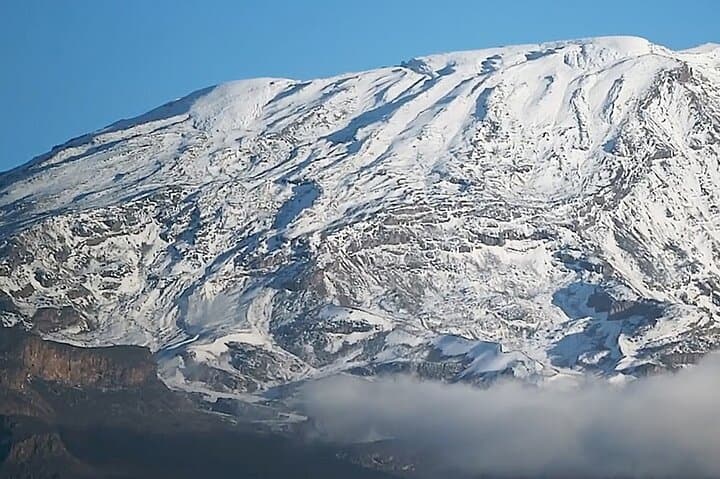
Fog clings to the trunks as porters tighten tent guylines and the first headlamps bob like fireflies under the canopy. At Machame Gate the path dives into a rainforest that smells of wet earth and eucalyptus; after a morning of switchbacks the trees thin and the mountain begins to show its true personality — broad volcanic shoulders that will change from green to grey as you push higher.
challenging.
6–7 days.
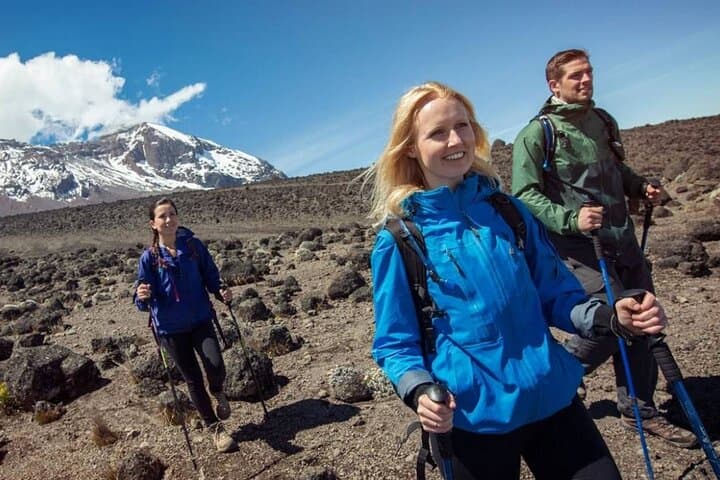
You should have good cardiovascular fitness and prior multi-day hiking experience; strong legs and stamina for long uphill days are important.
No technical climbing skills are required for the Machame Route, but prior multi-day hiking experience and good cardiovascular fitness significantly improve your comfort and success rate.
A seven-day schedule increases acclimatization time and therefore improves summit probability compared with shorter itineraries, but success depends on fitness, altitude response and weather.
Summit temperatures can be well below freezing, often -10°C to -20°C (14°F to -4°F) with wind chill; proper insulated layers are essential.
Most operators include park fees and permits in the package; confirm at booking and carry identification for registration at park gates.
Yes — acute mountain sickness is possible for anyone. Slow pacing, hydration, avoiding alcohol, and communicating symptoms to guides are key management steps.
Tipping is customary; many climbers budget a set amount per client for guides and porters distributed at the end of the trek—ask your operator for current suggested amounts.
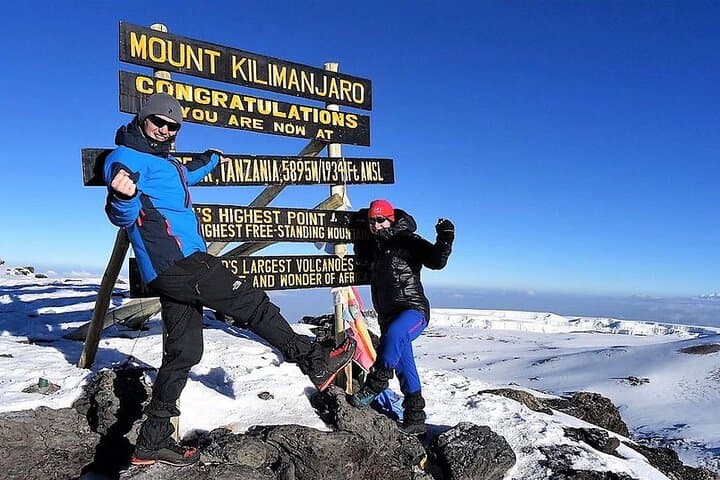
Kilimanjaro has long been central to Chagga communities; European climbing attempts began in the late 19th century and Uhuru Peak was first reached in 1889 (though national recognition came later).
Kilimanjaro National Park manages trails and waste, but glacial retreat and increasing visitor numbers create pressure — choose operators who follow Leave No Trace and support local porters' welfare.
Spirit of Kilimanjaro operates guided outdoor trips and adventures with an emphasis on safety, stewardship, and memorable experiences.
Book with Spirit of Kilimanjaro
Book directly with Spirit of Kilimanjaro for the best rates and real-time scheduling.
Reserve Now