THE ADVENTURE COLLECTIVE® · Independent discovery and booking for outdoor travel

Start in Moshi and follow the Machame ‘Whiskey Route’ up through rainforest, the Shira Plateau and alpine desert to Uhuru Peak. This 7-day itinerary balances acclimatization and hard climbs with local support from guides and porters.
Start in Moshi and follow the Machame ‘Whiskey Route’ up through rainforest, the Shira Plateau and alpine desert to Uhuru Peak. This 7-day itinerary balances acclimatization and hard climbs with local support from guides and porters.
The morning begins in Moshi with the low hum of minibuses and the scent of fresh coffee; by midday the rainforest is pressing in around you, ferns brushing the sides of the trail as the Machame route narrows into a single-file ribbon. That first day’s climb—1490 m at the gate to Machame Camp—pulls you out of the town’s warmth and into a cloud-shrouded world where the mountain’s moods change with every contour. The trail opens and closes: moss and drip-lines, wide heather-strewn plateaus, a volcanic skyline that refuses to stay still.
Verified experiences and guided adventures in the surrounding area.
Operated by Youth Adventures and Safaris · Moshi, Kilimanjaro Region
The morning begins in Moshi with the low hum of minibuses and the scent of fresh coffee; by midday the rainforest is pressing in around you, ferns brushing the sides of the trail as the Machame route narrows into a single-file ribbon. That first day’s climb—1490 m at the gate to Machame Camp—pulls you out of the town’s warmth and into a cloud-shrouded world where the mountain’s moods change with every contour. The trail opens and closes: moss and drip-lines, wide heather-strewn plateaus, a volcanic skyline that refuses to stay still.
Geology and history are written into every step. Kilimanjaro is a dormant stratovolcano with three cones—Kibo, Mawenzi and Shira—shaped by eruptions and ice over millennia. The Machame route swings west to the Shira Plateau, then traces the southern circuit so you look at the mountain from multiple angles; you gain altitude across rainforest, heath, alpine desert and finally arctic scree. Locally the Machame is called the “Whiskey Route” because it’s tougher and less forgiving than the hut-based Marangu trail.
Culture threads into the climb. Moshi is the gateway—Chagga coffee farms spill down the lower slopes—and your team of guides, cooks and porters bring both logistical muscle and local knowledge. Park fees, camping permits and rescue fees are part of the package you’ll pay; many operators include transfers and hotel nights in Moshi before and after the trek.
The itinerary is intentionally paced for acclimatization: Machame to Shira (about 5 km, 3 miles, 4–6 hours), then Shira to Lava Tower and down to Barranco (day includes a high point at 15,190 ft), Barranco to Karanga, Karanga to Barafu and the predawn summit push from Barafu to Uhuru Peak (19,341 ft). Total gate-to-gate distance sits near 62 km when measured end-to-end.
Practical guidance matters. Bring a layered clothing system: nights at Barafu are below freezing, daytime in the rainforest can be wet and warm. Pack trekking poles—the descent from Uhuru to Mweka is rocky and punishing on knees. Hydration, slow pacing and the extra acclimatization day common on 7-day itineraries materially improve summit odds. Expect 6–7 days on the mountain; summit night starts shortly after midnight, and the final scramble to Stella Point rewards you with sunrise over Mawenzi.
On arrival, treat porters and guides with respect: tipping is customary and supports local livelihoods. Follow leave-no-trace rules—human waste management and campsite containment are enforced by the park. With planning, reasonable fitness and an appetite for long days on varied terrain, the Machame route is one of the most vivid high-altitude treks: dramatic viewpoints, volcanic geology underfoot, and the simple, stubborn thrill of standing on Africa’s roof.
challenging.
6–7 days.
You should have good cardiovascular fitness and experience with multi-day hikes; ability to walk 6–8 hours at altitude is recommended.
The typical plan is 6–7 days; the 7-day option adds an acclimatization day and increases summit chances.
Yes—three-season mountain tents and double-layer sleeping mats are usually provided by operators.
No technical climbing skills are required, but experience with long-day trekking and altitude exposure is highly recommended.
Filtered water and bottled water are commonly provided on the trek; bring a reusable bottle for refills and purification tablets as a backup.
Dry months (June–October and late December–February) offer the most stable weather and best summit conditions.
Tipping is customary for guides, cooks and porters—budget roughly 10–20% of the trek price or follow operator guidelines.
The Machame route—nicknamed the ‘Whiskey Route’—gained popularity for its varied scenery and higher acclimatization profile compared with older hut routes like Marangu.
Kilimanjaro National Park charges park and rescue fees that fund conservation; follow park rules and pack out non-biodegradable waste to protect fragile alpine zones.
Youth Adventures and Safaris operates guided outdoor trips and adventures with an emphasis on safety, stewardship, and memorable experiences.
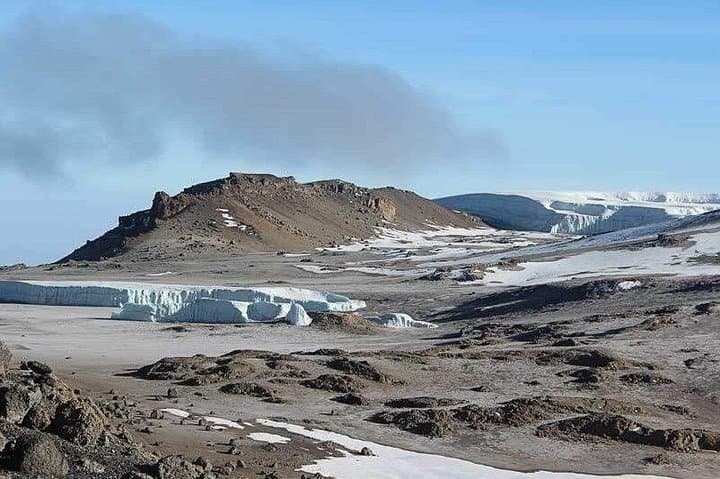
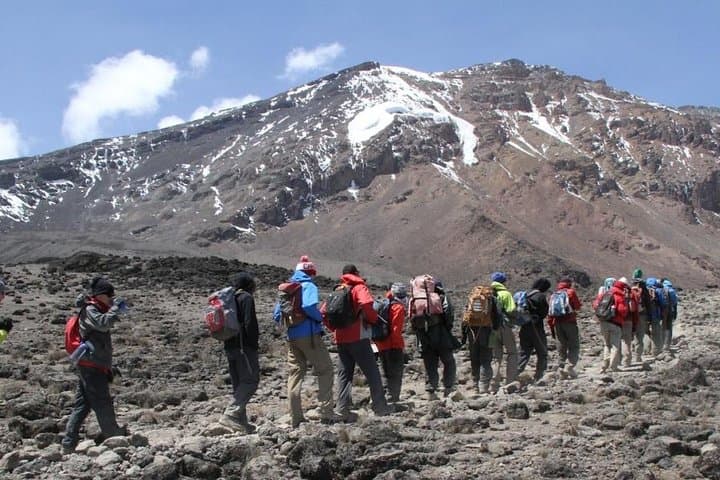
The morning begins in Moshi with the low hum of minibuses and the scent of fresh coffee; by midday the rainforest is pressing in around you, ferns brushing the sides of the trail as the Machame route narrows into a single-file ribbon. That first day’s climb—1490 m at the gate to Machame Camp—pulls you out of the town’s warmth and into a cloud-shrouded world where the mountain’s moods change with every contour. The trail opens and closes: moss and drip-lines, wide heather-strewn plateaus, a volcanic skyline that refuses to stay still.
The morning begins in Moshi with the low hum of minibuses and the scent of fresh coffee; by midday the rainforest is pressing in around you, ferns brushing the sides of the trail as the Machame route narrows into a single-file ribbon. That first day’s climb—1490 m at the gate to Machame Camp—pulls you out of the town’s warmth and into a cloud-shrouded world where the mountain’s moods change with every contour. The trail opens and closes: moss and drip-lines, wide heather-strewn plateaus, a volcanic skyline that refuses to stay still.
Geology and history are written into every step. Kilimanjaro is a dormant stratovolcano with three cones—Kibo, Mawenzi and Shira—shaped by eruptions and ice over millennia. The Machame route swings west to the Shira Plateau, then traces the southern circuit so you look at the mountain from multiple angles; you gain altitude across rainforest, heath, alpine desert and finally arctic scree. Locally the Machame is called the “Whiskey Route” because it’s tougher and less forgiving than the hut-based Marangu trail.
Culture threads into the climb. Moshi is the gateway—Chagga coffee farms spill down the lower slopes—and your team of guides, cooks and porters bring both logistical muscle and local knowledge. Park fees, camping permits and rescue fees are part of the package you’ll pay; many operators include transfers and hotel nights in Moshi before and after the trek.
The itinerary is intentionally paced for acclimatization: Machame to Shira (about 5 km, 3 miles, 4–6 hours), then Shira to Lava Tower and down to Barranco (day includes a high point at 15,190 ft), Barranco to Karanga, Karanga to Barafu and the predawn summit push from Barafu to Uhuru Peak (19,341 ft). Total gate-to-gate distance sits near 62 km when measured end-to-end.
Practical guidance matters. Bring a layered clothing system: nights at Barafu are below freezing, daytime in the rainforest can be wet and warm. Pack trekking poles—the descent from Uhuru to Mweka is rocky and punishing on knees. Hydration, slow pacing and the extra acclimatization day common on 7-day itineraries materially improve summit odds. Expect 6–7 days on the mountain; summit night starts shortly after midnight, and the final scramble to Stella Point rewards you with sunrise over Mawenzi.
On arrival, treat porters and guides with respect: tipping is customary and supports local livelihoods. Follow leave-no-trace rules—human waste management and campsite containment are enforced by the park. With planning, reasonable fitness and an appetite for long days on varied terrain, the Machame route is one of the most vivid high-altitude treks: dramatic viewpoints, volcanic geology underfoot, and the simple, stubborn thrill of standing on Africa’s roof.