THE ADVENTURE COLLECTIVE® · Independent discovery and booking for outdoor travel

A compact seven-day loop through Kenya’s iconic parks: Lake Nakuru’s flamingos, Masai Mara’s big-game plains, Amboseli’s Kilimanjaro views and Tsavo’s wide horizons. Expect early drives, varied lodging, and close encounters guided by experienced trackers.
A compact seven-day loop through Kenya’s iconic parks: Lake Nakuru’s flamingos, Masai Mara’s big-game plains, Amboseli’s Kilimanjaro views and Tsavo’s wide horizons. Expect early drives, varied lodging, and close encounters guided by experienced trackers.
The Land Rover rises before dawn and the Mara’s grass exhales mist as the first sun burns across the plains. A guide checks the track and the engine answers; a herd of topi lifts and the air fills with distant bird calls. Over seven days the route moves from Nairobi’s city heat into the Rift Valley—Lake Nakuru’s rim of pink flamingos, the Mara’s sweeping savanna where the wildebeest route stages its drama, Naivasha’s crater lakes and Amboseli’s silhouette of Kilimanjaro, then the red soils of Tsavo where Mzima Springs bubbles clear.
Verified experiences and guided adventures in the surrounding area.
Operated by CROCO AFRICAN SAFARIS · Nairobi, Nairobi County
The Land Rover rises before dawn and the Mara’s grass exhales mist as the first sun burns across the plains. A guide checks the track and the engine answers; a herd of topi lifts and the air fills with distant bird calls. Over seven days the route moves from Nairobi’s city heat into the Rift Valley—Lake Nakuru’s rim of pink flamingos, the Mara’s sweeping savanna where the wildebeest route stages its drama, Naivasha’s crater lakes and Amboseli’s silhouette of Kilimanjaro, then the red soils of Tsavo where Mzima Springs bubbles clear.
Geology here is raw: the Great Rift Valley carved basins and alkaline lakes whose mineral edges feed vast birdlife. Culturally, the Maasai and Kalenjin peoples have shaped land use and guiding knowledge for generations; many camps employ local scouts and trackers. Colonial hunting reserves morphed into national parks, and park fees now fund anti-poaching and community programs.
Expect long drives between parks, early morning and late-afternoon game drives, and a mix of lodge comforts and tented camps. Wildlife viewing is greatest at dawn and dusk; heat and dust dominate midafternoons. Practical prep: carry binoculars, a basic first-aid kit, malaria prevention, and small Kenyan shillings for local tips and park extras. Lodges handle most logistics—still, confirm baggage limits, vaccination and visa requirements before travel.
This itinerary rewards patient observation more than adrenaline: stay steady on the track, let the plains reveal their moments, and plan your days around light, not clock time.
moderate.
7 days.
Moderate fitness: able to tolerate long vehicle days, uneven walking around camps and brief walks during game drives.
The Mara typically hosts the peak river crossings from July to October, but migration timing varies yearly—consult guides for current patterns.
Yellow fever vaccine is required if arriving from an infected country; malaria prophylaxis is recommended for many areas—check with a travel clinic for current advice.
Yes; vehicles are comfortable and the tour is rated physically easy, but long drives and early starts may be tiring—notify operators of special needs.
Many lodges and the provided transport list wheelchair-accessible options, but accessibility can vary by camp—confirm specifics with the operator before booking.
The parks sit along the Great Rift Valley; colonial-era conservation, later national park designations, shaped modern protected areas and community conservancies.
Park fees and community conservancies fund anti-poaching and local development—minimize impact by staying on designated roads, avoiding single-use plastics, and respecting wildlife distances.
CROCO AFRICAN SAFARIS operates guided outdoor trips and adventures with an emphasis on safety, stewardship, and memorable experiences.
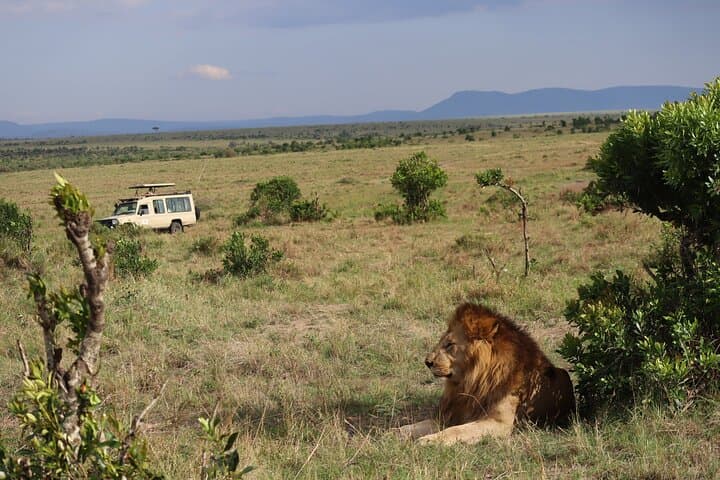
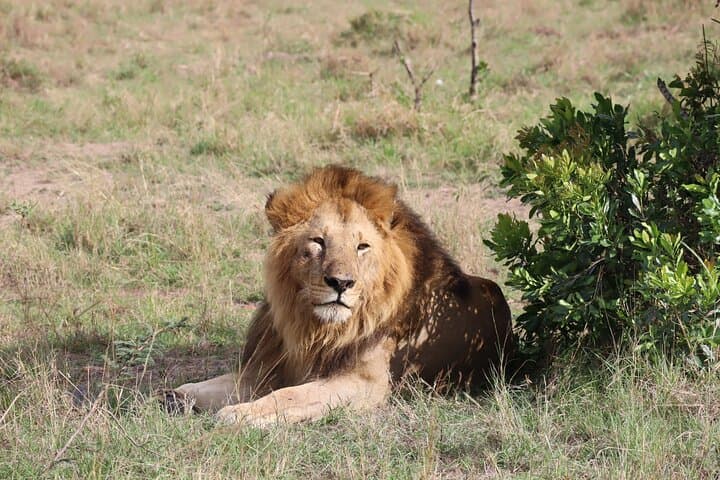
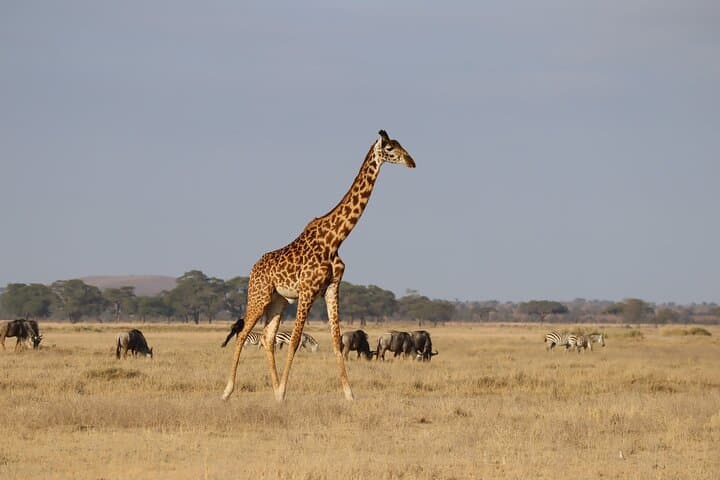
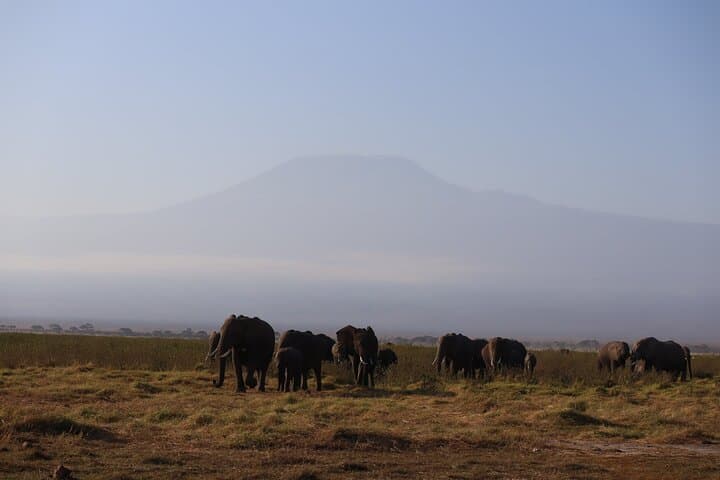
The Land Rover rises before dawn and the Mara’s grass exhales mist as the first sun burns across the plains. A guide checks the track and the engine answers; a herd of topi lifts and the air fills with distant bird calls. Over seven days the route moves from Nairobi’s city heat into the Rift Valley—Lake Nakuru’s rim of pink flamingos, the Mara’s sweeping savanna where the wildebeest route stages its drama, Naivasha’s crater lakes and Amboseli’s silhouette of Kilimanjaro, then the red soils of Tsavo where Mzima Springs bubbles clear.
The Land Rover rises before dawn and the Mara’s grass exhales mist as the first sun burns across the plains. A guide checks the track and the engine answers; a herd of topi lifts and the air fills with distant bird calls. Over seven days the route moves from Nairobi’s city heat into the Rift Valley—Lake Nakuru’s rim of pink flamingos, the Mara’s sweeping savanna where the wildebeest route stages its drama, Naivasha’s crater lakes and Amboseli’s silhouette of Kilimanjaro, then the red soils of Tsavo where Mzima Springs bubbles clear.
Geology here is raw: the Great Rift Valley carved basins and alkaline lakes whose mineral edges feed vast birdlife. Culturally, the Maasai and Kalenjin peoples have shaped land use and guiding knowledge for generations; many camps employ local scouts and trackers. Colonial hunting reserves morphed into national parks, and park fees now fund anti-poaching and community programs.
Expect long drives between parks, early morning and late-afternoon game drives, and a mix of lodge comforts and tented camps. Wildlife viewing is greatest at dawn and dusk; heat and dust dominate midafternoons. Practical prep: carry binoculars, a basic first-aid kit, malaria prevention, and small Kenyan shillings for local tips and park extras. Lodges handle most logistics—still, confirm baggage limits, vaccination and visa requirements before travel.
This itinerary rewards patient observation more than adrenaline: stay steady on the track, let the plains reveal their moments, and plan your days around light, not clock time.