THE ADVENTURE COLLECTIVE® · Independent discovery and booking for outdoor travel

A seven-day loop through Amboseli, the Salt Lick and Tsavo offers repeated, high-quality wildlife encounters—elephant herds beneath Kilimanjaro, night-lit watering holes, and rhino conservation at Ngulia. Expect lodge comforts, long game-drive days, and excellent photography windows.
A seven-day loop through Amboseli, the Salt Lick and Tsavo offers repeated, high-quality wildlife encounters—elephant herds beneath Kilimanjaro, night-lit watering holes, and rhino conservation at Ngulia. Expect lodge comforts, long game-drive days, and excellent photography windows.
Dawn breaks over a wide African plain and Kilimanjaro’s white crown pushes through cloud—elephants move like slow punctuation across the foreground. This seven-day loop delivers that scene repeatedly, moving from Amboseli’s open swamps to the volcanic outcrops of Tsavo West, the raised decks and night-lit watering hole at Salt Lick Lodge, and the broad plains of Tsavo East where ‘red’ elephants dust themselves in ochre soil.
Verified experiences and guided adventures in the surrounding area.
Operated by Cross wild safaris · Nairobi, Nairobi County
Dawn breaks over a wide African plain and Kilimanjaro’s white crown pushes through cloud—elephants move like slow punctuation across the foreground. This seven-day loop delivers that scene repeatedly, moving from Amboseli’s open swamps to the volcanic outcrops of Tsavo West, the raised decks and night-lit watering hole at Salt Lick Lodge, and the broad plains of Tsavo East where ‘red’ elephants dust themselves in ochre soil.
The route threads natural history and human story: Amboseli’s lowlands formed by ancient lakebeds and seasonal swamps, Tsavo’s lava flows and basalt ridges from old eruptions, and the Taita people whose cultural presence shapes local conservancy efforts. Tsavo also carries historical lore — from railway-era stories to conservation milestones such as the Ngulia Rhino Sanctuary.
Practically, expect long but comfortable drives in a private 4x4, daily game drives at dawn and dusk, and lodge-based nights rather than rugged camping. Guides focus on tracking elephants, predators, and the critically endangered black rhino; photography windows are best in the soft morning and late afternoon light. Bring layered clothing for cool mornings, sunscreen for midday in the open plains, and a close-focusing lens or binoculars for skittish species.
Logistics: pickups in Nairobi or at Jomo Kenyatta Airport, park fees and most meals typically included, and private transport with Wi‑Fi on route. This itinerary balances high-impact wildlife viewing with comfort—ideal for travelers who want repeat photographic opportunities without extensive backcountry effort.
easy.
7 days.
Suitable for most fitness levels; minimal hiking required but expect hours sitting in a vehicle and short walks at lodges.
Dry months (June–October and January–March) offer easier wildlife viewing as animals concentrate at water sources, though Amboseli often has clear views year-round.
Most itineraries include park and conservancy entrance fees plus full-board meals as specified; confirm inclusion before booking.
Yellow fever vaccination may be required depending on travel history; check visa requirements and recommended vaccinations with your travel clinic and Kenyan authorities.
Lodges and vehicles are generally family-friendly and many parts are accessible, but check specific lodge accessibility and child policy in advance.
The Tsavo region is historically significant for colonial-era railway development and conservation efforts; Amboseli has longstanding connections with Maasai communities.
The itinerary supports in-park conservation through fees and sanctuary visits; maintain distance from wildlife and follow guide instructions to minimize disturbance.
Cross wild safaris operates guided outdoor trips and adventures with an emphasis on safety, stewardship, and memorable experiences.
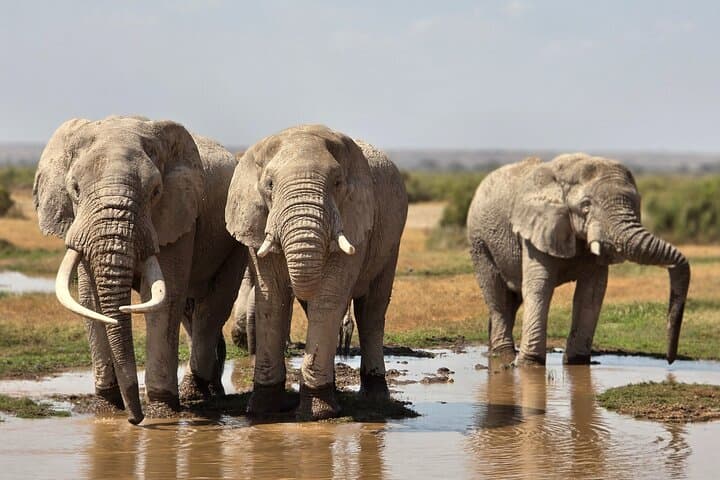
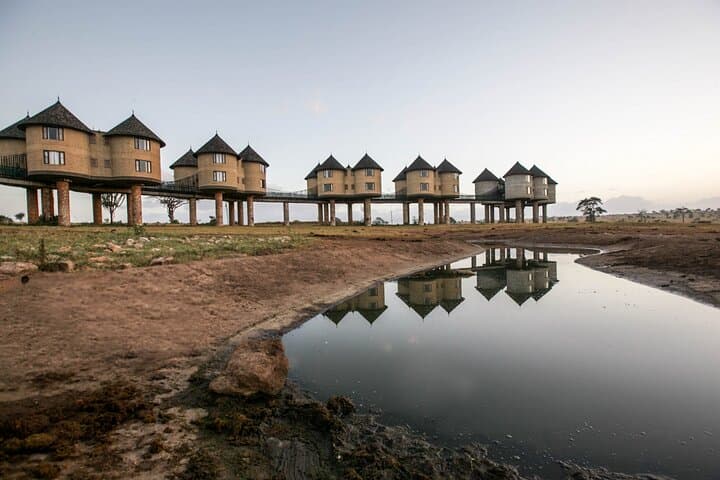
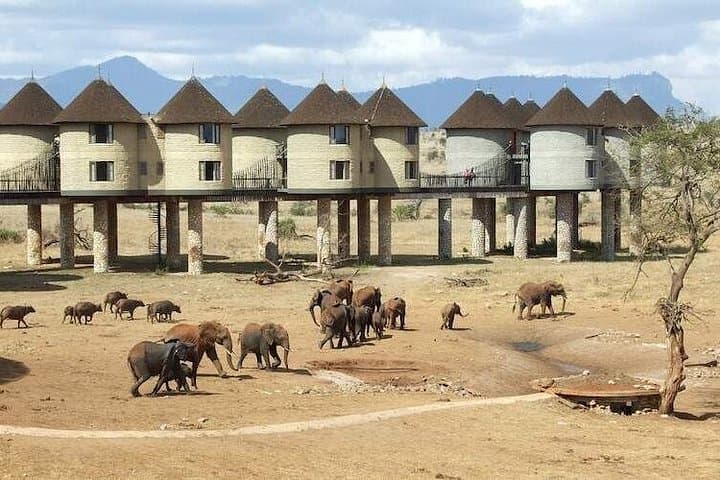
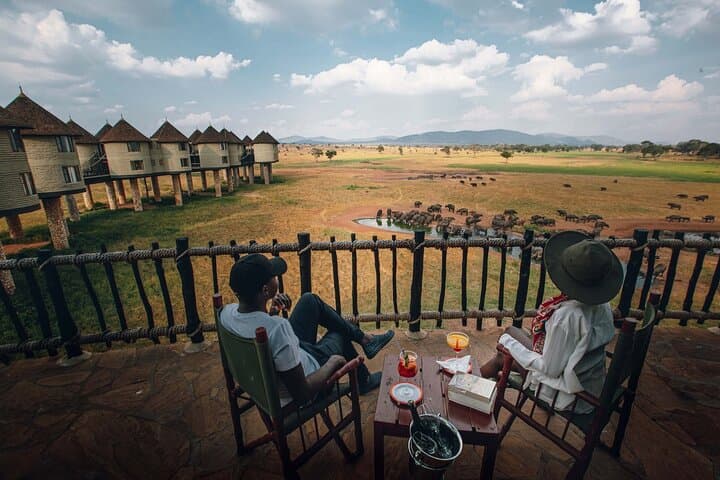
Dawn breaks over a wide African plain and Kilimanjaro’s white crown pushes through cloud—elephants move like slow punctuation across the foreground. This seven-day loop delivers that scene repeatedly, moving from Amboseli’s open swamps to the volcanic outcrops of Tsavo West, the raised decks and night-lit watering hole at Salt Lick Lodge, and the broad plains of Tsavo East where ‘red’ elephants dust themselves in ochre soil.
Dawn breaks over a wide African plain and Kilimanjaro’s white crown pushes through cloud—elephants move like slow punctuation across the foreground. This seven-day loop delivers that scene repeatedly, moving from Amboseli’s open swamps to the volcanic outcrops of Tsavo West, the raised decks and night-lit watering hole at Salt Lick Lodge, and the broad plains of Tsavo East where ‘red’ elephants dust themselves in ochre soil.
The route threads natural history and human story: Amboseli’s lowlands formed by ancient lakebeds and seasonal swamps, Tsavo’s lava flows and basalt ridges from old eruptions, and the Taita people whose cultural presence shapes local conservancy efforts. Tsavo also carries historical lore — from railway-era stories to conservation milestones such as the Ngulia Rhino Sanctuary.
Practically, expect long but comfortable drives in a private 4x4, daily game drives at dawn and dusk, and lodge-based nights rather than rugged camping. Guides focus on tracking elephants, predators, and the critically endangered black rhino; photography windows are best in the soft morning and late afternoon light. Bring layered clothing for cool mornings, sunscreen for midday in the open plains, and a close-focusing lens or binoculars for skittish species.
Logistics: pickups in Nairobi or at Jomo Kenyatta Airport, park fees and most meals typically included, and private transport with Wi‑Fi on route. This itinerary balances high-impact wildlife viewing with comfort—ideal for travelers who want repeat photographic opportunities without extensive backcountry effort.