THE ADVENTURE COLLECTIVE® · Independent discovery and booking for outdoor travel

A seven-day circuit through Jordan’s highlights: Amman’s citadel, Roman Jerash, Madaba’s mosaics, Petra’s rock-cut streets, a Bedouin night in Wadi Rum, and floating at the Dead Sea. Expect long walkable days, desert drives, and rich cultural context.
A seven-day circuit through Jordan’s highlights: Amman’s citadel, Roman Jerash, Madaba’s mosaics, Petra’s rock-cut streets, a Bedouin night in Wadi Rum, and floating at the Dead Sea. Expect long walkable days, desert drives, and rich cultural context.
You step off the plane into the dry blue of Amman and the city’s low hills push the desert light into long shadows. Over the next seven days you move from citadel stones and Roman columns in Jerash to the narrow Siq at Petra — a 1.2 km rock-carved corridor that opens on the famous Treasury — then onward into Wadi Rum’s red sand where wind-carved towers study the sky like living geology.
Verified experiences and guided adventures in the surrounding area.
Operated by Zaid Tours and Travel · Amman, Amman Governorate
You step off the plane into the dry blue of Amman and the city’s low hills push the desert light into long shadows. Over the next seven days you move from citadel stones and Roman columns in Jerash to the narrow Siq at Petra — a 1.2 km rock-carved corridor that opens on the famous Treasury — then onward into Wadi Rum’s red sand where wind-carved towers study the sky like living geology.
This route threads together Jordan’s layers: Nabatean Petra, Roman Jerash, Byzantine mosaics in Madaba and the monastic ruins on Mount Nebo. Geologically the itinerary ranges from limestone ruins and basalt terraces to Wadi Rum’s sandstone and granite escarpments; culturally you’ll encounter Ottoman-era As-Salt neighborhoods and Bedouin hospitality in desert camps.
Practical edge: expect long days of walking on uneven surfaces — the Petra classical circuit can take 3–5 hours including climbs (Monastery or High Place of Sacrifice are steep). Wadi Rum’s included 2-hour 4x4 offers brief hikes and viewpoints; Dead Sea time is for floating and skin-softening mineral mud. Temperatures swing: strong sun by day, desert nights can be chilly. Dress modestly for churches and mosques, bring a hat, layered clothing, strong walking shoes, and sun protection. Carry water and start Petra early to avoid heat and crowds; your driver-guide handles transfers and many entrance fees, but small extras (camel rides, lunches) are typically pay-as-you-go.
This itinerary balances cultural depth with outdoor moments — archaeological walking, desert drives, and the unique buoyancy of the Dead Sea — offering concentrated, walkable access to Jordan’s essential sites.
moderate.
6–7 days.
Moderate — able to walk several hours on uneven terrain and climb steps or short steep sections
The operator offers a free visa exemption service for eligible nationalities (minimum 48-hour stay); confirm requirements and send passport copies after booking.
Entrance fees to listed sites and an English-speaking guide for key visits (Petra, Jerash, Madaba, As-Salt) are included; some language guides may be subject to availability.
Many transfers and some hotels are wheelchair accessible, but key sites like Petra and Wadi Rum include uneven terrain and steps — contact the operator to discuss specific mobility needs.
Yes — floating is a hotel beach activity; bring a swimsuit and avoid shaving immediately before to reduce skin irritation from the salt.
The tour stitches together eras: Roman Jerash’s colonnades, Byzantine mosaics in Madaba, and the Nabatean rock-cut city of Petra — all central to Jordan’s long archaeological record.
Sites are fragile — stay on paths, avoid removing stones or mosaics, and conserve water in a water-scarce region; support local guides and Bedouin services that practice low-impact tourism.
Zaid Tours and Travel operates guided outdoor trips and adventures with an emphasis on safety, stewardship, and memorable experiences.
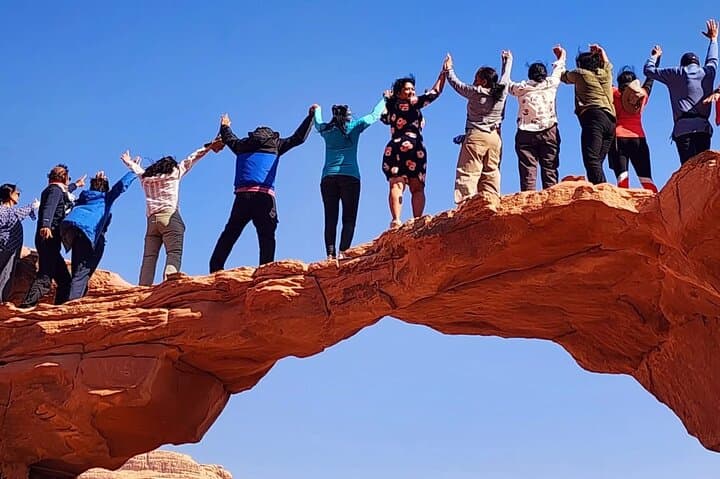
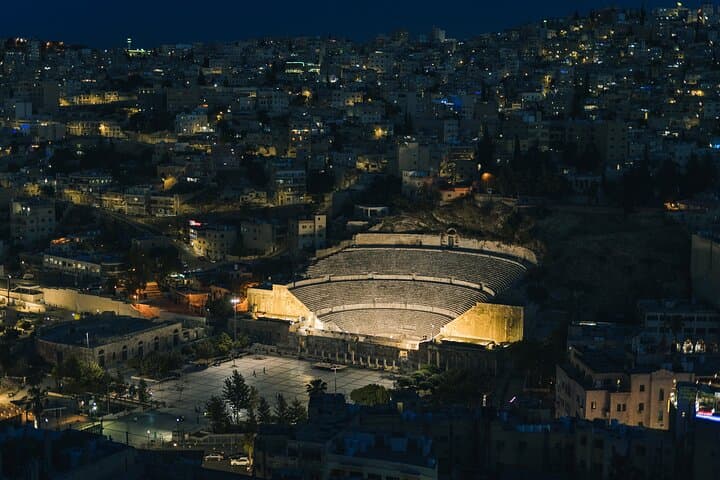
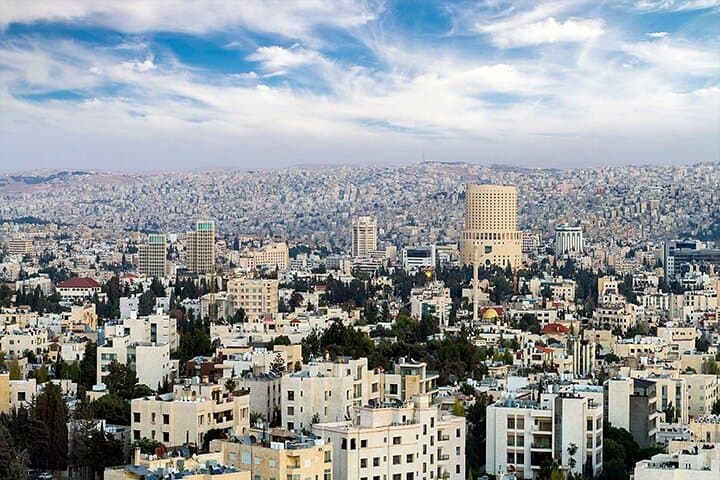

You step off the plane into the dry blue of Amman and the city’s low hills push the desert light into long shadows. Over the next seven days you move from citadel stones and Roman columns in Jerash to the narrow Siq at Petra — a 1.2 km rock-carved corridor that opens on the famous Treasury — then onward into Wadi Rum’s red sand where wind-carved towers study the sky like living geology.
You step off the plane into the dry blue of Amman and the city’s low hills push the desert light into long shadows. Over the next seven days you move from citadel stones and Roman columns in Jerash to the narrow Siq at Petra — a 1.2 km rock-carved corridor that opens on the famous Treasury — then onward into Wadi Rum’s red sand where wind-carved towers study the sky like living geology.
This route threads together Jordan’s layers: Nabatean Petra, Roman Jerash, Byzantine mosaics in Madaba and the monastic ruins on Mount Nebo. Geologically the itinerary ranges from limestone ruins and basalt terraces to Wadi Rum’s sandstone and granite escarpments; culturally you’ll encounter Ottoman-era As-Salt neighborhoods and Bedouin hospitality in desert camps.
Practical edge: expect long days of walking on uneven surfaces — the Petra classical circuit can take 3–5 hours including climbs (Monastery or High Place of Sacrifice are steep). Wadi Rum’s included 2-hour 4x4 offers brief hikes and viewpoints; Dead Sea time is for floating and skin-softening mineral mud. Temperatures swing: strong sun by day, desert nights can be chilly. Dress modestly for churches and mosques, bring a hat, layered clothing, strong walking shoes, and sun protection. Carry water and start Petra early to avoid heat and crowds; your driver-guide handles transfers and many entrance fees, but small extras (camel rides, lunches) are typically pay-as-you-go.
This itinerary balances cultural depth with outdoor moments — archaeological walking, desert drives, and the unique buoyancy of the Dead Sea — offering concentrated, walkable access to Jordan’s essential sites.