THE ADVENTURE COLLECTIVE® · Independent discovery and booking for outdoor travel

A seven-day private loop through Jordan that compresses Roman ruins, Nabatean rock-cut wonders, Bedouin desert panoramas, and the therapeutic Dead Sea into a paced, customizable itinerary. Practical tips and local insights help you plan when to walk, when to float, and what to pack.
A seven-day private loop through Jordan that compresses Roman ruins, Nabatean rock-cut wonders, Bedouin desert panoramas, and the therapeutic Dead Sea into a paced, customizable itinerary. Practical tips and local insights help you plan when to walk, when to float, and what to pack.
You step off the plane into dry, warm air and the driver welcomes you with a hand-scrawled sign and a promise: seven days to move from ancient stone to salt-flat calm. The road out of Queen Alia stretches past limestone hills that give way, day by day, to red dunes and rose-colored canyons. In Amman the city hums—calls to prayer, morning markets, a scatter of Roman columns—then, over the next week, the landscape becomes the story: Roman colonnades at Jerash, Byzantine mosaics in Madaba, the carved façades of Petra, and Wadi Rum’s moonscape where the wind has shaped cliffs into living sculpture.
Verified experiences and guided adventures in the surrounding area.
Operated by Elegant Limo Jordan · Amman, Amman Governorate
You step off the plane into dry, warm air and the driver welcomes you with a hand-scrawled sign and a promise: seven days to move from ancient stone to salt-flat calm. The road out of Queen Alia stretches past limestone hills that give way, day by day, to red dunes and rose-colored canyons. In Amman the city hums—calls to prayer, morning markets, a scatter of Roman columns—then, over the next week, the landscape becomes the story: Roman colonnades at Jerash, Byzantine mosaics in Madaba, the carved façades of Petra, and Wadi Rum’s moonscape where the wind has shaped cliffs into living sculpture.
Jordan packs layers of history into short distances. The Nabateans carved Petra’s façades from sandstone beds that were initially deposited in an ancient sea, then uplifted and sculpted by erosion. Roman engineers turned Jerash into a provincial showpiece, while Crusader and Ayyubid builders fortified the high ground at Ajloun. Madaba’s sixth-century mosaics map a late antique world of pilgrimage routes and regional trade. Wadi Rum’s granite and sandstone outcrops are geological archives—cross-bedded sandstones and volcanic intrusions that make the desert a playground for both photographers and geologists.
Culturally, the trip moves at a human scale: Bedouin tea after a jeep safari, mosaic artisans who still set tiles by hand, and Amman’s cafés where Jordanian mansaf and strong coffee anchor conversation. The Dead Sea, the tour’s pause for rest, is both recreational and curative: buoyancy here is a physical oddity and an ancient commodity.
Practical guide: obtain a Jordan Pass before arrival to cover entry to Petra and other sites and to skip some queues. Expect varied terrain—paved city streets, compact archaeological paths at Jerash, uneven sandstone steps in Petra, and soft sand in Wadi Rum—so plan footwear accordingly. Daily drives are part of the rhythm; blocks between major sites are 1–4 hours, with the longest transfer around Petra to Wadi Rum. Hydration is non-negotiable: carry at least 1.5–2 liters per day and refill where available. Sun protection and layered clothing are essential—desert days are hot, nights cool.
Timing tips: arrive in Petra early to avoid crowds and late-afternoon light; Wadi Rum is best explored by 4x4 in the cooler morning or late afternoon; schedule the Dead Sea day near the end of the trip to wash off desert dust. Tipping is customary for drivers and guides; small gestures go a long way.
This private, customizable seven-day loop is structured to move deliberately—history, landscape, and local encounters delivered with enough leisure to notice details rather than rush past them.
moderate.
7 days.
Moderate fitness: comfortable walking on uneven ground, stairs, and short hikes; able to tolerate several hours of sightseeing and periodic transfers.
Many nationalities can obtain a visa on arrival, but travelers from eligible countries save time and money with the Jordan Pass, which includes entry fees—check jordanpass.jo for details.
The Jordan Pass bundles visa waiver (when staying 3+ nights) and entrance to Petra and other sites—buying it ahead of travel streamlines entry and reduces on-site purchases.
Yes—this private tour includes accessible transport and flexible pacing; however Petra and some ruins have uneven ground and stairs—plan for shorter walks or hire local transportation inside sites where available.
Yes—optional activities like hot-air balloons over Wadi Rum or camel rides at Petra are typically available at extra cost and can be arranged in advance or through the guide.
Jordanian dinar (JOD) is standard; credit cards are widely accepted in cities and hotels but carry cash for small shops, tips, and remote areas.
Jordan is generally safe for travelers; bring routine medications, sun protection, and basic first-aid items; follow local guidance for desert excursions and avoid swimming alone at the Dead Sea due to high salinity.
Jordan’s landscapes preserve layers of civilization—from Nabatean Petra to Roman Jerash and Crusader-Ayyubid hill forts—reflecting strategic trade routes and pilgrimage paths across the Levant.
Protected-area fees and the Jordan Pass support site maintenance; avoid trampling archaeological features, carry out waste, and choose local operators that practice low-impact desert travel.
Elegant Limo Jordan operates guided outdoor trips and adventures with an emphasis on safety, stewardship, and memorable experiences.
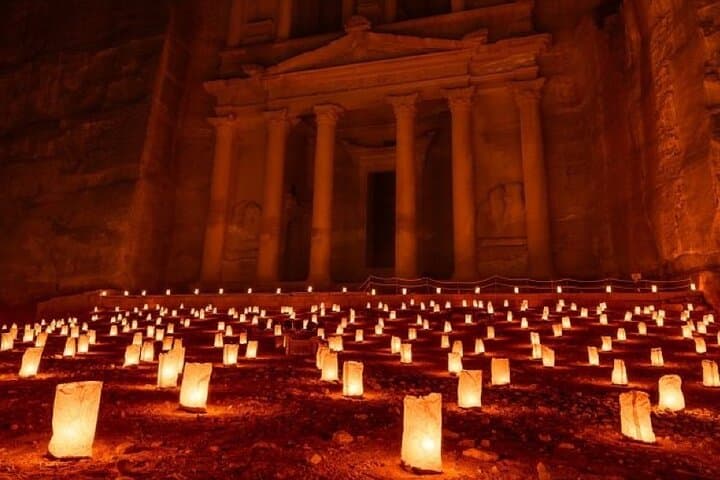


You step off the plane into dry, warm air and the driver welcomes you with a hand-scrawled sign and a promise: seven days to move from ancient stone to salt-flat calm. The road out of Queen Alia stretches past limestone hills that give way, day by day, to red dunes and rose-colored canyons. In Amman the city hums—calls to prayer, morning markets, a scatter of Roman columns—then, over the next week, the landscape becomes the story: Roman colonnades at Jerash, Byzantine mosaics in Madaba, the carved façades of Petra, and Wadi Rum’s moonscape where the wind has shaped cliffs into living sculpture.
You step off the plane into dry, warm air and the driver welcomes you with a hand-scrawled sign and a promise: seven days to move from ancient stone to salt-flat calm. The road out of Queen Alia stretches past limestone hills that give way, day by day, to red dunes and rose-colored canyons. In Amman the city hums—calls to prayer, morning markets, a scatter of Roman columns—then, over the next week, the landscape becomes the story: Roman colonnades at Jerash, Byzantine mosaics in Madaba, the carved façades of Petra, and Wadi Rum’s moonscape where the wind has shaped cliffs into living sculpture.
Jordan packs layers of history into short distances. The Nabateans carved Petra’s façades from sandstone beds that were initially deposited in an ancient sea, then uplifted and sculpted by erosion. Roman engineers turned Jerash into a provincial showpiece, while Crusader and Ayyubid builders fortified the high ground at Ajloun. Madaba’s sixth-century mosaics map a late antique world of pilgrimage routes and regional trade. Wadi Rum’s granite and sandstone outcrops are geological archives—cross-bedded sandstones and volcanic intrusions that make the desert a playground for both photographers and geologists.
Culturally, the trip moves at a human scale: Bedouin tea after a jeep safari, mosaic artisans who still set tiles by hand, and Amman’s cafés where Jordanian mansaf and strong coffee anchor conversation. The Dead Sea, the tour’s pause for rest, is both recreational and curative: buoyancy here is a physical oddity and an ancient commodity.
Practical guide: obtain a Jordan Pass before arrival to cover entry to Petra and other sites and to skip some queues. Expect varied terrain—paved city streets, compact archaeological paths at Jerash, uneven sandstone steps in Petra, and soft sand in Wadi Rum—so plan footwear accordingly. Daily drives are part of the rhythm; blocks between major sites are 1–4 hours, with the longest transfer around Petra to Wadi Rum. Hydration is non-negotiable: carry at least 1.5–2 liters per day and refill where available. Sun protection and layered clothing are essential—desert days are hot, nights cool.
Timing tips: arrive in Petra early to avoid crowds and late-afternoon light; Wadi Rum is best explored by 4x4 in the cooler morning or late afternoon; schedule the Dead Sea day near the end of the trip to wash off desert dust. Tipping is customary for drivers and guides; small gestures go a long way.
This private, customizable seven-day loop is structured to move deliberately—history, landscape, and local encounters delivered with enough leisure to notice details rather than rush past them.