THE ADVENTURE COLLECTIVE® · Independent discovery and booking for outdoor travel

A compact seven-day circuit through Jordan that pairs Petra’s carved facades with Wadi Rum’s desert drama and the buoyant Dead Sea. Expect Roman ruins, Byzantine mosaics, Bedouin nights and easy-to-manage hikes.
A compact seven-day circuit through Jordan that pairs Petra’s carved facades with Wadi Rum’s desert drama and the buoyant Dead Sea. Expect Roman ruins, Byzantine mosaics, Bedouin nights and easy-to-manage hikes.
You step through the Siq and the canyon exhales a dry, warm breath as the Treasury appears—pink rock carved with patient hands and stubborn time. Over seven days this loop threads Roman colonnades, mosaic-strewn churches, crusader castles and a desert that keeps its own clock.
Verified experiences and guided adventures in the surrounding area.
Operated by GO Aqaba Travel & Tourism · Amman, Amman Governorate
You step through the Siq and the canyon exhales a dry, warm breath as the Treasury appears—pink rock carved with patient hands and stubborn time. Over seven days this loop threads Roman colonnades, mosaic-strewn churches, crusader castles and a desert that keeps its own clock.
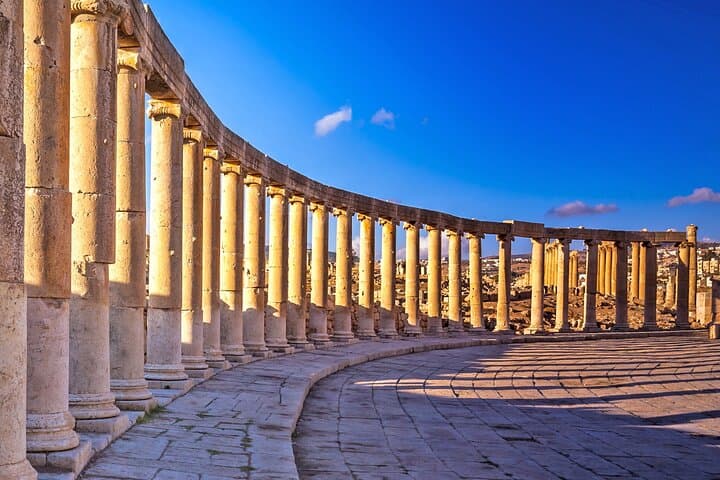
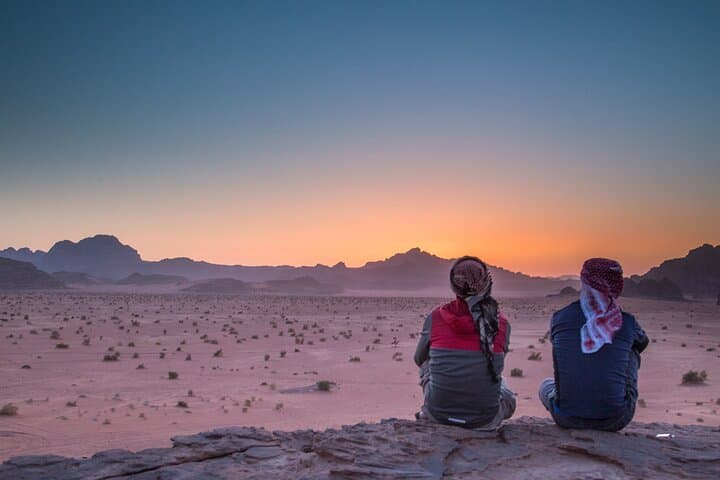
Jerash opens with an oval forum and colonnades that speak to Roman prosperity; Mount Nebo offers a wind-scoured promontory where tradition says Moses looked out over the plains. Geologically, Jordan reads like a cross-section of the region: Cambrian sandstones in Wadi Rum sculpted by wind, and the hypersaline basin of the Dead Sea that refuses to let you sink. Culturally, you’ll meet Bedouin hospitality in desert camps—tea, stories and a zarb (underground roast) dinner—while Madaba’s Byzantine mosaics map an earlier Christian landscape.
Practically, the trip balances driving days with on-foot exploration—expect several short hikes, up to 850 stone steps to Petra’s Monastery if you opt in, and a two-hour 4x4 loop in Wadi Rum. Pack layered clothing for hot days and chilly desert nights, sturdy shoes for uneven rock and a hat for relentless sun. Bring cash for local markets and tips; national-park entry and optional extras (snorkeling in Aqaba, Bethany site) are often paid locally. Swim in the Red Sea with reef-safe sunscreen; float in the Dead Sea but avoid getting salt in your eyes and don’t shave immediately beforehand. Plan for early starts to beat heat and crowds; competent guides handle logistics and many sites require modest dress. In short: this is a travel rhythm of monuments, desert silence, and salt-slick buoyancy—rich in history and straightforward to prepare for.
moderate.
7 days.
Suitable for travelers in average shape comfortable with several short hikes, stairs and periods of walking on uneven terrain.
This tour lists a free visa upon arrival in inclusions for many nationalities, but check your nationality’s visa rules before travel; some travelers still benefit from a Jordan Pass.
The tour is moderate: mostly vehicle transfers with walking at archaeological sites, uneven paths and optional climbs (up to 850 steps to Petra’s Monastery) so basic fitness and mobility are needed.
Yes—Aqaba offers snorkeling in the Red Sea (reef-safe sunscreen recommended); at the Dead Sea you’ll float but should avoid getting salt in eyes and not submerge your head.
The booking’s stated policy offers a full refund if canceled at least 24 hours before departure—confirm specifics with the operator at time of booking.
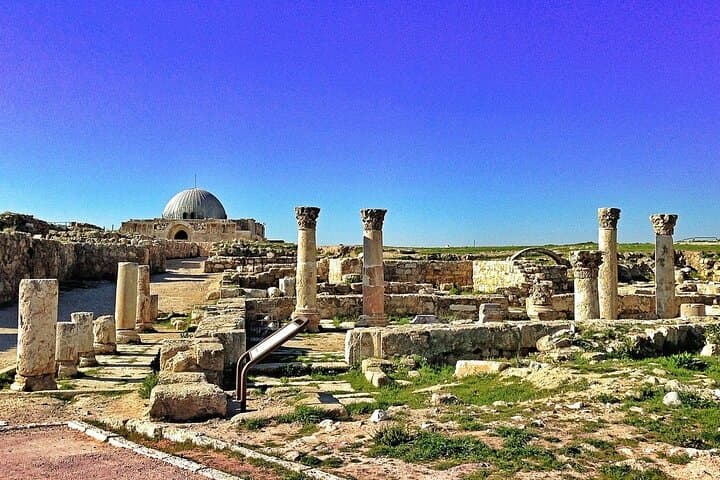
The route threads Nabataean Petra, Roman Jerash and Crusader Kerak—plus Wadi Rum’s association with Lawrence of Arabia—offering layered eras visible in stone.
Petra and Wadi Rum manage visitor impact through designated paths and licensed guides; stay on trails, avoid removing artifacts and use reef-safe sunscreen in Aqaba to protect marine life.
GO Aqaba Travel & Tourism operates guided outdoor trips and adventures with an emphasis on safety, stewardship, and memorable experiences.
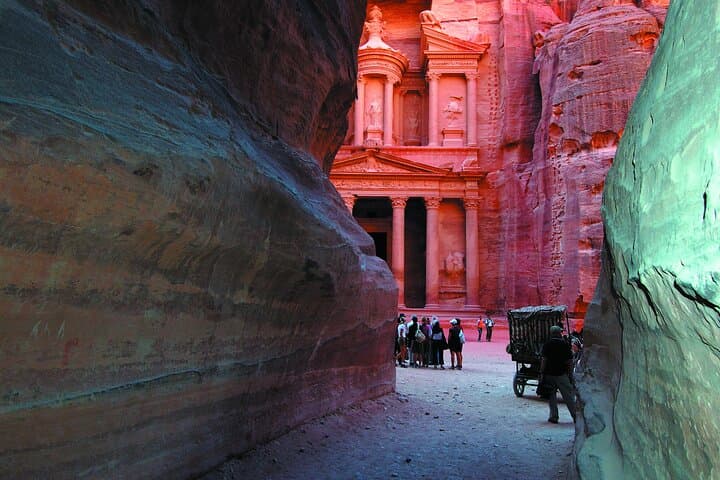
You step through the Siq and the canyon exhales a dry, warm breath as the Treasury appears—pink rock carved with patient hands and stubborn time. Over seven days this loop threads Roman colonnades, mosaic-strewn churches, crusader castles and a desert that keeps its own clock.
You step through the Siq and the canyon exhales a dry, warm breath as the Treasury appears—pink rock carved with patient hands and stubborn time. Over seven days this loop threads Roman colonnades, mosaic-strewn churches, crusader castles and a desert that keeps its own clock.
Jerash opens with an oval forum and colonnades that speak to Roman prosperity; Mount Nebo offers a wind-scoured promontory where tradition says Moses looked out over the plains. Geologically, Jordan reads like a cross-section of the region: Cambrian sandstones in Wadi Rum sculpted by wind, and the hypersaline basin of the Dead Sea that refuses to let you sink. Culturally, you’ll meet Bedouin hospitality in desert camps—tea, stories and a zarb (underground roast) dinner—while Madaba’s Byzantine mosaics map an earlier Christian landscape.
Practically, the trip balances driving days with on-foot exploration—expect several short hikes, up to 850 stone steps to Petra’s Monastery if you opt in, and a two-hour 4x4 loop in Wadi Rum. Pack layered clothing for hot days and chilly desert nights, sturdy shoes for uneven rock and a hat for relentless sun. Bring cash for local markets and tips; national-park entry and optional extras (snorkeling in Aqaba, Bethany site) are often paid locally. Swim in the Red Sea with reef-safe sunscreen; float in the Dead Sea but avoid getting salt in your eyes and don’t shave immediately beforehand. Plan for early starts to beat heat and crowds; competent guides handle logistics and many sites require modest dress. In short: this is a travel rhythm of monuments, desert silence, and salt-slick buoyancy—rich in history and straightforward to prepare for.