THE ADVENTURE COLLECTIVE® · Independent discovery and booking for outdoor travel

Spend seven days traversing Morocco’s imperial centers from Casablanca to Marrakech. This private group tour blends Roman ruins, royal mausoleums, bustling medinas, and artisan workshops with daily guided walks and vehicle transfers.
Spend seven days traversing Morocco’s imperial centers from Casablanca to Marrakech. This private group tour blends Roman ruins, royal mausoleums, bustling medinas, and artisan workshops with daily guided walks and vehicle transfers.
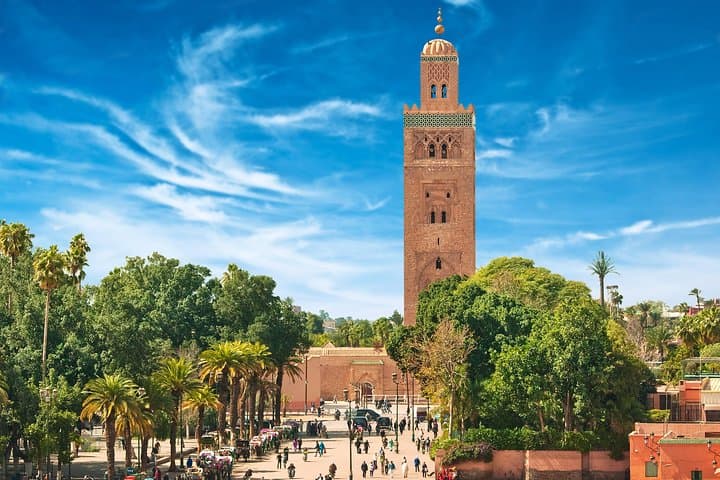
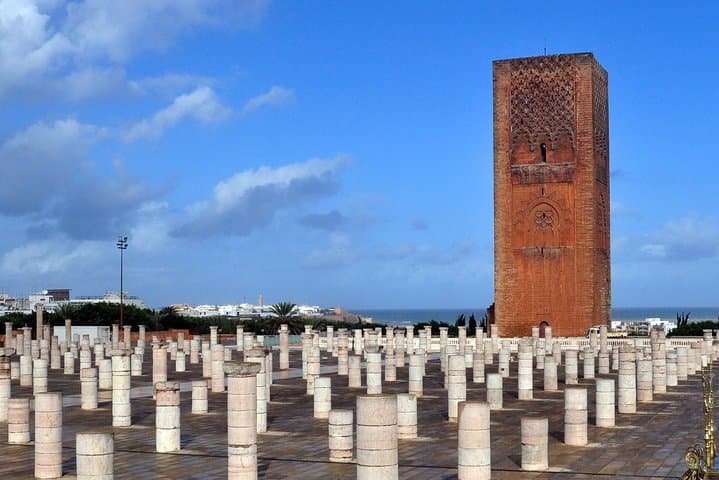
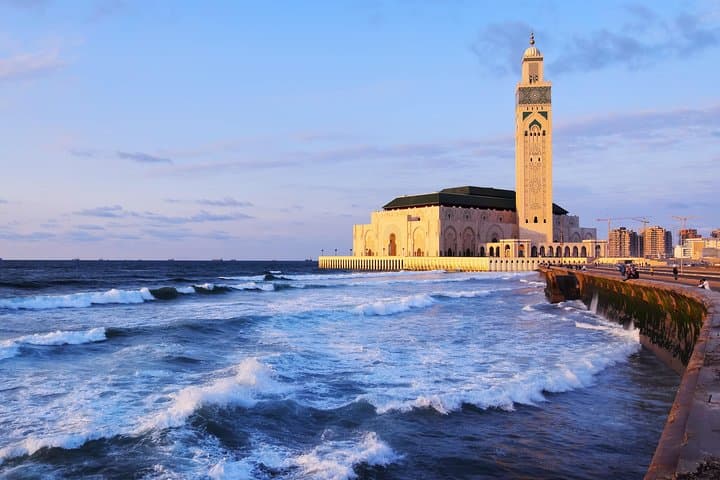
The Atlantic wind meets the marble steps of Hassan II Mosque as the group disembarks in Casablanca — the ocean seems to push the city awake while minarets puncture the sky. Over seven days travelers move inland: Rabat’s unfinished Hassan Tower watches over manicured mausoleums, Volubilis’ stone mosaics whisper Roman administrators’ names, and Fes’ medina insists you slow to its rhythm before Marrakech’s square erupts into evening theater.
Verified experiences and guided adventures in the surrounding area.
Operated by Wanderlust Voyages · Casablanca, Casablanca-Settat
The Atlantic wind meets the marble steps of Hassan II Mosque as the group disembarks in Casablanca — the ocean seems to push the city awake while minarets puncture the sky. Over seven days travelers move inland: Rabat’s unfinished Hassan Tower watches over manicured mausoleums, Volubilis’ stone mosaics whisper Roman administrators’ names, and Fes’ medina insists you slow to its rhythm before Marrakech’s square erupts into evening theater.
These imperial cities trace Morocco’s shifting dynasties: Roman Mauretania at Volubilis, Almohad and Alaouite dynasties in Rabat and Meknes, and centuries of craft in Fes where the Al-Quaraouiyine University (859 CE) still teaches. Geology matters too — fertile plains around Meknes feed olive groves and the Atlas foothills frame the southern approach to Marrakech, their worn ridges steering weather and settlement.
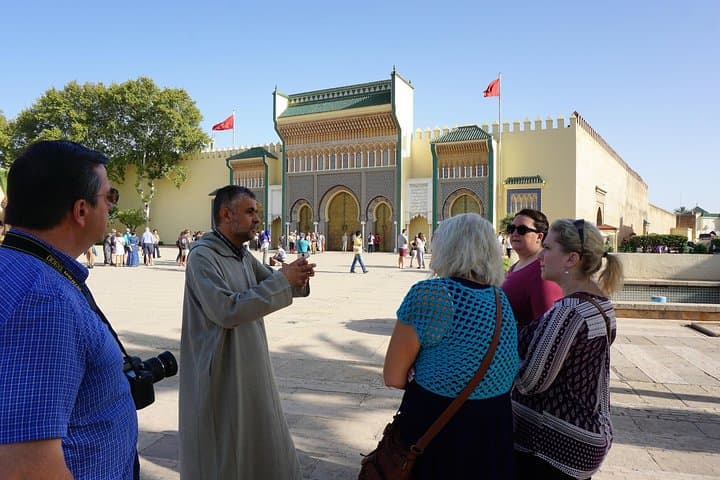
Expect guided walking tours each day with vehicle transfers between cities, short uphill viewpoints like Borj Sud in Fes, and time in souks where craftsmen still work by hand. Practical notes: wear broken-in walking shoes for uneven cobbles, carry a refillable water bottle (bottled water provided), and pack a light layer for coastal evenings. Plan mornings for major sites to avoid crowds; medina alleyways are lively and narrow — keep valuables close and follow your guide through busy passages.
This itinerary balances historical depth with manageable daily travel, delivering architecture, food, and craft in a rhythm that’s family-friendly but rich in local detail.
easy.
7 days.
Light to moderate fitness; comfortable walking and short stairs/uneven surfaces required.
Yes—the itinerary is family-friendly with gentle walking and vehicle transfers; children must share a room with an adult per booking rules.
Most breakfasts, several lunches, entrance to specified sites like Hassan II Mosque and Volubilis are included; check the full inclusions list for details.
Expect daily walking tours of several hours in medinas and archaeological sites with intermittent transport between cities; pace is moderate and suitable for most fitness levels.
Tours may be operated by multilingual guides, but confirm your preferred language at booking to ensure availability.
The route links sites from Roman Volubilis (3rd century BCE) through successive Moroccan dynasties; Fes houses Al-Quaraouiyine, founded in 859 CE, one of the world’s oldest universities.
Medinas face wear from heavy foot traffic and limited water resources; travelers should support local cooperatives, minimize single-use plastics, and follow guides’ instructions to protect fragile sites.
Wanderlust Voyages operates guided outdoor trips and adventures with an emphasis on safety, stewardship, and memorable experiences.
The Atlantic wind meets the marble steps of Hassan II Mosque as the group disembarks in Casablanca — the ocean seems to push the city awake while minarets puncture the sky. Over seven days travelers move inland: Rabat’s unfinished Hassan Tower watches over manicured mausoleums, Volubilis’ stone mosaics whisper Roman administrators’ names, and Fes’ medina insists you slow to its rhythm before Marrakech’s square erupts into evening theater.
The Atlantic wind meets the marble steps of Hassan II Mosque as the group disembarks in Casablanca — the ocean seems to push the city awake while minarets puncture the sky. Over seven days travelers move inland: Rabat’s unfinished Hassan Tower watches over manicured mausoleums, Volubilis’ stone mosaics whisper Roman administrators’ names, and Fes’ medina insists you slow to its rhythm before Marrakech’s square erupts into evening theater.
These imperial cities trace Morocco’s shifting dynasties: Roman Mauretania at Volubilis, Almohad and Alaouite dynasties in Rabat and Meknes, and centuries of craft in Fes where the Al-Quaraouiyine University (859 CE) still teaches. Geology matters too — fertile plains around Meknes feed olive groves and the Atlas foothills frame the southern approach to Marrakech, their worn ridges steering weather and settlement.
Expect guided walking tours each day with vehicle transfers between cities, short uphill viewpoints like Borj Sud in Fes, and time in souks where craftsmen still work by hand. Practical notes: wear broken-in walking shoes for uneven cobbles, carry a refillable water bottle (bottled water provided), and pack a light layer for coastal evenings. Plan mornings for major sites to avoid crowds; medina alleyways are lively and narrow — keep valuables close and follow your guide through busy passages.
This itinerary balances historical depth with manageable daily travel, delivering architecture, food, and craft in a rhythm that’s family-friendly but rich in local detail.