THE ADVENTURE COLLECTIVE® · Independent discovery and booking for outdoor travel

A seven-day horse trek from Kharkhorin travels through Orkhon Valley, lava fields and the Eight Lakes, combining centuries of history with raw, high-steppe scenery. Expect multi-hour rides, ger stays, and cool, changeable weather at higher elevations.
A seven-day horse trek from Kharkhorin travels through Orkhon Valley, lava fields and the Eight Lakes, combining centuries of history with raw, high-steppe scenery. Expect multi-hour rides, ger stays, and cool, changeable weather at higher elevations.
You step off the six-hour local bus and the steppe opens—wind pressing across wide meadows, horses flicking tails against a horizon of low volcanic ridges. The first night is in Kharkhorin’s ger guesthouse; by morning you’ll be astride for a week that moves through larch forests, lava-strewn passes and cool montane basins.
Verified experiences and guided adventures in the surrounding area.
Operated by Mongolian Vision Tours · Kharkhorin, Övörkhangai
You step off the six-hour local bus and the steppe opens—wind pressing across wide meadows, horses flicking tails against a horizon of low volcanic ridges. The first night is in Kharkhorin’s ger guesthouse; by morning you’ll be astride for a week that moves through larch forests, lava-strewn passes and cool montane basins.
This route threads history and geology: Kharkhorin (Karakorum) was the 13th-century seat of the Mongol Empire and the Erdene Zuu monastery rests on its ancient foundations. Geologically, the Orkhon Valley drains high plateau waters into wide river terraces; lava fields near the Eight Lakes make horse trails stony and demanding. Cultural moments are plain and immediate—yak milk tea at a nomadic family’s ger, playing anklebones after dinner, and the remote Tuvkhun monastery where Zanabazar developed the Soyombo script.
Practically, expect long riding days (up to 4–5 hours between camps), mixed terrain and altitudes climbing toward 2,300 m at Tuvkhun. Temperatures can swing fast—snow is possible even in late summer—so layer and prepare for wind and sun. Pack a compact sleeping bag for tent nights and bring gloves to ride; local guides provide horses, basic gear and meals (6 breakfasts, lunches and dinners are included).
If you want solitude, aim for early morning rides and midweek departures from Kharkhorin. Respect grazing patterns: stick to established trails, carry out waste, and let nomadic hosts lead livestock interactions. The trek is straightforward to organize but richly rewarding—horseback is the practical way to feel Mongolia’s scale and pace.
moderate.
7 days.
Good general fitness for multi-hour rides and short hikes; ability to mount/dismount and sit in saddle for 4–5 hours is required.
Basic riding experience helps but beginners can join; guides match horses to riders and give instruction—notify the operator of experience level before arrival.
Nights alternate between ger guesthouses with nomadic families and tents; expect simple amenities and communal meals supplied by hosts.
The itinerary is family-friendly in principle, but long saddle hours and rugged terrain mean suitability depends on individual stamina; consult the operator for tailored arrangements.
Late June to early September offers the warmest travel conditions, though high-altitude areas can remain cool and occasional snow in August or September is possible.
Kharkhorin (Karakorum) served as the Mongol Empire’s capital in the 13th century; Erdene Zuu monastery was later built on its ruins in 1586 and survived 20th-century purges as a museum site.
The Orkhon Valley is a UNESCO cultural landscape—stay on trails, limit waste, and respect nomadic grazing rotations to reduce impact.
Mongolian Vision Tours operates guided outdoor trips and adventures with an emphasis on safety, stewardship, and memorable experiences.
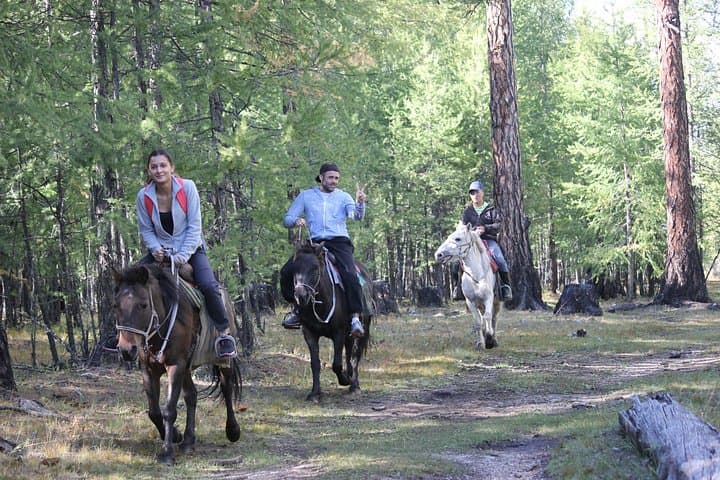
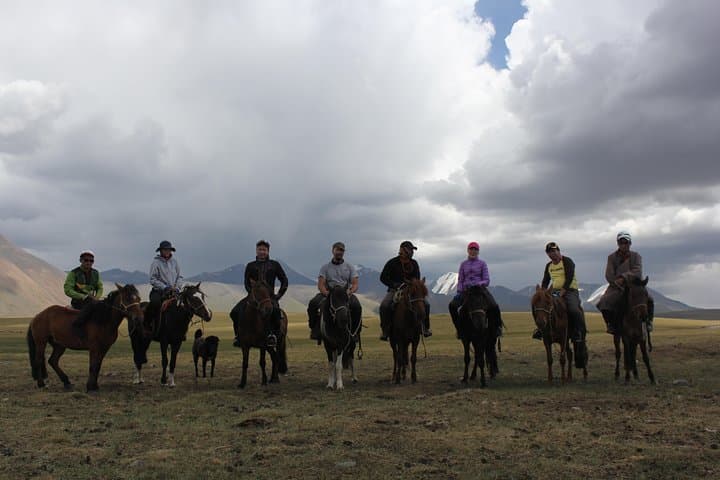
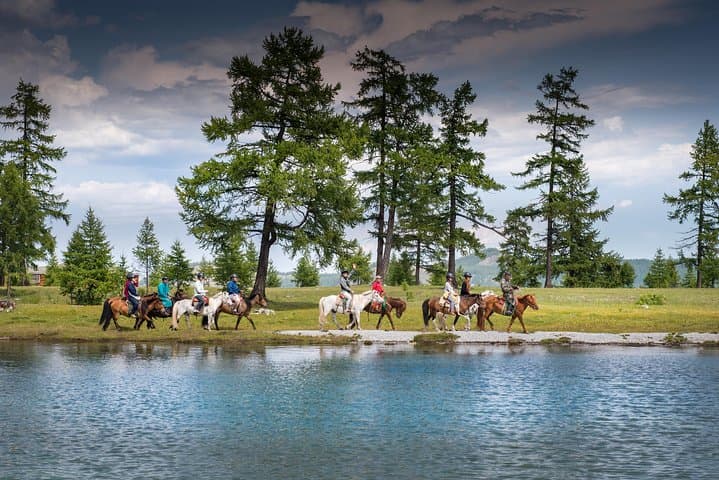
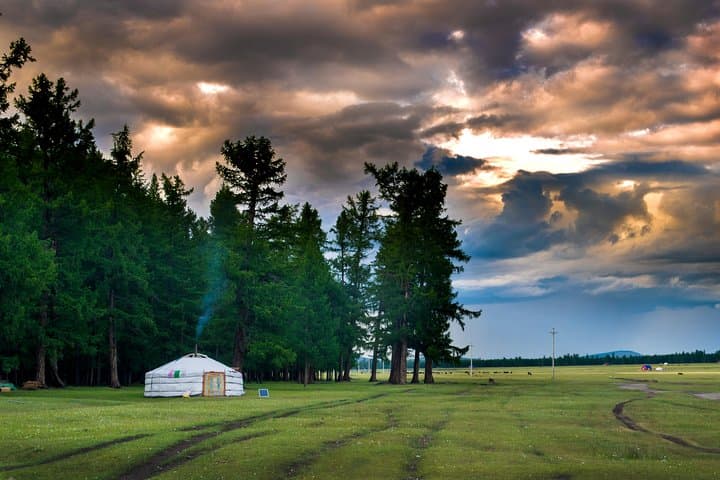
You step off the six-hour local bus and the steppe opens—wind pressing across wide meadows, horses flicking tails against a horizon of low volcanic ridges. The first night is in Kharkhorin’s ger guesthouse; by morning you’ll be astride for a week that moves through larch forests, lava-strewn passes and cool montane basins.
You step off the six-hour local bus and the steppe opens—wind pressing across wide meadows, horses flicking tails against a horizon of low volcanic ridges. The first night is in Kharkhorin’s ger guesthouse; by morning you’ll be astride for a week that moves through larch forests, lava-strewn passes and cool montane basins.
This route threads history and geology: Kharkhorin (Karakorum) was the 13th-century seat of the Mongol Empire and the Erdene Zuu monastery rests on its ancient foundations. Geologically, the Orkhon Valley drains high plateau waters into wide river terraces; lava fields near the Eight Lakes make horse trails stony and demanding. Cultural moments are plain and immediate—yak milk tea at a nomadic family’s ger, playing anklebones after dinner, and the remote Tuvkhun monastery where Zanabazar developed the Soyombo script.
Practically, expect long riding days (up to 4–5 hours between camps), mixed terrain and altitudes climbing toward 2,300 m at Tuvkhun. Temperatures can swing fast—snow is possible even in late summer—so layer and prepare for wind and sun. Pack a compact sleeping bag for tent nights and bring gloves to ride; local guides provide horses, basic gear and meals (6 breakfasts, lunches and dinners are included).
If you want solitude, aim for early morning rides and midweek departures from Kharkhorin. Respect grazing patterns: stick to established trails, carry out waste, and let nomadic hosts lead livestock interactions. The trek is straightforward to organize but richly rewarding—horseback is the practical way to feel Mongolia’s scale and pace.