THE ADVENTURE COLLECTIVE® · Independent discovery and booking for outdoor travel

Move from Saigon’s lively streets to the Mekong’s floating markets and finish on Phu Quoc’s white sand in seven days. This private multi-day itinerary blends cultural immersion, river cruising, and beach time with clear logistics and early starts for the best light.
Move from Saigon’s lively streets to the Mekong’s floating markets and finish on Phu Quoc’s white sand in seven days. This private multi-day itinerary blends cultural immersion, river cruising, and beach time with clear logistics and early starts for the best light.
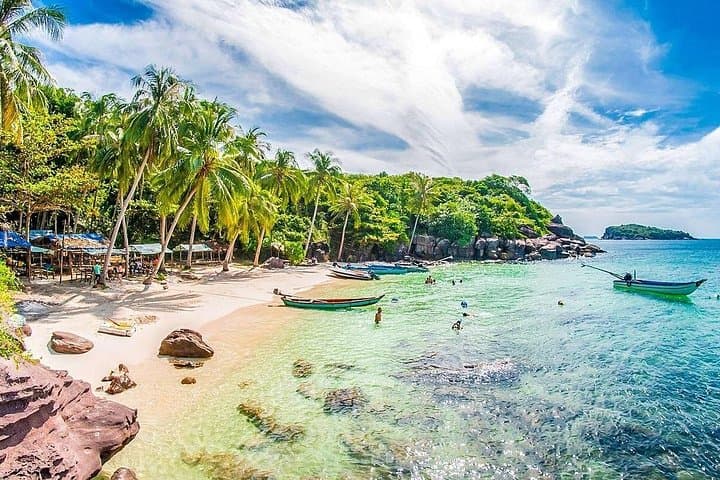
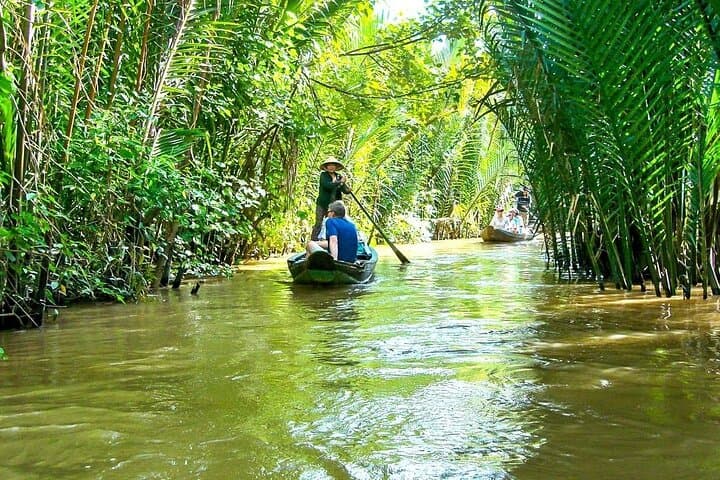
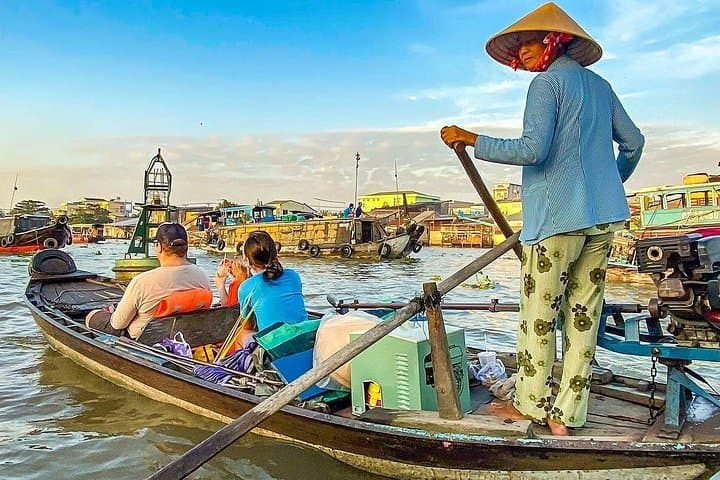
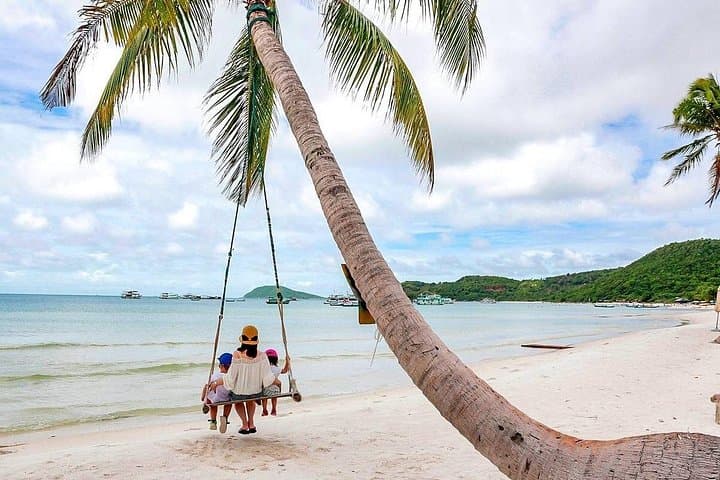
Touch down in Ho Chi Minh City and the air hits you warm and humid, motorbikes threading through the morning like a moving current. Within 48 hours you’ll trade the city’s colonial architecture and busy markets for the slow, braided canals of the Mekong Delta—long-tail boats cutting reflections, fruit crates bobbing at the Cai Rang Floating Market—and then, by the weekend, white sand and tropical surf on Phu Quoc.
Verified experiences and guided adventures in the surrounding area.
Operated by Travel China Guide · Ho Chi Minh City, Ho Chi Minh
Touch down in Ho Chi Minh City and the air hits you warm and humid, motorbikes threading through the morning like a moving current. Within 48 hours you’ll trade the city’s colonial architecture and busy markets for the slow, braided canals of the Mekong Delta—long-tail boats cutting reflections, fruit crates bobbing at the Cai Rang Floating Market—and then, by the weekend, white sand and tropical surf on Phu Quoc.
Ho Chi Minh City (Saigon) is recent history and rapid reinvention: French-era boulevards alongside glass towers. The Mekong Delta has been building itself for millennia, an ever-changing alluvial landscape where rice paddies and orchards shift with the tides. Phu Quoc, once a quiet fishing and pepper-producing island, now offers coral-fringed bays and reef snorkeling.
Expect early mornings: private motorboats depart around 6 a.m. to see Cai Rang at its busiest (peak about 7–8 a.m.). Road transfers between HCMC, Ben Tre, and Can Tho are typically two hours each leg; flights between Phu Quoc and HCMC are about an hour. Bring cash for small purchases and be ready to haggle for boat excursions to nearby islets.
Practical notes: pack reef-safe sunscreen, a light rain jacket for brief tropical downpours, and comfortable shoes for uneven village paths. If you rent a scooter on Phu Quoc, always wear a helmet. Hydrate often—the heat and salt air push your body’s limits faster than you feel. With straightforward logistics and a mix of urban energy, river life, and island calm, this seven-day route moves at a traveler's pace: active, varied, and imminently doable.
easy.
7 days.
Suitable for travelers with average fitness; involves short walks, boat rides, and occasional uneven village paths.
This tour includes economy airfare for the Phu Quoc–Ho Chi Minh City segment and the speedboat ticket Rach Gia–Phu Quoc as listed in the inclusions.
Yes—the itinerary is rated easy and suitable for most fitness levels; mornings can be early and some transfers are a couple hours by vehicle.
Visa requirements depend on your nationality; check Vietnam’s official immigration site or your embassy for up-to-date entry rules before booking.
Yes—many water activities are optional on free days; negotiate prices locally and confirm safety standards before booking.
Ho Chi Minh City grew from the river port of Saigon and was renamed after 1975; the Mekong Delta has long been Vietnam’s rice bowl, shaped by sediment and seasonal floods.
Support local initiatives by avoiding single-use plastics, choosing reef-safe sunscreen, and respecting mangrove areas—these ecosystems are vulnerable to tourism pressure.
Travel China Guide operates guided outdoor trips and adventures with an emphasis on safety, stewardship, and memorable experiences.
Touch down in Ho Chi Minh City and the air hits you warm and humid, motorbikes threading through the morning like a moving current. Within 48 hours you’ll trade the city’s colonial architecture and busy markets for the slow, braided canals of the Mekong Delta—long-tail boats cutting reflections, fruit crates bobbing at the Cai Rang Floating Market—and then, by the weekend, white sand and tropical surf on Phu Quoc.
Touch down in Ho Chi Minh City and the air hits you warm and humid, motorbikes threading through the morning like a moving current. Within 48 hours you’ll trade the city’s colonial architecture and busy markets for the slow, braided canals of the Mekong Delta—long-tail boats cutting reflections, fruit crates bobbing at the Cai Rang Floating Market—and then, by the weekend, white sand and tropical surf on Phu Quoc.
Ho Chi Minh City (Saigon) is recent history and rapid reinvention: French-era boulevards alongside glass towers. The Mekong Delta has been building itself for millennia, an ever-changing alluvial landscape where rice paddies and orchards shift with the tides. Phu Quoc, once a quiet fishing and pepper-producing island, now offers coral-fringed bays and reef snorkeling.
Expect early mornings: private motorboats depart around 6 a.m. to see Cai Rang at its busiest (peak about 7–8 a.m.). Road transfers between HCMC, Ben Tre, and Can Tho are typically two hours each leg; flights between Phu Quoc and HCMC are about an hour. Bring cash for small purchases and be ready to haggle for boat excursions to nearby islets.
Practical notes: pack reef-safe sunscreen, a light rain jacket for brief tropical downpours, and comfortable shoes for uneven village paths. If you rent a scooter on Phu Quoc, always wear a helmet. Hydrate often—the heat and salt air push your body’s limits faster than you feel. With straightforward logistics and a mix of urban energy, river life, and island calm, this seven-day route moves at a traveler's pace: active, varied, and imminently doable.