THE ADVENTURE COLLECTIVE® · Independent discovery and booking for outdoor travel

A private seven-day route through Sri Lanka’s Cultural Triangle, hill country, and capital—this guided journey pairs Sigiriya’s rock fortress and Polonnaruwa’s ruins with tea estates, Kandy’s traditions, and Colombo’s coastal energy. Perfect for travelers seeking a seamless, culturally rich introduction to the island.
A private seven-day route through Sri Lanka’s Cultural Triangle, hill country, and capital—this guided journey pairs Sigiriya’s rock fortress and Polonnaruwa’s ruins with tea estates, Kandy’s traditions, and Colombo’s coastal energy. Perfect for travelers seeking a seamless, culturally rich introduction to the island.
The morning light hits the red laterite of Sigiriya and the rock seems to exhale—steam of heat from sun-warmed stone rising into a wide sky. Travelers step from the air-conditioned van and into a landscape where monsoon-fed greenery pushes against ancient masonry. Over the next seven days, a private English-speaking chauffeur-guide becomes both map and storyteller, steering through tea-slick hills, crumbling royal complexes, and maritime cityscapes that still hum with colonial-era trade.
Verified experiences and guided adventures in the surrounding area.
Operated by Colacs Tours · Sigiriya, Central Province
The morning light hits the red laterite of Sigiriya and the rock seems to exhale—steam of heat from sun-warmed stone rising into a wide sky. Travelers step from the air-conditioned van and into a landscape where monsoon-fed greenery pushes against ancient masonry. Over the next seven days, a private English-speaking chauffeur-guide becomes both map and storyteller, steering through tea-slick hills, crumbling royal complexes, and maritime cityscapes that still hum with colonial-era trade.
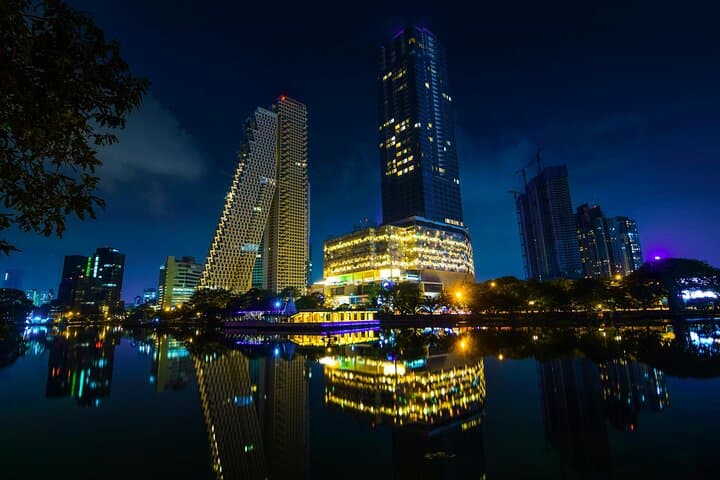
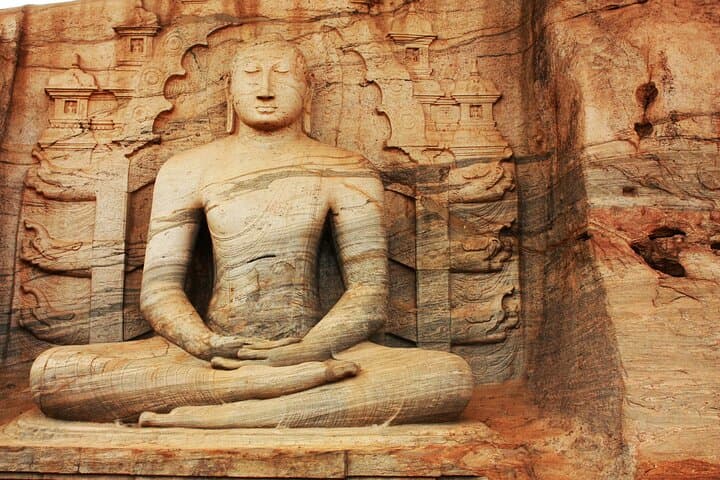
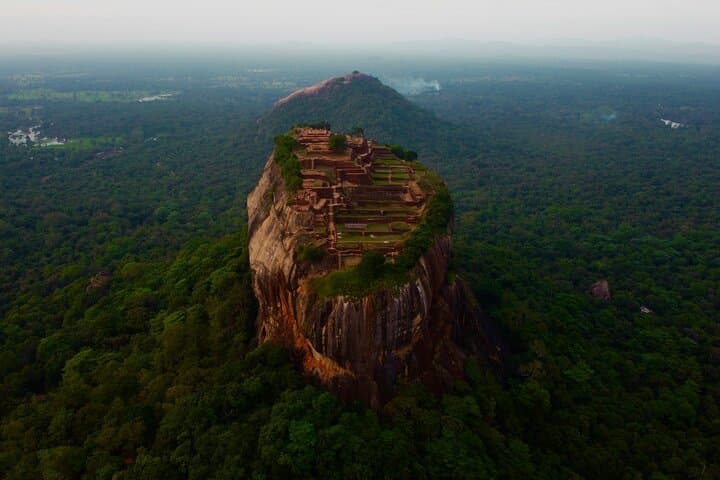
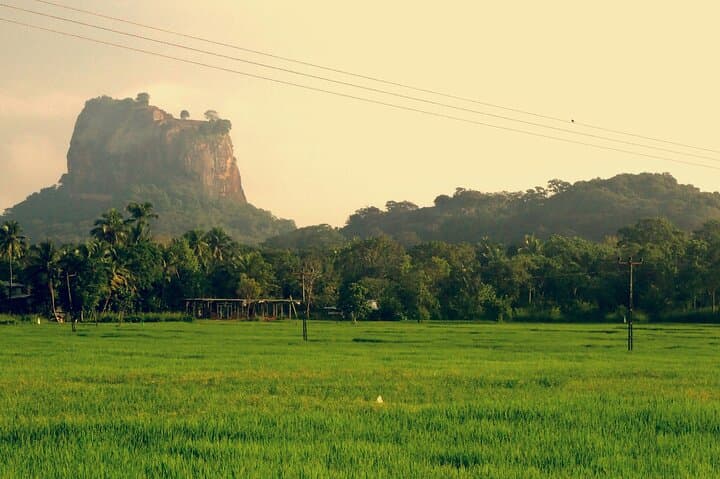
This itinerary threads together Sri Lanka’s headline sites and quieter cultural corners. Sigiriya’s rock fortress, built in the 5th century by King Kasyapa, is more than a climb; it’s a climb through time—frescoed galleries, the Mirror Wall, and a plateau that gives panoramic claim over the dry zone. Polonnaruwa follows, a medieval capital of stone Buddhas and royal reservoirs that showcase early hydraulic engineering. Kandy holds the Temple of the Tooth and a living urban culture tied to Buddhist ritual, while Nuwara Eliya pulls the temperature down at roughly 1,800 meters, where tea estates ripple like cultivated waves. The final leg drops into Colombo for coastal parks, colonial architecture, and markets that sell everything from handloom to spices.
Geology and climate shape each stop. The island’s central massif forces rain out of passing clouds, feeding the waterfalls visible on the drive to Nuwara Eliya. The Cultural Triangle sits on ancient dry-zone plains, where irrigation tanks built centuries ago still support farms and villages. Cultural threads—Buddhist kingship, colonial commerce, and the island’s global reputation for Ceylon tea—are visible in ruins, temples, and factory tours.
Practical guidance is part of the story. Expect about 4 hours on the road from the airport to Sigiriya, a 1.5–2 hour ascent at Sigiriya Rock (staircase and uneven stone steps), 2–3 hours between Polonnaruwa and Kandy, and roughly 5–6 hours descending from hill country to Colombo. Pack for variety: breathable layers for humid lowlands; a warm shell for misty highlands; sturdy walking shoes for uneven stone and steps; a daypack with 1–2 liters of water for hikes. Local food is accessible and flavorful—try rice-and-curry dinners included on some nights—but ask guides about spice levels and food safety if you have dietary restrictions.
This private tour reduces logistic friction: airport pickup at Bandaranaike (CMB), entrance fees, and midrange hotel rooms are included. Still, plan for moderate fitness—some sites require stair climbs and uneven walking. Time your Sigiriya ascent for early morning or late afternoon to avoid midday heat and to catch the best light.
On a practical note, carry cash for small purchases and tips, keep passport copies with you, and confirm pickup details ahead of arrival. With a thoughtful balance of history, landscape, and contemporary life, this seven-day circuit offers focused discovery without the rush—an introduction to Sri Lanka’s layers, read at an unhurried pace.
moderate.
7 days.
Moderate fitness—comfortable walking, some stair climbs and multiple days of travel; not suitable for those with serious mobility limits
Most nationalities need an ETA (Electronic Travel Authorization) before arrival; check Sri Lanka’s immigration website and secure your ETA in advance.
Infant seats are available and the tour can accommodate families, but note the itinerary includes climbs and long drives that may be tiring for very young children.
Guides are English-speaking; they can usually provide basic translation and local context, and they will arrange local-language interactions when needed.
Entrance fees for the main attractions listed (like Sigiriya) are included according to the itinerary, but optional activities may require extra fees on site.
Yes—communicate dietary needs when booking and again with your guide; most restaurants and hotels can prepare milder or vegetarian versions of local dishes.
Full refund is available if you cancel at least 24 hours before departure; cancellations inside 24 hours are non-refundable.
Sigiriya was fortified in the 5th century by King Kasyapa; Polonnaruwa later served as Sri Lanka’s medieval capital and a center of hydraulic innovation.
Respect archaeological sites by staying on marked paths and avoid feeding wildlife; support local guides and small businesses to keep tourism benefits local.
Colacs Tours operates guided outdoor trips and adventures with an emphasis on safety, stewardship, and memorable experiences.
The morning light hits the red laterite of Sigiriya and the rock seems to exhale—steam of heat from sun-warmed stone rising into a wide sky. Travelers step from the air-conditioned van and into a landscape where monsoon-fed greenery pushes against ancient masonry. Over the next seven days, a private English-speaking chauffeur-guide becomes both map and storyteller, steering through tea-slick hills, crumbling royal complexes, and maritime cityscapes that still hum with colonial-era trade.
The morning light hits the red laterite of Sigiriya and the rock seems to exhale—steam of heat from sun-warmed stone rising into a wide sky. Travelers step from the air-conditioned van and into a landscape where monsoon-fed greenery pushes against ancient masonry. Over the next seven days, a private English-speaking chauffeur-guide becomes both map and storyteller, steering through tea-slick hills, crumbling royal complexes, and maritime cityscapes that still hum with colonial-era trade.
This itinerary threads together Sri Lanka’s headline sites and quieter cultural corners. Sigiriya’s rock fortress, built in the 5th century by King Kasyapa, is more than a climb; it’s a climb through time—frescoed galleries, the Mirror Wall, and a plateau that gives panoramic claim over the dry zone. Polonnaruwa follows, a medieval capital of stone Buddhas and royal reservoirs that showcase early hydraulic engineering. Kandy holds the Temple of the Tooth and a living urban culture tied to Buddhist ritual, while Nuwara Eliya pulls the temperature down at roughly 1,800 meters, where tea estates ripple like cultivated waves. The final leg drops into Colombo for coastal parks, colonial architecture, and markets that sell everything from handloom to spices.
Geology and climate shape each stop. The island’s central massif forces rain out of passing clouds, feeding the waterfalls visible on the drive to Nuwara Eliya. The Cultural Triangle sits on ancient dry-zone plains, where irrigation tanks built centuries ago still support farms and villages. Cultural threads—Buddhist kingship, colonial commerce, and the island’s global reputation for Ceylon tea—are visible in ruins, temples, and factory tours.
Practical guidance is part of the story. Expect about 4 hours on the road from the airport to Sigiriya, a 1.5–2 hour ascent at Sigiriya Rock (staircase and uneven stone steps), 2–3 hours between Polonnaruwa and Kandy, and roughly 5–6 hours descending from hill country to Colombo. Pack for variety: breathable layers for humid lowlands; a warm shell for misty highlands; sturdy walking shoes for uneven stone and steps; a daypack with 1–2 liters of water for hikes. Local food is accessible and flavorful—try rice-and-curry dinners included on some nights—but ask guides about spice levels and food safety if you have dietary restrictions.
This private tour reduces logistic friction: airport pickup at Bandaranaike (CMB), entrance fees, and midrange hotel rooms are included. Still, plan for moderate fitness—some sites require stair climbs and uneven walking. Time your Sigiriya ascent for early morning or late afternoon to avoid midday heat and to catch the best light.
On a practical note, carry cash for small purchases and tips, keep passport copies with you, and confirm pickup details ahead of arrival. With a thoughtful balance of history, landscape, and contemporary life, this seven-day circuit offers focused discovery without the rush—an introduction to Sri Lanka’s layers, read at an unhurried pace.