THE ADVENTURE COLLECTIVE® · Independent discovery and booking for outdoor travel

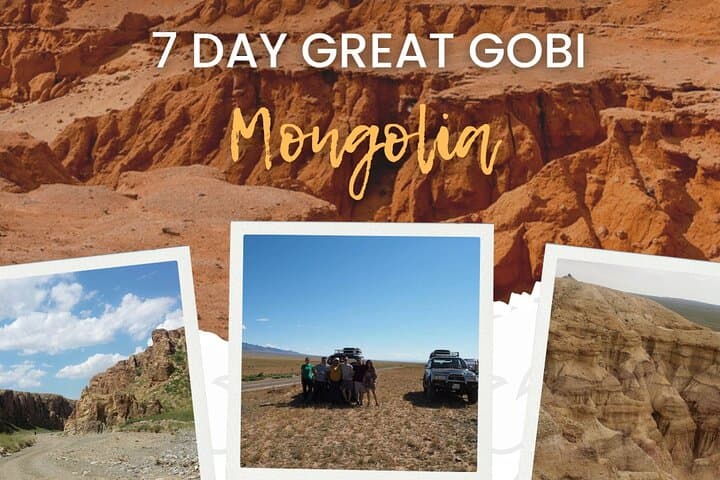
Traverse seven days of Mongolia’s Gobi: granite monoliths, ice-filled gorges, dinosaur-rich cliffs and the singing Khongoryn dunes. This practical tour pairs short hikes and cultural stays with extended driving across dramatic desert terrain.
Traverse seven days of Mongolia’s Gobi: granite monoliths, ice-filled gorges, dinosaur-rich cliffs and the singing Khongoryn dunes. This practical tour pairs short hikes and cultural stays with extended driving across dramatic desert terrain.
A wind-toughened ger sits under a wide blue sky as the minivan slides off the paved road — that moment defines a week in the Gobi. On this seven-day circuit travelers move from granite outcrops and museum stops to narrow ice-hugged canyons and a sea of sand that sings when you walk it. The landscape shifts as quickly as the light: granite peaks at Ikh Gazriin Chuluu give way to the chalky strata of Tsagaan Suvarga, then the narrow, shadowed Yolyn Am where ice can persist into summer.
Verified experiences and guided adventures in the surrounding area.
Operated by Danista Nomads Tour · Ulaanbaatar, Ömnögovi
A wind-toughened ger sits under a wide blue sky as the minivan slides off the paved road — that moment defines a week in the Gobi. On this seven-day circuit travelers move from granite outcrops and museum stops to narrow ice-hugged canyons and a sea of sand that sings when you walk it. The landscape shifts as quickly as the light: granite peaks at Ikh Gazriin Chuluu give way to the chalky strata of Tsagaan Suvarga, then the narrow, shadowed Yolyn Am where ice can persist into summer.
Historically these places lie on the edges of nomadic life and the fossil-rich Flaming Cliffs (Bayanzag) where 1920s paleontologists first unearthed dinosaur eggs. Geologically the region ranges from 1706m granite monoliths to wind-carved badlands and the Khongoryn Els dunes — dunes that reach roughly 200 m in places and stretch across kilometers of shifting sand.
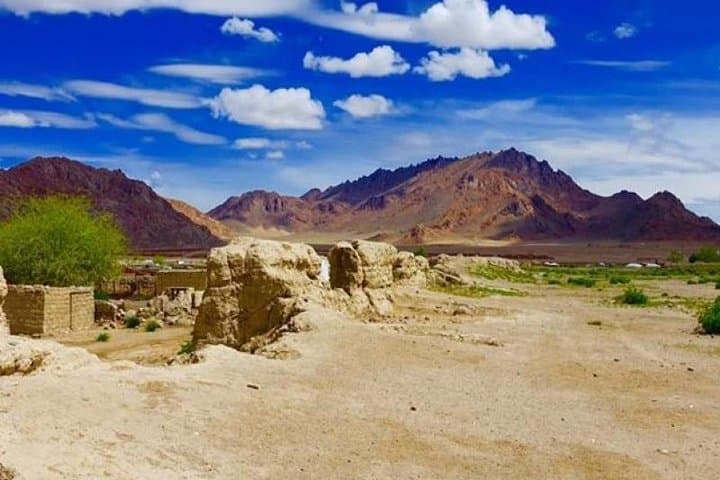
Culturally the trip threads through small ger hostels, family homestays and the repaired ruins of Ongi Monastery, offering direct contact with nomad hospitality and food rhythms. Expect long drive days punctuated by short hikes, a one-hour camel trial at the Khongoryn dunes, and easy to moderate walking in canyons and rock sites.
Practical notes: plan layered clothing for wide diurnal swings, carry sun protection and at least 2–3 liters of water per day, and bring cash for small purchases and tips. Comfortable boots with good ankle support make dune climbs and rocky scrambles easier. Travel windows are late spring to early autumn for warmest conditions and best road access.
moderate.
7 days.
Suitable for travelers in reasonable health able to manage several hours of light hiking and extended vehicle transfers.
Expect several full days in a vehicle; travel between sites covers long distances on paved and unpaved roads, punctuated by short hikes and stops.
Yes—overnights mix ger hostels, family homestays and simple ger camps; some have showers while others are more rustic.
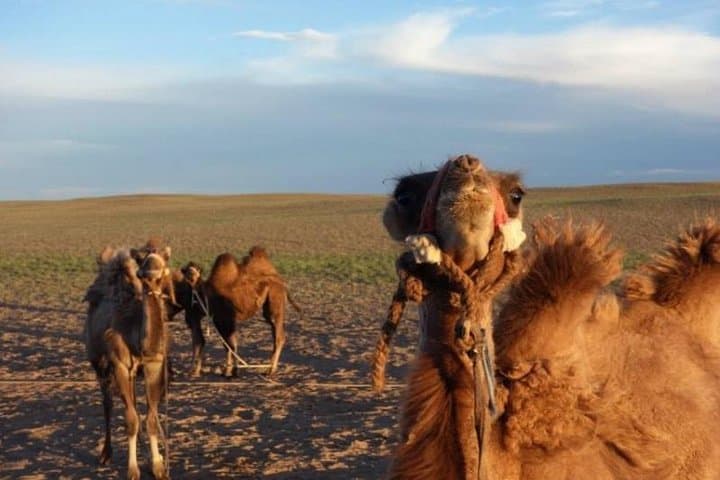
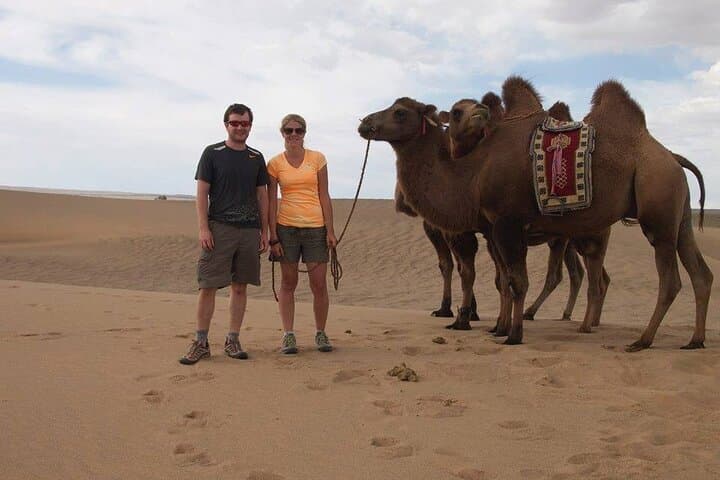
A one-hour camel trial is commonly offered at Khongoryn Els; it’s optional and suitable for most travelers.
The operator notes it’s suitable for most fitness levels but not recommended for travelers with spinal or serious heart conditions; check restrictions before booking.
Bayanzag (Flaming Cliffs) gained scientific fame in the 1920s for dinosaur egg discoveries; Ongiin monastery reflects the region’s 18th-century Buddhist history and later 20th-century suppression and restoration.
Visitors should stick to trails, avoid collecting fossils or artifacts, and use local guides to minimize disturbance; water and fire management are key in the fragile desert ecology.
Danista Nomads Tour operates guided outdoor trips and adventures with an emphasis on safety, stewardship, and memorable experiences.
A wind-toughened ger sits under a wide blue sky as the minivan slides off the paved road — that moment defines a week in the Gobi. On this seven-day circuit travelers move from granite outcrops and museum stops to narrow ice-hugged canyons and a sea of sand that sings when you walk it. The landscape shifts as quickly as the light: granite peaks at Ikh Gazriin Chuluu give way to the chalky strata of Tsagaan Suvarga, then the narrow, shadowed Yolyn Am where ice can persist into summer.
A wind-toughened ger sits under a wide blue sky as the minivan slides off the paved road — that moment defines a week in the Gobi. On this seven-day circuit travelers move from granite outcrops and museum stops to narrow ice-hugged canyons and a sea of sand that sings when you walk it. The landscape shifts as quickly as the light: granite peaks at Ikh Gazriin Chuluu give way to the chalky strata of Tsagaan Suvarga, then the narrow, shadowed Yolyn Am where ice can persist into summer.
Historically these places lie on the edges of nomadic life and the fossil-rich Flaming Cliffs (Bayanzag) where 1920s paleontologists first unearthed dinosaur eggs. Geologically the region ranges from 1706m granite monoliths to wind-carved badlands and the Khongoryn Els dunes — dunes that reach roughly 200 m in places and stretch across kilometers of shifting sand.
Culturally the trip threads through small ger hostels, family homestays and the repaired ruins of Ongi Monastery, offering direct contact with nomad hospitality and food rhythms. Expect long drive days punctuated by short hikes, a one-hour camel trial at the Khongoryn dunes, and easy to moderate walking in canyons and rock sites.
Practical notes: plan layered clothing for wide diurnal swings, carry sun protection and at least 2–3 liters of water per day, and bring cash for small purchases and tips. Comfortable boots with good ankle support make dune climbs and rocky scrambles easier. Travel windows are late spring to early autumn for warmest conditions and best road access.