THE ADVENTURE COLLECTIVE® · Independent discovery and booking for outdoor travel

A compact seven-day loop through Delhi, Jaipur and Agra that pairs sunrise at the Taj Mahal with temple visits and palace tours. Expect early starts, long drives by private car, and close-up encounters with Mughal and Rajput architecture.
A compact seven-day loop through Delhi, Jaipur and Agra that pairs sunrise at the Taj Mahal with temple visits and palace tours. Expect early starts, long drives by private car, and close-up encounters with Mughal and Rajput architecture.
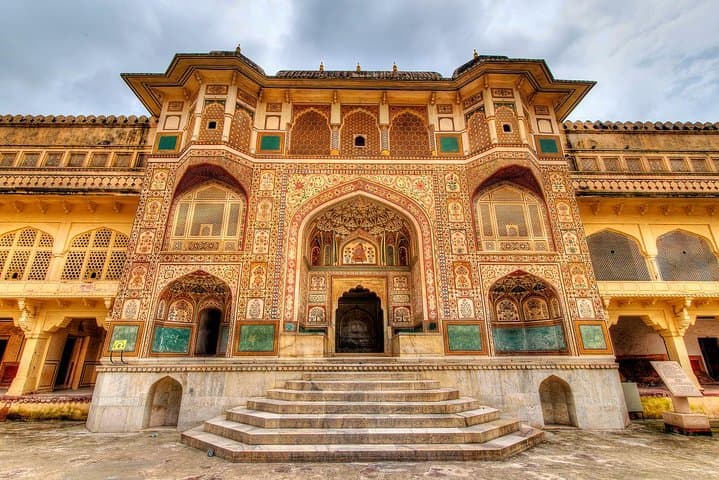
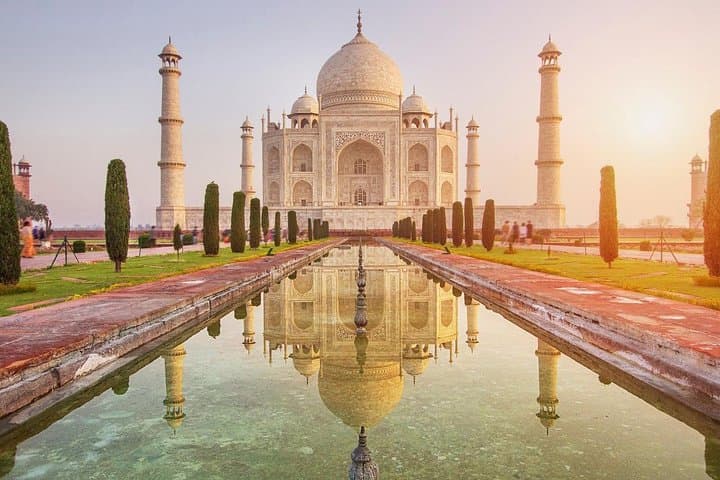
You step out of an air-conditioned car into an early Delhi morning, the city's layered smells—spice stalls, petrol, floral offerings—rising around a parade of domes and minarets. The itinerary moves with a steady, deliberate pace: sunrise at the Taj, a rickshaw spin through Old Delhi, and the ochre ramparts of Amber Fort catching late-afternoon light.
Verified experiences and guided adventures in the surrounding area.
Operated by Indian Heritage Journey · New Delhi, Delhi
You step out of an air-conditioned car into an early Delhi morning, the city's layered smells—spice stalls, petrol, floral offerings—rising around a parade of domes and minarets. The itinerary moves with a steady, deliberate pace: sunrise at the Taj, a rickshaw spin through Old Delhi, and the ochre ramparts of Amber Fort catching late-afternoon light.
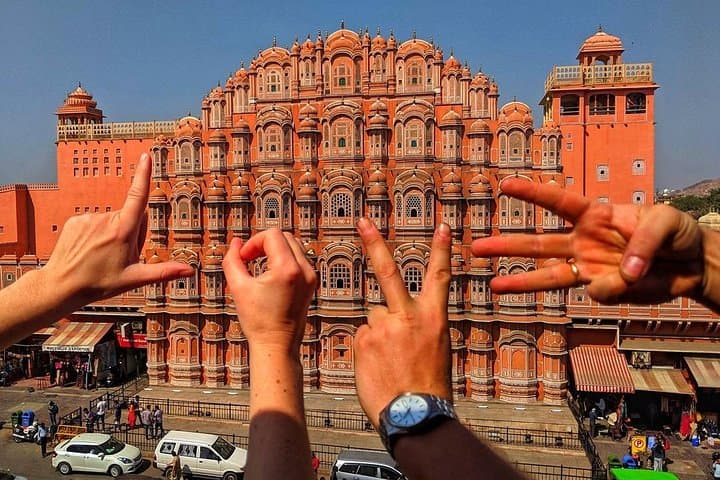
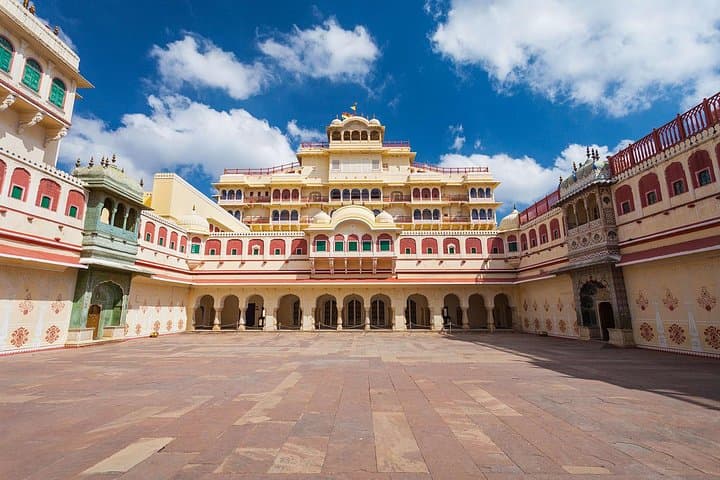
This route threads three historic capitals. Delhi stitches together Mughal and colonial eras; Agra centres the Taj Mahal and Mughal urban planning along the Yamuna; Jaipur rises from the Aravalli foothills with Rajput palaces and astronomical stonework at Jantar Mantar. Temples on the tour show living religious practice—Sikh gurdwaras with community kitchens, modern Akshardham's modern craftsmanship, and older Hindu shrines with carved marble. Geologically the landscape shifts from the floodplain of the Yamuna to the low, weathered Aravalli ridges near Jaipur, which shape local building stone and water management like stepwells.
Practical guidance: expect long transfer days by private car, early starts for sunrise visits, and confined walking through crowded monuments. Dress respectfully for temples—shoulders and knees covered—and carry a refillable water bottle; bottled water is often provided but tap water should be avoided. Wear comfortable walking shoes with good grip for palace courtyards and Agra Fort's uneven stones. Book tickets and plan Taj visits on non-Friday days; mornings are cooler and less crowded. Keep local currency for small purchases, and allow buffer time for traffic between cities. This seven-day loop balances cultural depth with manageable logistics, ideal for travelers seeking architecture, ritual, and regional contrast without strenuous hiking or technical skills.
easy.
7 days (roughly 10–12 hours sightseeing on full days).
Suitable for travelers in average fitness: walking of 2–4 miles per day, stairs, and standing during guided tours.
The Taj Mahal is closed on Fridays for prayer; plan your visit on another day and arrive at sunrise for fewer crowds.
Temple visits listed are included as guided visits; most require modest dress and shoes removed for some shrines but do not need special permits.
Typical drives: Delhi–Agra ~3–4 hours, Agra–Jaipur ~4–5 hours depending on traffic and stops en route like Fatehpur Sikri.
The tour includes walking, stairs, and uneven surfaces; it may be challenging for those with significant mobility limitations—contact the operator to confirm accessibility options.
The Golden Triangle links imperial Mughal urbanism (Agra's Taj, Agra Fort) with Jaipur's planned Rajput city (18th century) and Delhi's layered monuments spanning Sultanate, Mughal, and colonial eras.
Visitor pressure at monuments and water-stressed cities means follow local guidance: avoid littering, use bottled water sparingly, and support responsible guides who prioritize preservation.
Indian Heritage Journey operates guided outdoor trips and adventures with an emphasis on safety, stewardship, and memorable experiences.
You step out of an air-conditioned car into an early Delhi morning, the city's layered smells—spice stalls, petrol, floral offerings—rising around a parade of domes and minarets. The itinerary moves with a steady, deliberate pace: sunrise at the Taj, a rickshaw spin through Old Delhi, and the ochre ramparts of Amber Fort catching late-afternoon light.
You step out of an air-conditioned car into an early Delhi morning, the city's layered smells—spice stalls, petrol, floral offerings—rising around a parade of domes and minarets. The itinerary moves with a steady, deliberate pace: sunrise at the Taj, a rickshaw spin through Old Delhi, and the ochre ramparts of Amber Fort catching late-afternoon light.
This route threads three historic capitals. Delhi stitches together Mughal and colonial eras; Agra centres the Taj Mahal and Mughal urban planning along the Yamuna; Jaipur rises from the Aravalli foothills with Rajput palaces and astronomical stonework at Jantar Mantar. Temples on the tour show living religious practice—Sikh gurdwaras with community kitchens, modern Akshardham's modern craftsmanship, and older Hindu shrines with carved marble. Geologically the landscape shifts from the floodplain of the Yamuna to the low, weathered Aravalli ridges near Jaipur, which shape local building stone and water management like stepwells.
Practical guidance: expect long transfer days by private car, early starts for sunrise visits, and confined walking through crowded monuments. Dress respectfully for temples—shoulders and knees covered—and carry a refillable water bottle; bottled water is often provided but tap water should be avoided. Wear comfortable walking shoes with good grip for palace courtyards and Agra Fort's uneven stones. Book tickets and plan Taj visits on non-Friday days; mornings are cooler and less crowded. Keep local currency for small purchases, and allow buffer time for traffic between cities. This seven-day loop balances cultural depth with manageable logistics, ideal for travelers seeking architecture, ritual, and regional contrast without strenuous hiking or technical skills.