THE ADVENTURE COLLECTIVE® · Independent discovery and booking for outdoor travel

A week that pairs India’s Golden Triangle monuments with an early-morning Ranthambore tiger safari. Expect pre-dawn game drives, Mughal palaces, and long scenic drives between Delhi, Agra, Ranthambore and Jaipur.
A week that pairs India’s Golden Triangle monuments with an early-morning Ranthambore tiger safari. Expect pre-dawn game drives, Mughal palaces, and long scenic drives between Delhi, Agra, Ranthambore and Jaipur.
You step out of Delhi’s traffic roar into a different cadence: long highway stretches, villages sliding by, and the dry scrub of Rajasthan flattening the skyline as you approach Ranthambore. Early mornings here begin with the diesel cough of canters and jeeps, the forest breathing around you as guides scan for movement; evenings are for forts and marble-lit monuments in Agra and Jaipur.
Verified experiences and guided adventures in the surrounding area.
Operated by Travel Creators Of India · New Delhi, Delhi
You step out of Delhi’s traffic roar into a different cadence: long highway stretches, villages sliding by, and the dry scrub of Rajasthan flattening the skyline as you approach Ranthambore. Early mornings here begin with the diesel cough of canters and jeeps, the forest breathing around you as guides scan for movement; evenings are for forts and marble-lit monuments in Agra and Jaipur.
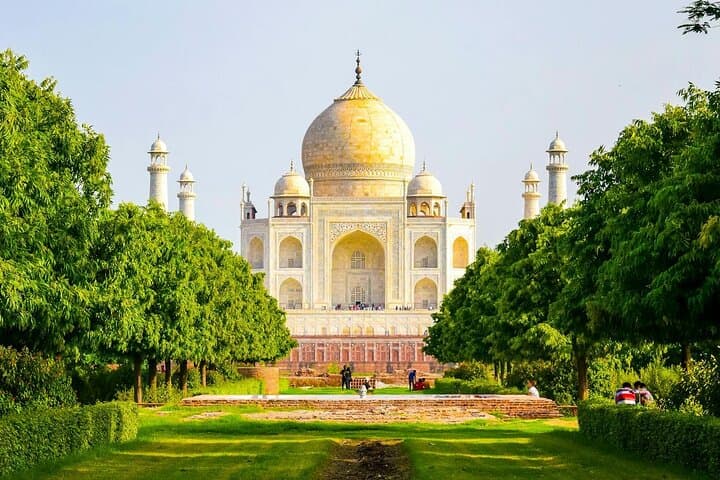
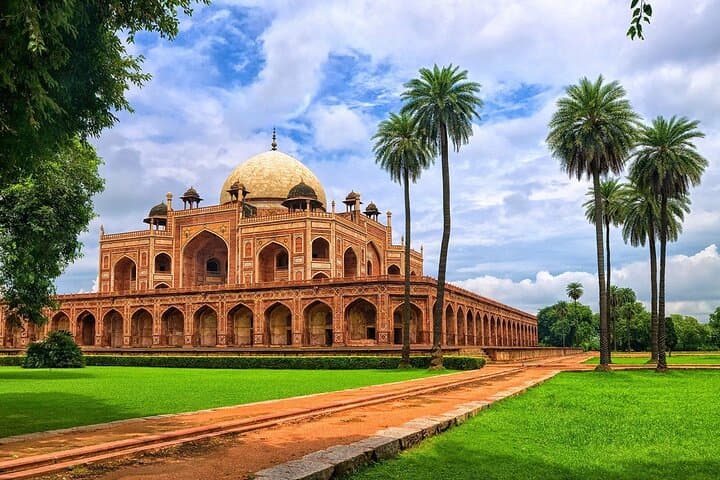
This route threads Mughal history and Rajput architecture with one of India’s most important tiger reserves. The Taj Mahal and Agra Fort reflect Mughal engineering and marble work from the 17th century, Fatehpur Sikri shows Akbar’s imperial urban experiment, and Jaipur’s Amber Fort recalls Rajput militarized palaces. Geologically the region shifts from alluvial plains around Agra to the Vindhyan outcrops that frame Ranthambore’s rocky ridges and seasonal lakes.
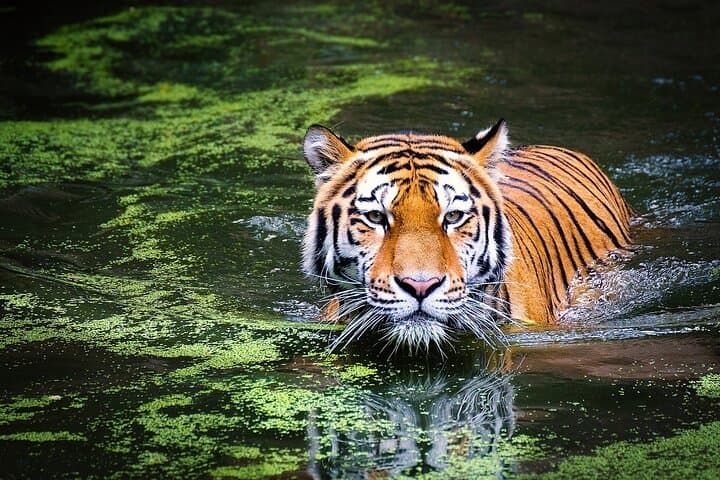
Expect guided city sightseeing with hotel transfers, two shared game drives in Ranthambore (morning and evening), and a mix of deluxe hotel nights. Tigers are elusive; drives are timed around cooler hours when animals are active. Monsoon months usually close the park (July–September), so most visits run October–June.
Practical essentials: schedule safari mornings early (pickups pre-dawn), carry binoculars and a camera with a long lens, layer for temperature swings, and respect park rules—no littering, no honking. Hydrate on road days, allow extra travel time for traffic, and confirm hotel and flight details when booking. This itinerary balances heritage sightseeing with focused wildlife time, giving travelers a straightforward way to pair iconic monuments with a real chance to see the Great Indian Tiger.
easy.
7 days.
Light activity; suitable for travelers who can handle several hours of sightseeing and short walks during stops.
No — tigers are wild and sightings aren’t guaranteed; morning and evening drives increase the chance, and experienced guides improve odds.
Ranthambore typically closes during the monsoon season, roughly July through September; confirm exact dates before traveling.
The Taj Mahal is closed to visitors on Fridays for prayers; plan your Agra visit on another day.
No special permits are required for the public itinerary, though ensure routine vaccinations are up to date and carry ID for hotel check-ins and park entries.
The Golden Triangle cities are centers of Mughal and Rajput power—Shah Jahan built the Taj Mahal in the 17th century and many sites reflect imperial agendas and craftsmanship.
Ranthambore is a designated tiger reserve with regulated visitor access; follow park rules to minimize disturbance and support ongoing conservation through responsible tourism.
Travel Creators Of India operates guided outdoor trips and adventures with an emphasis on safety, stewardship, and memorable experiences.

You step out of Delhi’s traffic roar into a different cadence: long highway stretches, villages sliding by, and the dry scrub of Rajasthan flattening the skyline as you approach Ranthambore. Early mornings here begin with the diesel cough of canters and jeeps, the forest breathing around you as guides scan for movement; evenings are for forts and marble-lit monuments in Agra and Jaipur.
You step out of Delhi’s traffic roar into a different cadence: long highway stretches, villages sliding by, and the dry scrub of Rajasthan flattening the skyline as you approach Ranthambore. Early mornings here begin with the diesel cough of canters and jeeps, the forest breathing around you as guides scan for movement; evenings are for forts and marble-lit monuments in Agra and Jaipur.
This route threads Mughal history and Rajput architecture with one of India’s most important tiger reserves. The Taj Mahal and Agra Fort reflect Mughal engineering and marble work from the 17th century, Fatehpur Sikri shows Akbar’s imperial urban experiment, and Jaipur’s Amber Fort recalls Rajput militarized palaces. Geologically the region shifts from alluvial plains around Agra to the Vindhyan outcrops that frame Ranthambore’s rocky ridges and seasonal lakes.
Expect guided city sightseeing with hotel transfers, two shared game drives in Ranthambore (morning and evening), and a mix of deluxe hotel nights. Tigers are elusive; drives are timed around cooler hours when animals are active. Monsoon months usually close the park (July–September), so most visits run October–June.
Practical essentials: schedule safari mornings early (pickups pre-dawn), carry binoculars and a camera with a long lens, layer for temperature swings, and respect park rules—no littering, no honking. Hydrate on road days, allow extra travel time for traffic, and confirm hotel and flight details when booking. This itinerary balances heritage sightseeing with focused wildlife time, giving travelers a straightforward way to pair iconic monuments with a real chance to see the Great Indian Tiger.