THE ADVENTURE COLLECTIVE® · Independent discovery and booking for outdoor travel

Move from Delhi’s crowded lanes to the Taj’s marble hush, then through Fatehpur Sikri to Jaipur’s forts and Pushkar’s lakefront temples. This seven‑day private tour pairs iconic monuments with local color and practical logistics.
Move from Delhi’s crowded lanes to the Taj’s marble hush, then through Fatehpur Sikri to Jaipur’s forts and Pushkar’s lakefront temples. This seven‑day private tour pairs iconic monuments with local color and practical logistics.
You step out of a Delhi morning into a private car that hums away from the city, the Aravalli foothills advancing like a low, watchful wall.
Verified experiences and guided adventures in the surrounding area.
Operated by Travel Creators Of India · New Delhi, Delhi
You step out of a Delhi morning into a private car that hums away from the city, the Aravalli foothills advancing like a low, watchful wall.
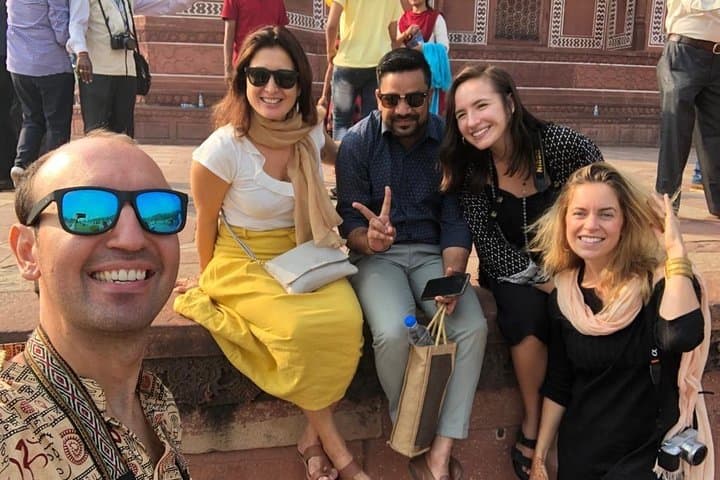
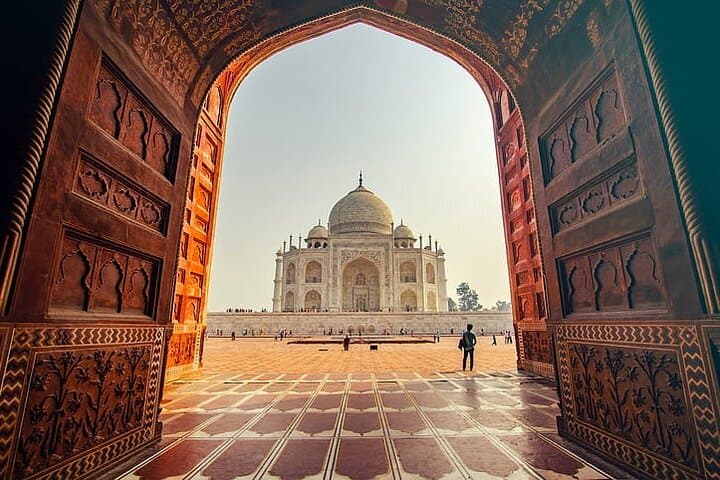
Over seven days this itinerary moves at a deliberate pace: Old Delhi’s rickshaw alleys and Mughal monuments, the marble quiet of the Taj Mahal at Agra, the red-sandstone ruins of Fatehpur Sikri, Jaipur’s hilltop Amer Fort and the intimate ghats of Pushkar. Each stop is a chapter in Rajasthan and Uttar Pradesh’s layered history — Mughal engineering, Rajput palaces and desert towns shaped by trade routes and seasonal monsoons.
Geology shows in the red sandstone of Fatehpur Sikri and Jaipur’s forts, and in the alluvial plains that cradle the Yamuna near Agra. Culture sits in bazaars and temples: Pushkar’s Brahma temple is one of the few in India dedicated to that deity, and the camel fair (seasonal) animates the town’s rhythms.
Practical notes: expect multiple 3–5 hour drives between cities (Delhi–Agra ≈3–4 hrs; Agra–Jaipur ≈4–5 hrs via Fatehpur Sikri; Jaipur–Pushkar ≈3 hrs). The tour includes private, air‑conditioned transport, local guide services, hotel stays and breakfast where selected; Taj Mahal is closed on Fridays. Pack light layers, a sun hat and comfortable walking shoes for uneven fort steps and temple courtyards. Hydrate frequently — summer heat can be intense while winter mornings are brisk. Start monument visits early when light is best and crowds are thinner.
This route balances iconic sights with quieter local moments, making it approachable for first‑time visitors who want a thorough, low‑stress introduction to northern India’s cultural heart.
easy.
7 days.
Suitable for travelers with basic mobility; involves moderate walking on uneven surfaces and climbing steps at forts and temples.
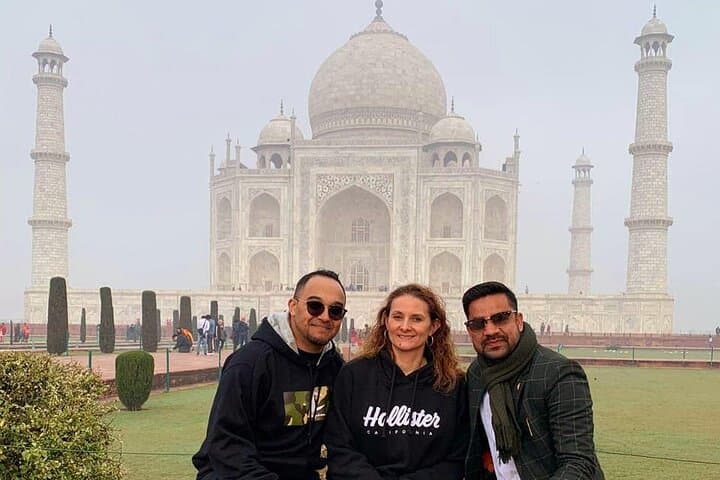
The itinerary includes a visit to the Taj Mahal; note the monument is closed on Fridays and shoe covers may be provided for visitors.
Typical drives: Delhi–Agra about 3–4 hours, Agra–Jaipur about 4–5 hours (with a stop at Fatehpur Sikri), Jaipur–Pushkar around 3 hours—times vary with traffic.
The operator notes the tour can be customized—inform them at booking about dietary restrictions or mobility needs so arrangements can be made.
This is a private tour with vehicle size based on party: small sedan for 1–2, Innova‑style wagon for 3–5, and tempo traveler options for larger groups up to 10.
The Golden Triangle stitches Mughal-era Agra and Fatehpur Sikri with the Rajput courts of Jaipur; these cities grew around trade routes and imperial patronage from the 16th–18th centuries.
Visitors are encouraged to minimize plastic use and stick to marked paths at heritage sites; local conservation efforts focus on maintaining monument fabric and managing tourist impact at sensitive ghats and forts.
Travel Creators Of India operates guided outdoor trips and adventures with an emphasis on safety, stewardship, and memorable experiences.

You step out of a Delhi morning into a private car that hums away from the city, the Aravalli foothills advancing like a low, watchful wall.
You step out of a Delhi morning into a private car that hums away from the city, the Aravalli foothills advancing like a low, watchful wall.
Over seven days this itinerary moves at a deliberate pace: Old Delhi’s rickshaw alleys and Mughal monuments, the marble quiet of the Taj Mahal at Agra, the red-sandstone ruins of Fatehpur Sikri, Jaipur’s hilltop Amer Fort and the intimate ghats of Pushkar. Each stop is a chapter in Rajasthan and Uttar Pradesh’s layered history — Mughal engineering, Rajput palaces and desert towns shaped by trade routes and seasonal monsoons.
Geology shows in the red sandstone of Fatehpur Sikri and Jaipur’s forts, and in the alluvial plains that cradle the Yamuna near Agra. Culture sits in bazaars and temples: Pushkar’s Brahma temple is one of the few in India dedicated to that deity, and the camel fair (seasonal) animates the town’s rhythms.
Practical notes: expect multiple 3–5 hour drives between cities (Delhi–Agra ≈3–4 hrs; Agra–Jaipur ≈4–5 hrs via Fatehpur Sikri; Jaipur–Pushkar ≈3 hrs). The tour includes private, air‑conditioned transport, local guide services, hotel stays and breakfast where selected; Taj Mahal is closed on Fridays. Pack light layers, a sun hat and comfortable walking shoes for uneven fort steps and temple courtyards. Hydrate frequently — summer heat can be intense while winter mornings are brisk. Start monument visits early when light is best and crowds are thinner.
This route balances iconic sights with quieter local moments, making it approachable for first‑time visitors who want a thorough, low‑stress introduction to northern India’s cultural heart.