THE ADVENTURE COLLECTIVE® · Independent discovery and booking for outdoor travel

Seven days that pair Quito’s highland history with concentrated wildlife encounters on Santa Cruz and Isabela. Expect lava-formed tunnels, giant tortoises in the highlands, and short hikes mixed with snorkel sessions — all governed by Galapagos biosecurity and park fees.
Seven days that pair Quito’s highland history with concentrated wildlife encounters on Santa Cruz and Isabela. Expect lava-formed tunnels, giant tortoises in the highlands, and short hikes mixed with snorkel sessions — all governed by Galapagos biosecurity and park fees.
You arrive in Puerto Ayora by ferry as the channel spits salt and bright birds wheel overhead. Lava rock frames the harbor; marine iguanas sun themselves on black ledges and the air smells faintly of guava and ocean. Over the next week the islands push and pull you between volcanic highlands grazed by giant tortoises and low, wind-swept shores where blue-footed boobies dive.
Verified experiences and guided adventures in the surrounding area.
Operated by Vive Galápagos · Puerto Ayora, Galápagos
You arrive in Puerto Ayora by ferry as the channel spits salt and bright birds wheel overhead. Lava rock frames the harbor; marine iguanas sun themselves on black ledges and the air smells faintly of guava and ocean. Over the next week the islands push and pull you between volcanic highlands grazed by giant tortoises and low, wind-swept shores where blue-footed boobies dive.
Geology here is recent and raw — pahoehoe and a’a lava sculpted tunnels and arches that form the famous Tunnels on Isabela. History threads through the itinerary: the French Geodesic Mission put Ecuador on the map at Latitude 0°, and Charles Darwin’s observations on these shores helped shape evolutionary theory. Local culture is modest and practical; small fishing villages and research stations coexist with strict park governance.
Expect a mix of short hikes (packed dirt and uneven lava rock), sheltered snorkel swims, and boat transfers — the Santa Cruz–Isabela ferry runs about two hours. Wildlife sightings are frequent but unpredictable: giant tortoises lumber in the highlands, penguins and reef sharks patrol the shallows. Practicalities matter: the Galapagos National Park fee (paid on arrival), a transit control card, and small dock fees are additional. Bring reef‑safe sunscreen, a well-fitting snorkel mask or plan to rent one, wear sturdy water shoes for lava and tides, and carry cash for remote transactions. Tides influence schedules so be flexible with timing.
This itinerary is compact and accessible for moderately fit travelers who want concentrated wildlife viewing without a full live-aboard commitment.
moderate.
7 days.
Moderate: able to walk on uneven lava, climb short rocky stairs, and swim/snorkel in cool water
No — the Galapagos National Park entrance fee (typically paid in Baltra) and the transit control card (paid in Quito) are not included and must be paid separately in cash.
Yes — the highland ranchos often host giant tortoises and Tintoreras or coastal islets may provide sightings of Galapagos penguins, though wildlife cannot be guaranteed.
Basic swimming ability is required; many snorkel sites are shore- or boat-based with calm lagoons, and guides provide flotation if needed.
All visitors must pass biosecurity controls: luggage inspections, declaration of agricultural items, and adherence to rules about not bringing fresh fruit, seeds, or non-approved footwear to protect native ecosystems.
The islands were charted by explorers and studied by the French Geodesic Mission; Darwin’s 19th-century notes from the islands influenced his theory of natural selection.
The Galapagos National Park tightly regulates visits; follow biosecurity checks, keep distance from animals, and use reef‑safe products to minimize impact.
Vive Galápagos operates guided outdoor trips and adventures with an emphasis on safety, stewardship, and memorable experiences.
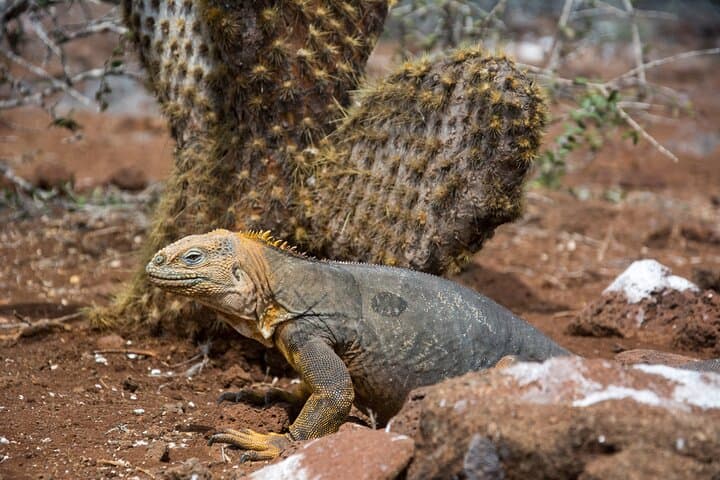
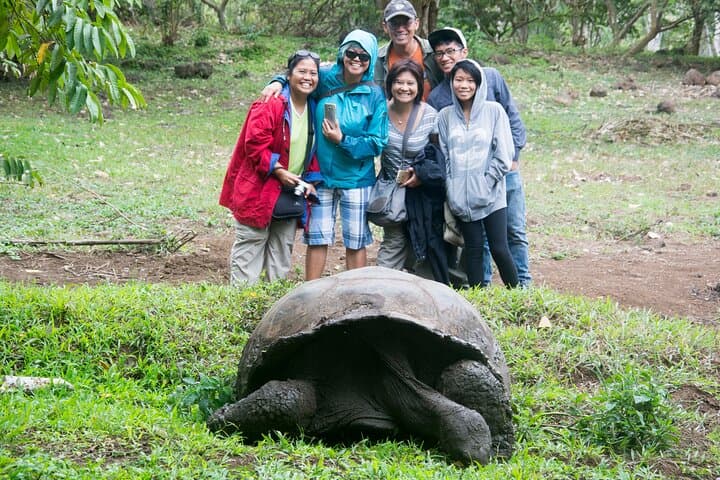
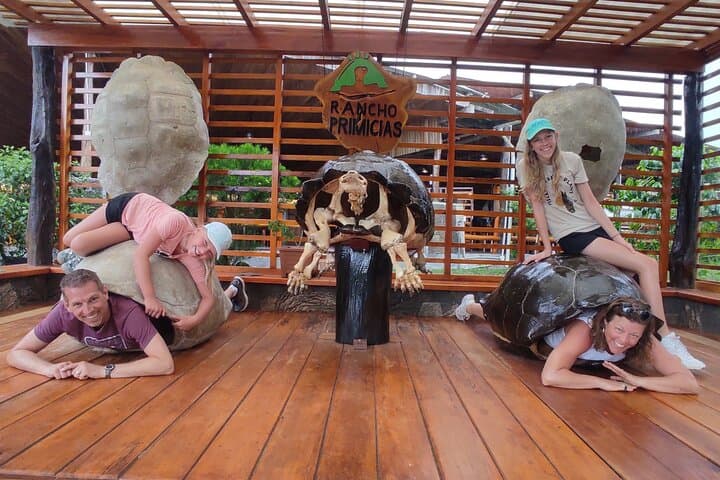
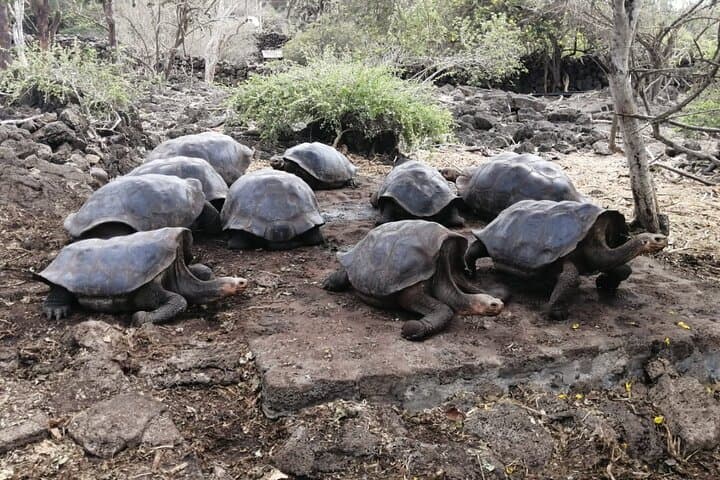
You arrive in Puerto Ayora by ferry as the channel spits salt and bright birds wheel overhead. Lava rock frames the harbor; marine iguanas sun themselves on black ledges and the air smells faintly of guava and ocean. Over the next week the islands push and pull you between volcanic highlands grazed by giant tortoises and low, wind-swept shores where blue-footed boobies dive.
You arrive in Puerto Ayora by ferry as the channel spits salt and bright birds wheel overhead. Lava rock frames the harbor; marine iguanas sun themselves on black ledges and the air smells faintly of guava and ocean. Over the next week the islands push and pull you between volcanic highlands grazed by giant tortoises and low, wind-swept shores where blue-footed boobies dive.
Geology here is recent and raw — pahoehoe and a’a lava sculpted tunnels and arches that form the famous Tunnels on Isabela. History threads through the itinerary: the French Geodesic Mission put Ecuador on the map at Latitude 0°, and Charles Darwin’s observations on these shores helped shape evolutionary theory. Local culture is modest and practical; small fishing villages and research stations coexist with strict park governance.
Expect a mix of short hikes (packed dirt and uneven lava rock), sheltered snorkel swims, and boat transfers — the Santa Cruz–Isabela ferry runs about two hours. Wildlife sightings are frequent but unpredictable: giant tortoises lumber in the highlands, penguins and reef sharks patrol the shallows. Practicalities matter: the Galapagos National Park fee (paid on arrival), a transit control card, and small dock fees are additional. Bring reef‑safe sunscreen, a well-fitting snorkel mask or plan to rent one, wear sturdy water shoes for lava and tides, and carry cash for remote transactions. Tides influence schedules so be flexible with timing.
This itinerary is compact and accessible for moderately fit travelers who want concentrated wildlife viewing without a full live-aboard commitment.