THE ADVENTURE COLLECTIVE® · Independent discovery and booking for outdoor travel

Seven days, four islands and a series of island-scale moments: from snorkeling León Dormido to giant tortoises at the Charles Darwin Research Station, this compact Galápagos itinerary pairs up-close wildlife encounters with accessible hikes and island lore. Practical advice and conservation guidelines keep the focus on responsible exploration.
Seven days, four islands and a series of island-scale moments: from snorkeling León Dormido to giant tortoises at the Charles Darwin Research Station, this compact Galápagos itinerary pairs up-close wildlife encounters with accessible hikes and island lore. Practical advice and conservation guidelines keep the focus on responsible exploration.
You step off the small ferry into a wind that tastes of salt and stone, and the Galápagos greets you without ceremony—sea lions sprawled on the pier, finches hopping between suitcase wheels, and a horizon that refuses to sit still. Over seven days this itinerary stitches together four islands—Santa Cruz, San Cristóbal, Isabela and Floreana—so each morning feels like opening a new chapter in a natural history book.
Verified experiences and guided adventures in the surrounding area.
Operated by Friends Expeditions · Puerto Ayora, Galápagos
You step off the small ferry into a wind that tastes of salt and stone, and the Galápagos greets you without ceremony—sea lions sprawled on the pier, finches hopping between suitcase wheels, and a horizon that refuses to sit still. Over seven days this itinerary stitches together four islands—Santa Cruz, San Cristóbal, Isabela and Floreana—so each morning feels like opening a new chapter in a natural history book.
The archipelago is volcanic in origin; the islands are young by geological standards and their raw lava fields give way quickly to wildlife adapted to extremes. On Santa Cruz, the Charles Darwin Research Station lays out the modern story: captive-breeding programs for giant tortoises and a conservation ethic born from the very science that made these islands famous. Isabela’s Wall of Tears is quieter history—an overlay of human hardship on basalt—while Floreana carries salt-stained legends of early settlers and pirate lore. San Cristóbal’s León Dormido, a jagged rock tower, is a marine cathedral that draws upwelling currents and pelagic life.
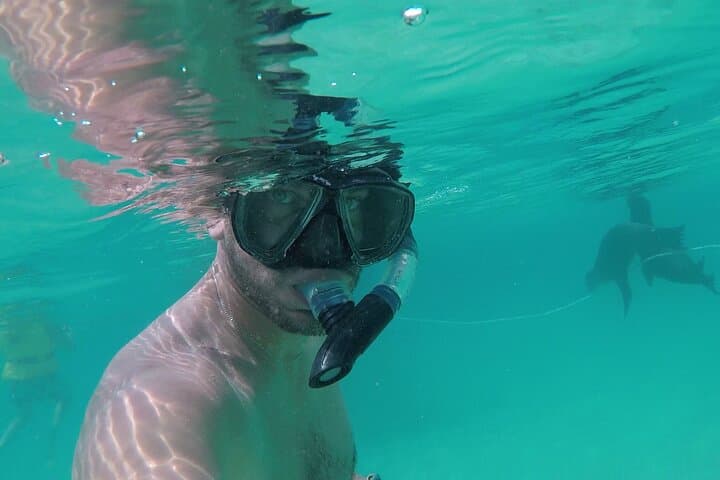
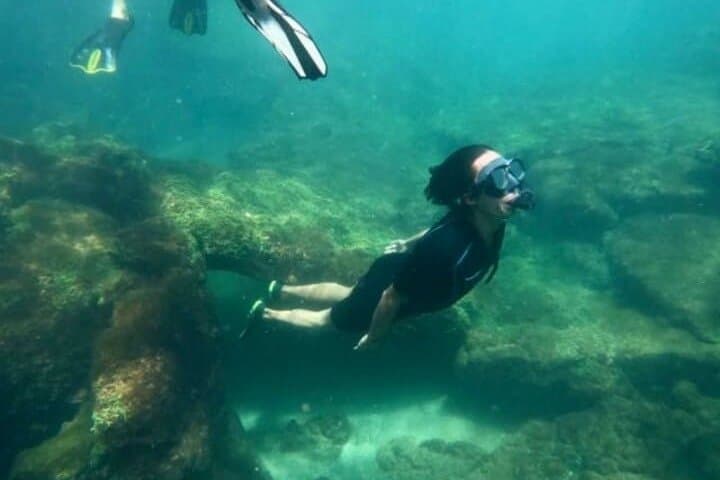
Days are built around short hikes, inter-island panga rides and snorkel swims. Walks like the 2–3 km trail to Tortuga Bay ribbon through white sand, mangrove channels and sharp lava outcrops; Los Gemelos, two collapsed volcanic pits, are an easy 1–2 km forest loop with mist and scale that feels larger than the map. Boat trips to sites such as El León Dormido deliver intense snorkeling—schools of angelfish, playful sea turtles and the occasional curious sea lion—within minutes of landing.
Practicalities matter here: the Galápagos National Park enforces strict visitor routes and biosecurity checks—expect shoe and luggage inspections and a small park entrance fee. Accommodations are basic to comfortable (3–4 star on this itinerary) and inter-island crossings are done by public or chartered boats; rough seas can lengthen transfers. Pack reef‑safe sunscreen, reef shoes for lava shores, and a lightweight rain shell—weather changes quickly and sun exposure is relentless at low latitudes.
Travel respectfully: keep distance from wildlife, stay on marked paths, and use guides—the local naturalists add context to each encounter and ensure compliance with conservation rules. For photographers, the payoff is immediate: morning light across black lava and turquoise surf, tortoises lumbering in the low scrub, and penguins darting at the waterline. By the last day, the islands stop being a checklist and become a set of habits—watching for a head bob in the surf, listening to the bark of sea lions, learning the different shapes of land and life that make the Galápagos a functioning laboratory of evolution.
This seven-day loop is compact but rounded: natural history, snorkeling, light hiking and cultural notes threaded through each island stop. It’s an expedition for travelers who want proximity to wildlife without the rigor of hardcore trekking—an intimate, guided route through one of the world’s most singular places.
moderate.
7 days.
Suitable for travelers with basic mobility—comfortable with short hikes (1–4 km), beach walks and boat transfers.
Most nationalities can enter Ecuador visa‑free or with a visa on arrival; check Ecuador’s entry rules and ensure your passport is valid for at least six months.
Park entrance fees are usually not included—expect to pay the fee on arrival at the airport (payable in cash or card depending on point of entry).
Hikes are generally short and low elevation (1–4 km), suitable for average fitness; some uneven terrain and sandy stretches require steady footing.
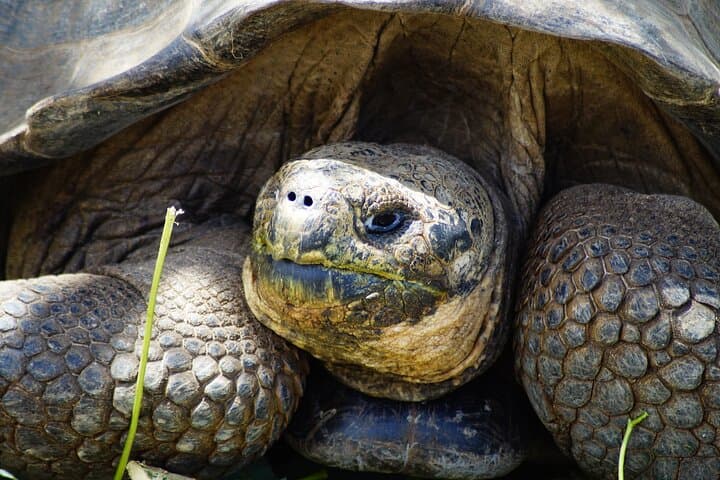
Yes—around Santa Cruz and in managed reserves you can observe giant tortoises; the Darwin Station and tortoise farms offer reliable encounters.
This tour includes use of snorkeling equipment, but many travelers prefer to bring a personal mask for fit and comfort.
Cell coverage is limited; some towns have Wi‑Fi in hotels and cafes, but expect intermittent service during island-hopping and remote excursions.
The islands have a layered history of indigenous absence, pirate lore and 19th‑century whalers; Darwin’s observations here helped shape evolutionary theory and modern conservation efforts.
Strict park rules, biosecurity inspections and limits on visitor routes protect fragile habitats—stick to paths, avoid touching wildlife, and use only reef‑safe products.
Friends Expeditions operates guided outdoor trips and adventures with an emphasis on safety, stewardship, and memorable experiences.
You step off the small ferry into a wind that tastes of salt and stone, and the Galápagos greets you without ceremony—sea lions sprawled on the pier, finches hopping between suitcase wheels, and a horizon that refuses to sit still. Over seven days this itinerary stitches together four islands—Santa Cruz, San Cristóbal, Isabela and Floreana—so each morning feels like opening a new chapter in a natural history book.
You step off the small ferry into a wind that tastes of salt and stone, and the Galápagos greets you without ceremony—sea lions sprawled on the pier, finches hopping between suitcase wheels, and a horizon that refuses to sit still. Over seven days this itinerary stitches together four islands—Santa Cruz, San Cristóbal, Isabela and Floreana—so each morning feels like opening a new chapter in a natural history book.
The archipelago is volcanic in origin; the islands are young by geological standards and their raw lava fields give way quickly to wildlife adapted to extremes. On Santa Cruz, the Charles Darwin Research Station lays out the modern story: captive-breeding programs for giant tortoises and a conservation ethic born from the very science that made these islands famous. Isabela’s Wall of Tears is quieter history—an overlay of human hardship on basalt—while Floreana carries salt-stained legends of early settlers and pirate lore. San Cristóbal’s León Dormido, a jagged rock tower, is a marine cathedral that draws upwelling currents and pelagic life.
Days are built around short hikes, inter-island panga rides and snorkel swims. Walks like the 2–3 km trail to Tortuga Bay ribbon through white sand, mangrove channels and sharp lava outcrops; Los Gemelos, two collapsed volcanic pits, are an easy 1–2 km forest loop with mist and scale that feels larger than the map. Boat trips to sites such as El León Dormido deliver intense snorkeling—schools of angelfish, playful sea turtles and the occasional curious sea lion—within minutes of landing.
Practicalities matter here: the Galápagos National Park enforces strict visitor routes and biosecurity checks—expect shoe and luggage inspections and a small park entrance fee. Accommodations are basic to comfortable (3–4 star on this itinerary) and inter-island crossings are done by public or chartered boats; rough seas can lengthen transfers. Pack reef‑safe sunscreen, reef shoes for lava shores, and a lightweight rain shell—weather changes quickly and sun exposure is relentless at low latitudes.
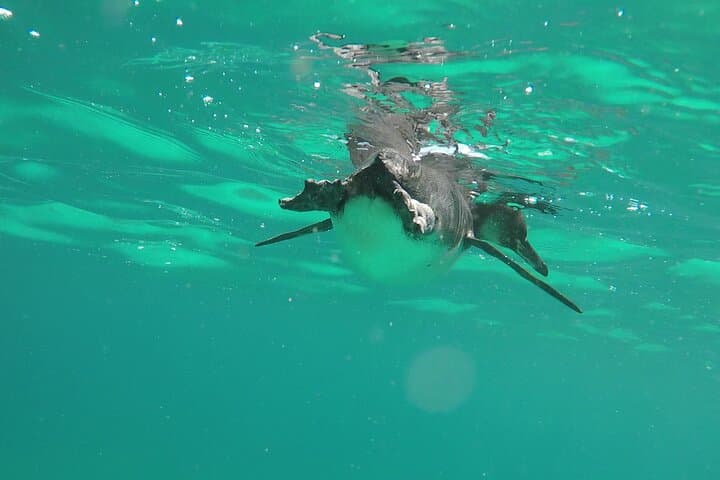
Travel respectfully: keep distance from wildlife, stay on marked paths, and use guides—the local naturalists add context to each encounter and ensure compliance with conservation rules. For photographers, the payoff is immediate: morning light across black lava and turquoise surf, tortoises lumbering in the low scrub, and penguins darting at the waterline. By the last day, the islands stop being a checklist and become a set of habits—watching for a head bob in the surf, listening to the bark of sea lions, learning the different shapes of land and life that make the Galápagos a functioning laboratory of evolution.
This seven-day loop is compact but rounded: natural history, snorkeling, light hiking and cultural notes threaded through each island stop. It’s an expedition for travelers who want proximity to wildlife without the rigor of hardcore trekking—an intimate, guided route through one of the world’s most singular places.