THE ADVENTURE COLLECTIVE® · Independent discovery and booking for outdoor travel

Taste the Galápagos across seven days of markets, farm lunches and snorkeling. This small-group guided tour blends seafood-focused cuisine with classic wildlife stops — Kicker Rock, Sierra Negra and Los Tuneles — for travelers who want both flavor and fauna.
Taste the Galápagos across seven days of markets, farm lunches and snorkeling. This small-group guided tour blends seafood-focused cuisine with classic wildlife stops — Kicker Rock, Sierra Negra and Los Tuneles — for travelers who want both flavor and fauna.
Dawn on San Cristóbal arrives with a salt tang that licks the hotel rooftop where the group gathers for its first coffee. Pelicans quarter the water below and the town’s fishermen move with the steady calm of people who work with tides instead of against them. Over seven days the itinerary folds between kitchens, coastal boats and volcanic ridgelines — a deliberate rhythm of tasting, walking and snorkeling that introduces the archipelago by palate and by path.
Verified experiences and guided adventures in the surrounding area.
Operated by Rebecca Adventure Travel · Puerto Baquerizo Moreno, Galápagos Province
Dawn on San Cristóbal arrives with a salt tang that licks the hotel rooftop where the group gathers for its first coffee. Pelicans quarter the water below and the town’s fishermen move with the steady calm of people who work with tides instead of against them. Over seven days the itinerary folds between kitchens, coastal boats and volcanic ridgelines — a deliberate rhythm of tasting, walking and snorkeling that introduces the archipelago by palate and by path.
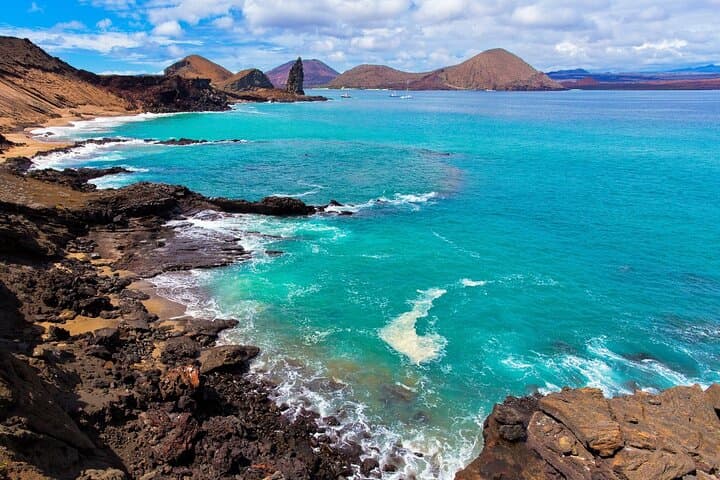
The Galápagos are older than the nations that now claim them; their story is written in basalt and coral. Volcanoes built islands from the depths, then wildlife — unafraid and uncompromising — adapted in isolation. That geological bluntness produces compact landscapes: lava fields that cool into jagged sculpture, volcanic craters with wide, wind-swept rims and shallow bays that flirt with strong currents. Humans arrived late in the story but quickly added a new chapter: a local culinary scene that mines the sea’s abundance while learning to balance tourism and protection.
This small-group, multi-island tour pairs food-forward experiences with classic Galápagos highlights. Expect a farm-to-table lunch high on San Cristóbal, a rooftop cocktail watching frigatebirds crest the windline, a close-up snorkel at Kicker Rock among rays and reef sharks, and a day in the calm tunnels at Isabela where turtles and sea stars pulse beneath glass-clear surfaces. You’ll fly between islands and ride speedboats across channels — the water will both give you its best and remind you of its rules.
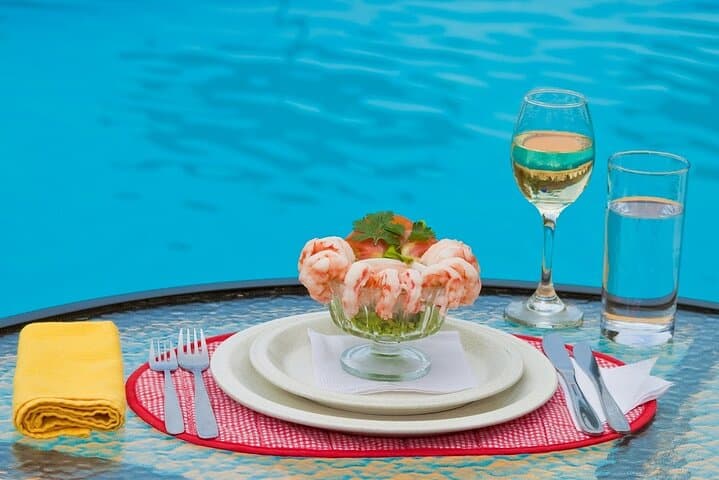
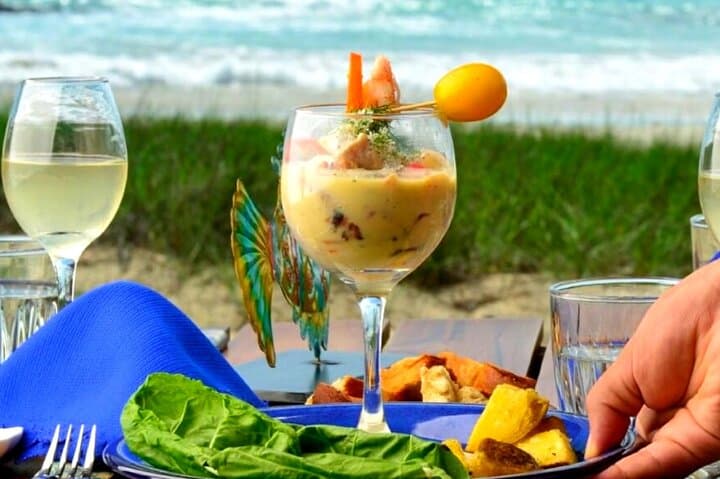
Culturally, the trip unfolds in working towns rather than postcard resorts. You’ll visit fish markets where crews gut and sort daily hauls, then turn that catch into sushi and ceviche at a cooking class. Meals are local stories: the farmer who raised the beans, the fisherman who knows where the bonito runs, the chef translating that knowledge into plates.
Practicalities matter. The trip moves fast: inter-island flights and two-hour speedboat crossings are common, and snorkeling conditions vary from glassy to choppy. Bring reef-safe sunscreen, a well-fitting mask (equipment is provided but many travelers prefer their own), and a light waterproof layer for early mornings and boat spray. Pay attention to park briefings — trails are short but strictly regulated, and wildlife encounters require restraint as much as curiosity.
By week’s end, you’ll understand this place as a system: currents shaping food chains, geology shaping human routes, and careful tourism shaping livelihoods. The adventure is sensory — salt, smoke, citrus — but also practical: come prepared, respectful, and ready to listen.
moderate.
7 days.
Travelers should be in moderate physical shape: able to walk uneven trails for 30–90 minutes, board small boats and snorkel.
National park entrance and any migration control card are typically not included; you’ll pay these on arrival at the airport or at park checkpoints.
Snorkeling equipment (mask, snorkel, fins, life vest) is included on excursions, though many travelers bring their own mask for fit.
Moderate fitness is sufficient: expect short hikes, boat transfers and snorkeling sessions; no technical climbing required.
Most meals are included; operators accommodate common dietary needs (vegetarian, allergies) if noted during booking.
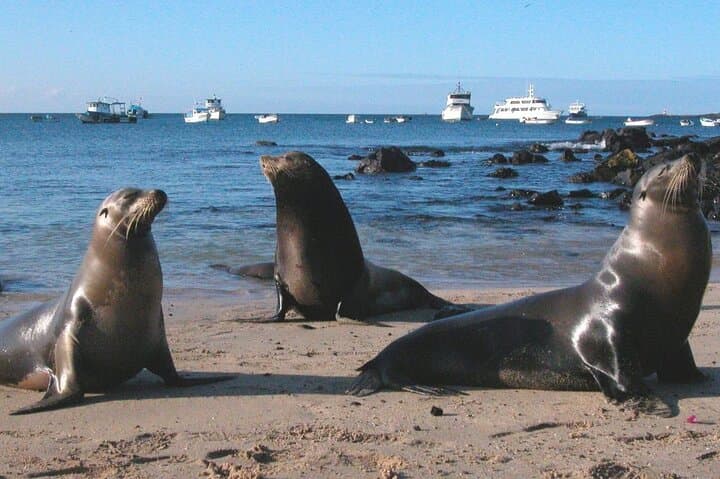
Yes — the itinerary visits varied habitats where you have strong chances to see blue-footed boobies, marine iguanas, sea lions and tortoises depending on the island visited.
This tour typically sells as non-refundable; confirm terms at booking and consider travel insurance that covers cancellations and medical evacuation.
The islands rose from volcanic activity and became a crucible for evolutionary study; human settlement and fishing later shaped local culinary traditions.
The Galápagos National Park enforces strict visitor rules; support local guides, avoid single-use plastics and choose reef-safe sun protection to minimize impact.
Rebecca Adventure Travel operates guided outdoor trips and adventures with an emphasis on safety, stewardship, and memorable experiences.
Dawn on San Cristóbal arrives with a salt tang that licks the hotel rooftop where the group gathers for its first coffee. Pelicans quarter the water below and the town’s fishermen move with the steady calm of people who work with tides instead of against them. Over seven days the itinerary folds between kitchens, coastal boats and volcanic ridgelines — a deliberate rhythm of tasting, walking and snorkeling that introduces the archipelago by palate and by path.
Dawn on San Cristóbal arrives with a salt tang that licks the hotel rooftop where the group gathers for its first coffee. Pelicans quarter the water below and the town’s fishermen move with the steady calm of people who work with tides instead of against them. Over seven days the itinerary folds between kitchens, coastal boats and volcanic ridgelines — a deliberate rhythm of tasting, walking and snorkeling that introduces the archipelago by palate and by path.
The Galápagos are older than the nations that now claim them; their story is written in basalt and coral. Volcanoes built islands from the depths, then wildlife — unafraid and uncompromising — adapted in isolation. That geological bluntness produces compact landscapes: lava fields that cool into jagged sculpture, volcanic craters with wide, wind-swept rims and shallow bays that flirt with strong currents. Humans arrived late in the story but quickly added a new chapter: a local culinary scene that mines the sea’s abundance while learning to balance tourism and protection.
This small-group, multi-island tour pairs food-forward experiences with classic Galápagos highlights. Expect a farm-to-table lunch high on San Cristóbal, a rooftop cocktail watching frigatebirds crest the windline, a close-up snorkel at Kicker Rock among rays and reef sharks, and a day in the calm tunnels at Isabela where turtles and sea stars pulse beneath glass-clear surfaces. You’ll fly between islands and ride speedboats across channels — the water will both give you its best and remind you of its rules.
Culturally, the trip unfolds in working towns rather than postcard resorts. You’ll visit fish markets where crews gut and sort daily hauls, then turn that catch into sushi and ceviche at a cooking class. Meals are local stories: the farmer who raised the beans, the fisherman who knows where the bonito runs, the chef translating that knowledge into plates.
Practicalities matter. The trip moves fast: inter-island flights and two-hour speedboat crossings are common, and snorkeling conditions vary from glassy to choppy. Bring reef-safe sunscreen, a well-fitting mask (equipment is provided but many travelers prefer their own), and a light waterproof layer for early mornings and boat spray. Pay attention to park briefings — trails are short but strictly regulated, and wildlife encounters require restraint as much as curiosity.
By week’s end, you’ll understand this place as a system: currents shaping food chains, geology shaping human routes, and careful tourism shaping livelihoods. The adventure is sensory — salt, smoke, citrus — but also practical: come prepared, respectful, and ready to listen.