THE ADVENTURE COLLECTIVE® · Independent discovery and booking for outdoor travel

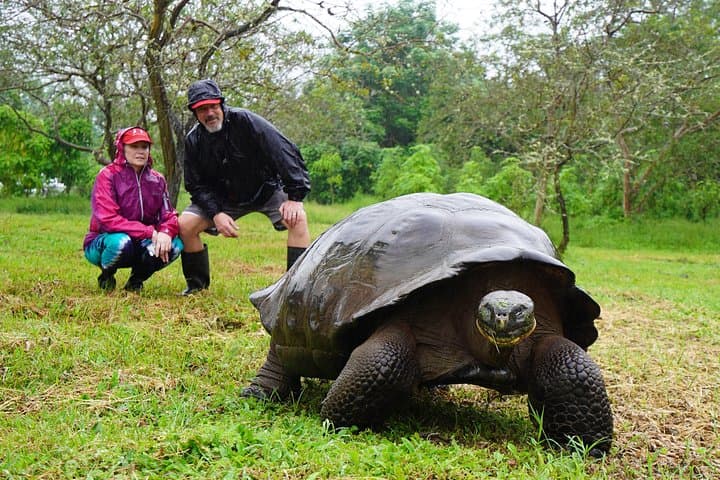
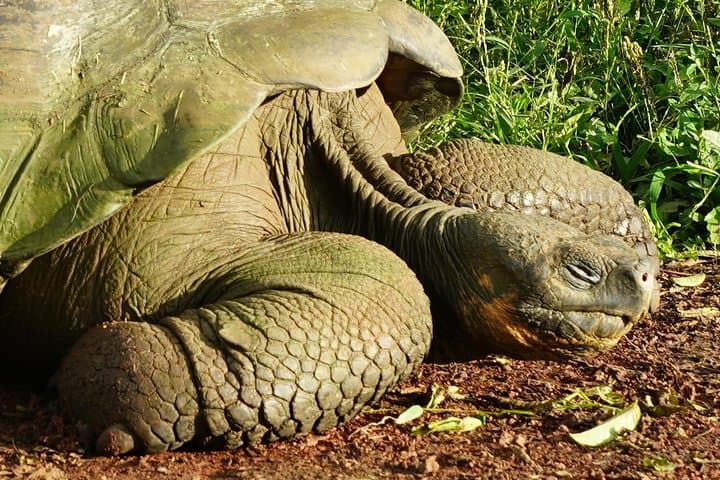
Spend seven days exploring the Galapagos on land-based excursions: snorkel lava tunnels, search for giant tortoises in the highlands, and visit Isla Lobos and the Charles Darwin Research Station. This itinerary balances guided wildlife encounters with free time to explore beaches and trails.
Spend seven days exploring the Galapagos on land-based excursions: snorkel lava tunnels, search for giant tortoises in the highlands, and visit Isla Lobos and the Charles Darwin Research Station. This itinerary balances guided wildlife encounters with free time to explore beaches and trails.
A shoreline of black lava scores the sea; sea lions yawn on sun-warmed rocks while blue-footed boobies stamp their feet on nearby cacti-studded flats. On this land-based week in the Galapagos, each morning brings a different stage — a tortoise grazing in misty highlands, a snorkel through sculpted lava tunnels where currents dare you to follow, and a twilight walk past the Charles Darwin Research Station where evolution feels immediate.
Verified experiences and guided adventures in the surrounding area.
Operated by Adventure Journeys · Puerto Ayora, Galapagos
A shoreline of black lava scores the sea; sea lions yawn on sun-warmed rocks while blue-footed boobies stamp their feet on nearby cacti-studded flats. On this land-based week in the Galapagos, each morning brings a different stage — a tortoise grazing in misty highlands, a snorkel through sculpted lava tunnels where currents dare you to follow, and a twilight walk past the Charles Darwin Research Station where evolution feels immediate.
The islands are young volcanoes rising from the Pacific; their layered flows and collapsed tubes record eruptions that shaped unique habitats. Human history here is short but intense — whalers, guano collectors, then scientists led by Darwin — and modern life balances community needs with strict conservation rules that protect endemic species.
Expect short guided hikes (mostly under two hours), boat transfers between islands, and multiple snorkels in clear but variably cool water. Temperatures swing by season: December–May brings warmer seas and more sunlight; June–November is cooler with nutrient-rich upwelling that draws different marine life. Guides carry interpretation and enforce biosecurity: boots, bags and gear are inspected to limit invasive species.
Practical tips: fly from Quito to Baltra or San Cristóbal, budget for national park fees and a few meals not included, and plan light layers for nighttime chill. Footwear should handle uneven volcanic trails and beaches. If you want close wildlife encounters, move slowly, follow your guide, and keep a respectful distance — the islands’ animals do not fear humans, and that’s part of their power.
easy.
7 days.
Suitable for most travelers; short hikes (≈1 hour) and easy snorkels require basic mobility and comfort with boats.
Yes — a passport valid at least six months is required; national park entrance fees and inspection procedures apply on arrival to the Galapagos.
Yes — most snorkels are in shallow, calm bays with provided flotation devices; guides brief abilities and accompany groups.
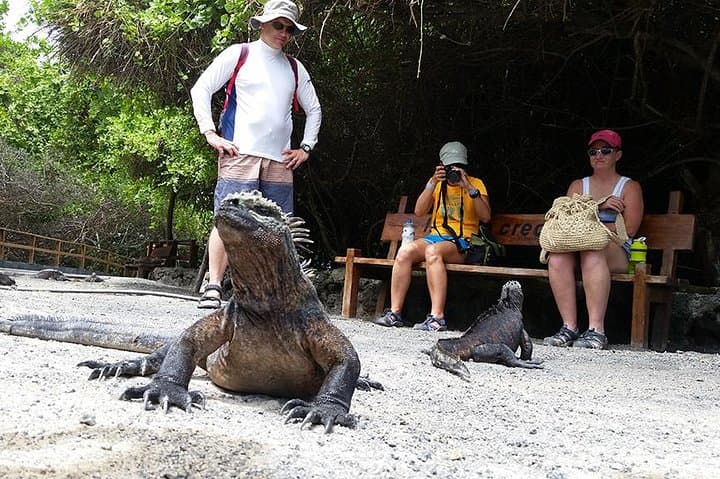
Common sightings include Galapagos giant tortoises, marine iguanas, blue-footed boobies, sea lions, and many reef fishes; sightings cannot be guaranteed.
Walks are generally short (about one hour on average) over uneven volcanic terrain; basic mobility is enough, but bring supportive shoes.
The Galapagos were formed by volcanic activity over millions of years and became key to Charles Darwin’s theory after his 1835 visit; human settlement and conservation efforts followed in the 20th century.
Strict biosecurity, guided access, and national park regulations limit visitor impact; choose reef-safe products, stay on marked trails and follow guide instructions to support long-term protection.
Adventure Journeys operates guided outdoor trips and adventures with an emphasis on safety, stewardship, and memorable experiences.
A shoreline of black lava scores the sea; sea lions yawn on sun-warmed rocks while blue-footed boobies stamp their feet on nearby cacti-studded flats. On this land-based week in the Galapagos, each morning brings a different stage — a tortoise grazing in misty highlands, a snorkel through sculpted lava tunnels where currents dare you to follow, and a twilight walk past the Charles Darwin Research Station where evolution feels immediate.
A shoreline of black lava scores the sea; sea lions yawn on sun-warmed rocks while blue-footed boobies stamp their feet on nearby cacti-studded flats. On this land-based week in the Galapagos, each morning brings a different stage — a tortoise grazing in misty highlands, a snorkel through sculpted lava tunnels where currents dare you to follow, and a twilight walk past the Charles Darwin Research Station where evolution feels immediate.
The islands are young volcanoes rising from the Pacific; their layered flows and collapsed tubes record eruptions that shaped unique habitats. Human history here is short but intense — whalers, guano collectors, then scientists led by Darwin — and modern life balances community needs with strict conservation rules that protect endemic species.
Expect short guided hikes (mostly under two hours), boat transfers between islands, and multiple snorkels in clear but variably cool water. Temperatures swing by season: December–May brings warmer seas and more sunlight; June–November is cooler with nutrient-rich upwelling that draws different marine life. Guides carry interpretation and enforce biosecurity: boots, bags and gear are inspected to limit invasive species.
Practical tips: fly from Quito to Baltra or San Cristóbal, budget for national park fees and a few meals not included, and plan light layers for nighttime chill. Footwear should handle uneven volcanic trails and beaches. If you want close wildlife encounters, move slowly, follow your guide, and keep a respectful distance — the islands’ animals do not fear humans, and that’s part of their power.