THE ADVENTURE COLLECTIVE® · Independent discovery and booking for outdoor travel

A week that pairs highland treks with an overnight karst cruise: ascend Fansipan by cable car, trek village trails through Muong Hoa Valley, then unwind paddling and cave-exploring in Bai Tu Long Bay. Practical routes and cultural encounters make this trip accessible to many travelers.
A week that pairs highland treks with an overnight karst cruise: ascend Fansipan by cable car, trek village trails through Muong Hoa Valley, then unwind paddling and cave-exploring in Bai Tu Long Bay. Practical routes and cultural encounters make this trip accessible to many travelers.
You step off the overnight train into damp mountain air and Sapa unfolds: serrated ridgelines, terraces stepping down toward a hidden valley, and clouds moving like a slow tide beneath the Hoang Lien Son range.
Verified experiences and guided adventures in the surrounding area.
Operated by Little Orchid Travel · Hanoi, Hanoi
You step off the overnight train into damp mountain air and Sapa unfolds: serrated ridgelines, terraces stepping down toward a hidden valley, and clouds moving like a slow tide beneath the Hoang Lien Son range.
This 7-day route threads Vietnam’s northern highlights — a cable-car ascent to Fansipan’s 3,143m ridge, easy village treks through Muong Hoa Valley, and a two-night cruise across the limestone towers of Bai Tu Long and Ha Long Bay. Sapa’s landscape was shaped by glacial and fluvial action; the terraces you walk on are living geology, maintained by H’mong and Dzay communities for generations. French colonial records named Sapa a hill station around 1900, but the area’s identity is older and carried in local textiles, house-building techniques, and upland agriculture.
Expect short to moderate walks each day (2–4 hours), cultural stops at Cat Cat and Ta Van, and daylight hours on deck for karst panoramas, cave visits, and kayaking near Cap La Island. Nature here has a presence of its own: the valley will push cool air into your face; the bay will hold you in a slow current of stone and sea.
Practical guidance: travel light with layered clothing for rapidly changing mountain weather, bring sturdy shoes for wet trails and steps, and carry cash for small village purchases. Cable car spares the technical climb to Fansipan, but acclimatize and hydrate before stair sections. On the cruise, sunscreen and a waterproof bag for phones will keep you comfortable on kayak and shore excursions.
moderate.
7 days (6 nights).
Moderate fitness recommended: ability to walk 2–4 hours on uneven trails and climb stairs at altitude.
No — the cable car takes you high up; a final set of stairs (about 300) leads to the summit viewpoint.
Yes — the itinerary emphasizes easy treks and cable-car access, but multi-day travel and transfers require reasonable mobility.
Typical inclusions are cabin accommodation, meals, kayaking, cave visits and onboard activities; specifics are listed in the booking inclusions.
Many nationalities require a visa; the package includes an approval letter for visa-on-arrival, but confirm your embassy rules before travel.
Sapa became a French hill station in the early 20th century; the region’s terraces and textiles reflect centuries of upland agriculture and minority cultures such as the H’mong, Dzay and Red Dao.
Ha Long and Bai Tu Long face overuse; choose operators that follow waste-disposal rules, avoid single-use plastics, and respect village customs to reduce impact.
Little Orchid Travel operates guided outdoor trips and adventures with an emphasis on safety, stewardship, and memorable experiences.
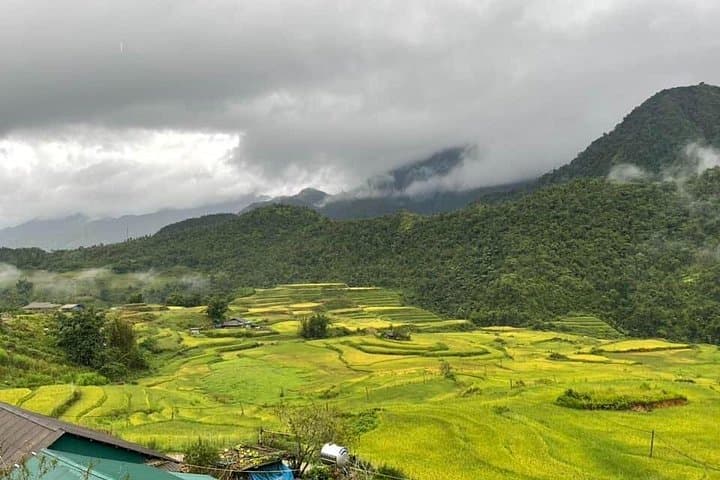
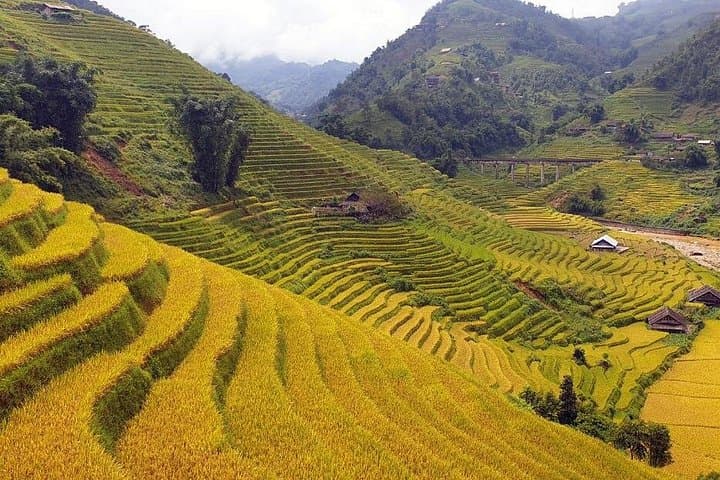
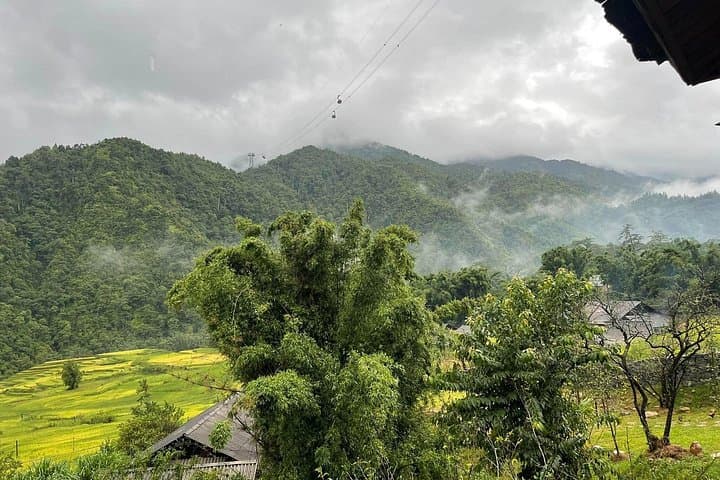

You step off the overnight train into damp mountain air and Sapa unfolds: serrated ridgelines, terraces stepping down toward a hidden valley, and clouds moving like a slow tide beneath the Hoang Lien Son range.
You step off the overnight train into damp mountain air and Sapa unfolds: serrated ridgelines, terraces stepping down toward a hidden valley, and clouds moving like a slow tide beneath the Hoang Lien Son range.
This 7-day route threads Vietnam’s northern highlights — a cable-car ascent to Fansipan’s 3,143m ridge, easy village treks through Muong Hoa Valley, and a two-night cruise across the limestone towers of Bai Tu Long and Ha Long Bay. Sapa’s landscape was shaped by glacial and fluvial action; the terraces you walk on are living geology, maintained by H’mong and Dzay communities for generations. French colonial records named Sapa a hill station around 1900, but the area’s identity is older and carried in local textiles, house-building techniques, and upland agriculture.
Expect short to moderate walks each day (2–4 hours), cultural stops at Cat Cat and Ta Van, and daylight hours on deck for karst panoramas, cave visits, and kayaking near Cap La Island. Nature here has a presence of its own: the valley will push cool air into your face; the bay will hold you in a slow current of stone and sea.
Practical guidance: travel light with layered clothing for rapidly changing mountain weather, bring sturdy shoes for wet trails and steps, and carry cash for small village purchases. Cable car spares the technical climb to Fansipan, but acclimatize and hydrate before stair sections. On the cruise, sunscreen and a waterproof bag for phones will keep you comfortable on kayak and shore excursions.