THE ADVENTURE COLLECTIVE® · Independent discovery and booking for outdoor travel

Traverse Botswana’s greatest wildlife habitats in seven days: mokoro rides among delta channels, game drives through Moremi’s lagoons and campfire nights beneath Kalahari skies. This expedition pairs immersive wildlife viewing with mid‑range camping and local cultural touches.
Traverse Botswana’s greatest wildlife habitats in seven days: mokoro rides among delta channels, game drives through Moremi’s lagoons and campfire nights beneath Kalahari skies. This expedition pairs immersive wildlife viewing with mid‑range camping and local cultural touches.
Dawn opens like a stage light over rippling channels as mokoros slip through mirrored water; later the horizon flattens into the wide, sun-baked pans of the Central Kalahari. This seven-day expedition moves from the water‑woven ecosystem of the Okavango and Moremi to the vast, ochre plains of the Central Kalahari Game Reserve, offering nights at mid‑range camps and days of guided game drives, mokoro trips and nature walks.
Verified experiences and guided adventures in the surrounding area.
Operated by Xaa Safaris · Maun, Ngamiland
Dawn opens like a stage light over rippling channels as mokoros slip through mirrored water; later the horizon flattens into the wide, sun-baked pans of the Central Kalahari. This seven-day expedition moves from the water‑woven ecosystem of the Okavango and Moremi to the vast, ochre plains of the Central Kalahari Game Reserve, offering nights at mid‑range camps and days of guided game drives, mokoro trips and nature walks.
Geologically the Okavango Delta is an inland flood basin fed by Angolan rains, creating braided channels, lagoons and permanent islands that sustain dense birdlife and large mammals. Moremi sits on the delta’s eastern edge where river channels cut into mopane woodland; the Central Kalahari is largely ancient sandveld and pans that swell after summer rains, attracting grazers. Cultural threads run through the trip: local guides share Tswana and San histories, and camp meals often reflect regional flavors.
Expect close wildlife encounters—elephants at water’s edge, prides lounging in shade, and abundant waterfowl—plus nightly star views aided by minimal light pollution. Practically, the route requires moderately fit travelers comfortable with unpaved roads, intermittent walking and basic camping comforts: sturdy boots, layered clothing for hot days and cool nights, a good camera and binoculars. Hydration, sun protection and insect repellent are essential. Travel during the dry, high‑flood months (June–September) improves visibility for game viewing; rains (November–February) bring flowering plains and fewer predictable sightings. Guides handle logistics—park fees, transfers and most meals—while you should carry personal medications, travel insurance and a sense of flexibility. This itinerary is for those who want both the delta’s hush and the Kalahari’s open, elemental scale.
moderate.
7 days.
Moderate fitness recommended; you should be comfortable with several hours of game‑drive sitting, short walks and uneven ground.
This is a remote, guided camping expedition with mid‑range meru tents, shared facilities and hot camp showers at select camps; expect basic comforts rather than lodgeluxury.
Parts of Botswana are malaria risk areas; consult your healthcare provider about prophylaxis and always use insect repellent and bed nets where provided.
Yes—meals as listed (breakfast, lunch, most dinners) and all park fees, transportation and camping equipment are included in the itinerary details provided by the operator.
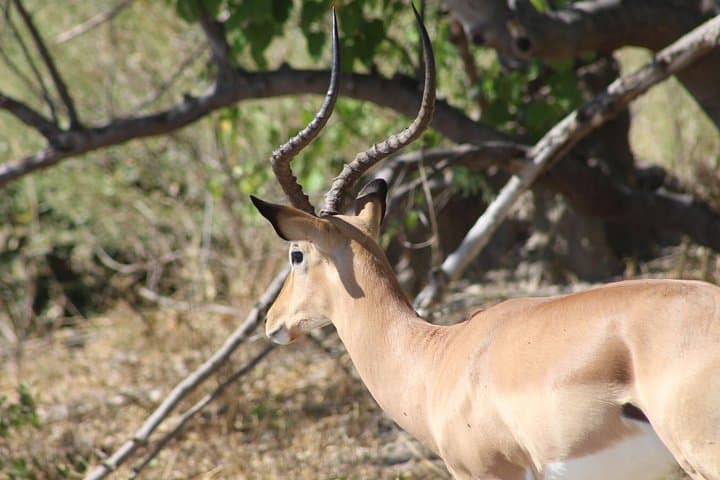
High potential for sightings—elephants, buffalo, antelope and predators—especially in the delta during high‑water months and in the Kalahari after rains; sightings are never guaranteed.
The region has long been home to Tswana communities and San hunter‑gatherers; local guides often share stories and land knowledge passed down through generations.
The Okavango is a Ramsar‑recognised wetland and tourism here supports local conservation and communities; visitors should follow leave‑no‑trace principles and respect wildlife distances.
Xaa Safaris operates guided outdoor trips and adventures with an emphasis on safety, stewardship, and memorable experiences.



Dawn opens like a stage light over rippling channels as mokoros slip through mirrored water; later the horizon flattens into the wide, sun-baked pans of the Central Kalahari. This seven-day expedition moves from the water‑woven ecosystem of the Okavango and Moremi to the vast, ochre plains of the Central Kalahari Game Reserve, offering nights at mid‑range camps and days of guided game drives, mokoro trips and nature walks.
Dawn opens like a stage light over rippling channels as mokoros slip through mirrored water; later the horizon flattens into the wide, sun-baked pans of the Central Kalahari. This seven-day expedition moves from the water‑woven ecosystem of the Okavango and Moremi to the vast, ochre plains of the Central Kalahari Game Reserve, offering nights at mid‑range camps and days of guided game drives, mokoro trips and nature walks.
Geologically the Okavango Delta is an inland flood basin fed by Angolan rains, creating braided channels, lagoons and permanent islands that sustain dense birdlife and large mammals. Moremi sits on the delta’s eastern edge where river channels cut into mopane woodland; the Central Kalahari is largely ancient sandveld and pans that swell after summer rains, attracting grazers. Cultural threads run through the trip: local guides share Tswana and San histories, and camp meals often reflect regional flavors.
Expect close wildlife encounters—elephants at water’s edge, prides lounging in shade, and abundant waterfowl—plus nightly star views aided by minimal light pollution. Practically, the route requires moderately fit travelers comfortable with unpaved roads, intermittent walking and basic camping comforts: sturdy boots, layered clothing for hot days and cool nights, a good camera and binoculars. Hydration, sun protection and insect repellent are essential. Travel during the dry, high‑flood months (June–September) improves visibility for game viewing; rains (November–February) bring flowering plains and fewer predictable sightings. Guides handle logistics—park fees, transfers and most meals—while you should carry personal medications, travel insurance and a sense of flexibility. This itinerary is for those who want both the delta’s hush and the Kalahari’s open, elemental scale.