THE ADVENTURE COLLECTIVE® · Independent discovery and booking for outdoor travel

From Arusha to the Ngorongoro Crater, this seven-day safari threads Tarangire, the Serengeti and Lake Manyara for close-up wildlife viewing and landscape history. Early starts, long drives and dramatic animal encounters make this a classic East African circuit.
From Arusha to the Ngorongoro Crater, this seven-day safari threads Tarangire, the Serengeti and Lake Manyara for close-up wildlife viewing and landscape history. Early starts, long drives and dramatic animal encounters make this a classic East African circuit.
A dawn light washes across flat grasslands as your safari vehicle hums to life—acacia silhouettes sharpen against a pale horizon and the distant rumble of elephant herds punctuates the silence. Over seven days from Arusha you move between Tarangire’s dry-season congregations, the wide-open plains of the Serengeti, the fossil-rich Olduvai Rift, the bowl of Ngorongoro Crater and the forested margins of Lake Manyara.
Verified experiences and guided adventures in the surrounding area.
Operated by Tanzania Wildlife Adventures · Arusha, Arusha
A dawn light washes across flat grasslands as your safari vehicle hums to life—acacia silhouettes sharpen against a pale horizon and the distant rumble of elephant herds punctuates the silence. Over seven days from Arusha you move between Tarangire’s dry-season congregations, the wide-open plains of the Serengeti, the fossil-rich Olduvai Rift, the bowl of Ngorongoro Crater and the forested margins of Lake Manyara.
This route follows the eastern arm of the Great Rift Valley. Geological uplift and volcanic ash have shaped soils and watering holes that concentrate wildlife; Olduvai Gorge preserves layers of human prehistory that explain why people first camped here. Local Maasai culture remains visible in villages and on the roadside, and lodges range from comfortable hotels in Arusha to full-board safari lodges inside protected areas.
Expect early starts, long game drives (typically 3–6 hours with picnic lunches) and evenings at modest lodges or tented camps. January–March can offer calving season in parts of the Serengeti, when predators and newborns create intense viewing but also unpredictable animal movements. Vehicles are 4x4s with pop-up roofs for observation; optional walking or nocturnal drives may be available as add-ons.
Practical guidance: carry layered clothing for cool mornings and hot afternoons, bring binoculars and a camera with a decent zoom, and pack motion-sickness remedies for bumpy dirt roads. Vaccinations, malaria prophylaxis and travel insurance are recommended. Respect park rules—stay inside the vehicle unless your guide authorizes a stop—and tip guides and lodge staff locally. With moderate fitness and patience for long drives, this circuit delivers concentrated, close-up wildlife encounters and landscape history in equal measure.
moderate.
7 days.
Moderate fitness: you’ll spend long hours in vehicles and short walks on uneven ground; stair-free lodgings are common but some camps have steps.
January–March offers calving in parts of the Serengeti and active predator-prey interactions; dry season months concentrate wildlife at permanent water sources for easier viewing.
Confirm with the operator—many multi-day packages include park entry and crater fees, but some optional activities or conservation levies can be additional.
The tour notes wheelchair accessibility for some areas and family-friendly options, but vehicle-based game drives with uneven lodge access can be challenging—check specifics with the operator before booking.
Health advice changes—consult your doctor for recommended vaccines and malaria prophylaxis well before travel, and carry travel insurance that covers medical evacuation.
The route follows parts of the Great Rift Valley; Olduvai Gorge preserves archaeological layers central to understanding early human evolution.
Parks operate with strict regulations to protect habitat and species; support responsible operators who follow park guidelines, pay local levies, and minimize off-track driving.
Tanzania Wildlife Adventures operates guided outdoor trips and adventures with an emphasis on safety, stewardship, and memorable experiences.
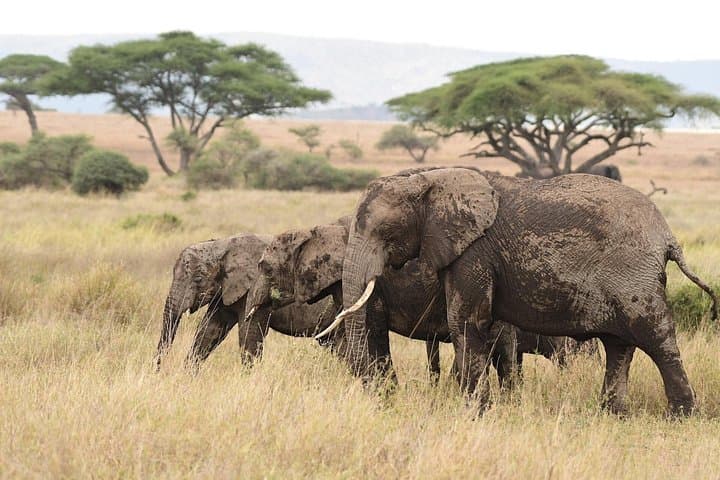
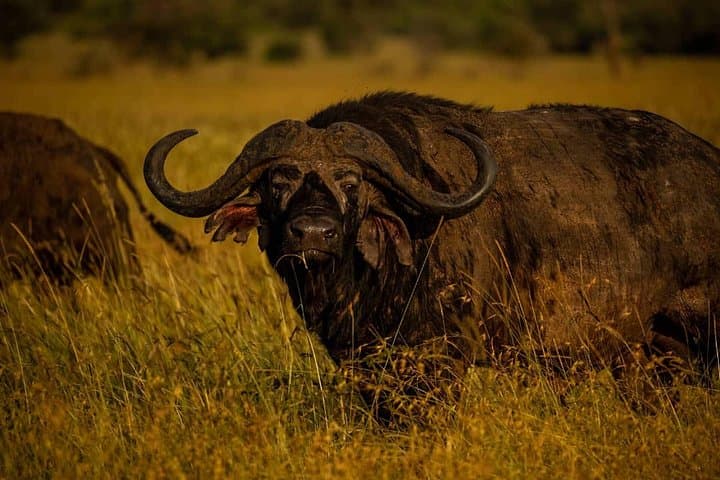

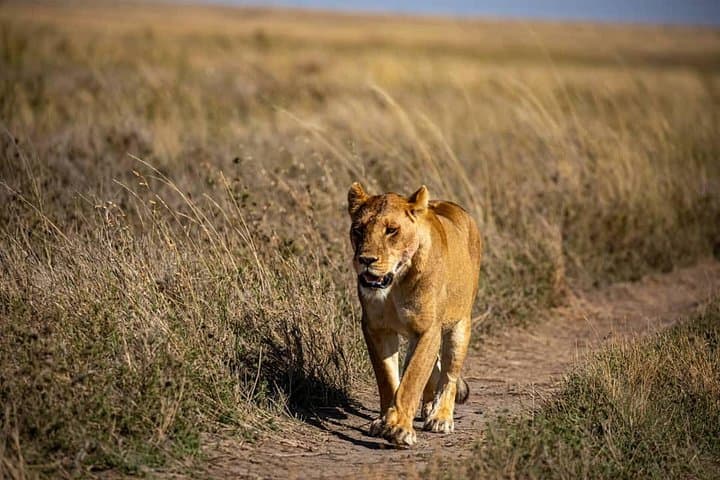
A dawn light washes across flat grasslands as your safari vehicle hums to life—acacia silhouettes sharpen against a pale horizon and the distant rumble of elephant herds punctuates the silence. Over seven days from Arusha you move between Tarangire’s dry-season congregations, the wide-open plains of the Serengeti, the fossil-rich Olduvai Rift, the bowl of Ngorongoro Crater and the forested margins of Lake Manyara.
A dawn light washes across flat grasslands as your safari vehicle hums to life—acacia silhouettes sharpen against a pale horizon and the distant rumble of elephant herds punctuates the silence. Over seven days from Arusha you move between Tarangire’s dry-season congregations, the wide-open plains of the Serengeti, the fossil-rich Olduvai Rift, the bowl of Ngorongoro Crater and the forested margins of Lake Manyara.
This route follows the eastern arm of the Great Rift Valley. Geological uplift and volcanic ash have shaped soils and watering holes that concentrate wildlife; Olduvai Gorge preserves layers of human prehistory that explain why people first camped here. Local Maasai culture remains visible in villages and on the roadside, and lodges range from comfortable hotels in Arusha to full-board safari lodges inside protected areas.
Expect early starts, long game drives (typically 3–6 hours with picnic lunches) and evenings at modest lodges or tented camps. January–March can offer calving season in parts of the Serengeti, when predators and newborns create intense viewing but also unpredictable animal movements. Vehicles are 4x4s with pop-up roofs for observation; optional walking or nocturnal drives may be available as add-ons.
Practical guidance: carry layered clothing for cool mornings and hot afternoons, bring binoculars and a camera with a decent zoom, and pack motion-sickness remedies for bumpy dirt roads. Vaccinations, malaria prophylaxis and travel insurance are recommended. Respect park rules—stay inside the vehicle unless your guide authorizes a stop—and tip guides and lodge staff locally. With moderate fitness and patience for long drives, this circuit delivers concentrated, close-up wildlife encounters and landscape history in equal measure.