THE ADVENTURE COLLECTIVE® · Independent discovery and booking for outdoor travel

A compact, expert-led seven-day loop through Egypt’s headline archaeological sites—Giza, Luxor, Aswan and Abu Simbel—plus the lesser-visited temples of Edfu and Kom Ombo. Expect guided walks, domestic flights, Nile crossings and sustained sun: plan early starts, sun protection, and steady walking shoes.
A compact, expert-led seven-day loop through Egypt’s headline archaeological sites—Giza, Luxor, Aswan and Abu Simbel—plus the lesser-visited temples of Edfu and Kom Ombo. Expect guided walks, domestic flights, Nile crossings and sustained sun: plan early starts, sun protection, and steady walking shoes.
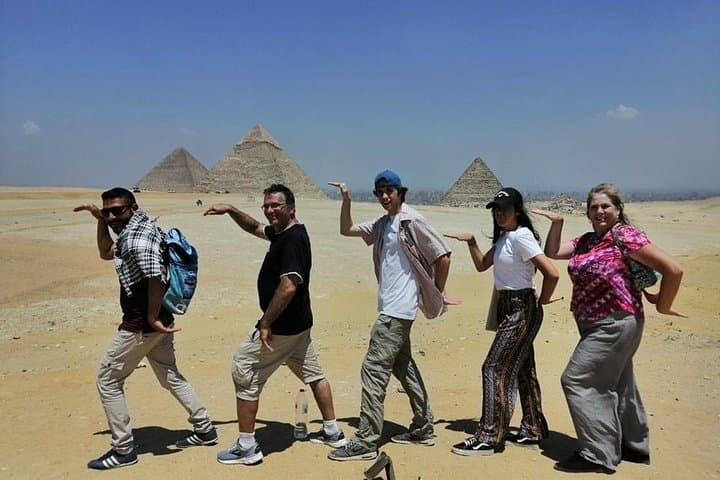
You begin beneath a broad desert sky: the Pyramids of Giza rise against a merciless sun while the Nile, farther south, threads the valley like a slow, daring ribbon. This seven-day loop moves you from Cairo’s frenetic streets to Luxor’s royal tombs, downriver to Aswan’s granite quarries and the relocated Philae, and out to the rock-cut majesty of Abu Simbel.
Verified experiences and guided adventures in the surrounding area.
Operated by Upper Egypt Services · Cairo, Cairo
You begin beneath a broad desert sky: the Pyramids of Giza rise against a merciless sun while the Nile, farther south, threads the valley like a slow, daring ribbon. This seven-day loop moves you from Cairo’s frenetic streets to Luxor’s royal tombs, downriver to Aswan’s granite quarries and the relocated Philae, and out to the rock-cut majesty of Abu Simbel.
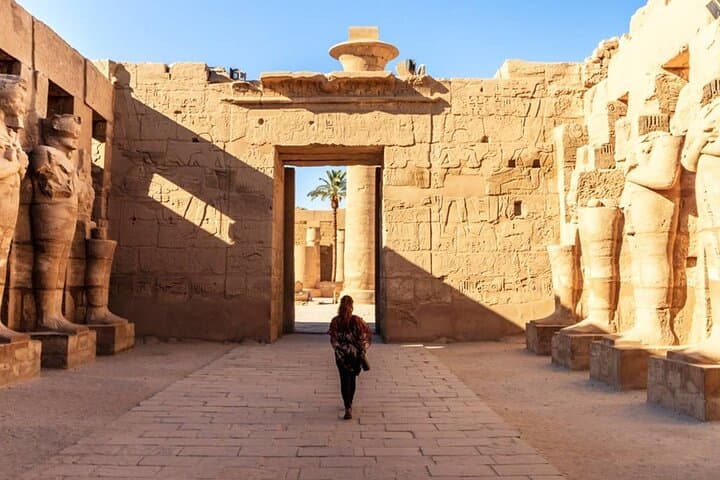
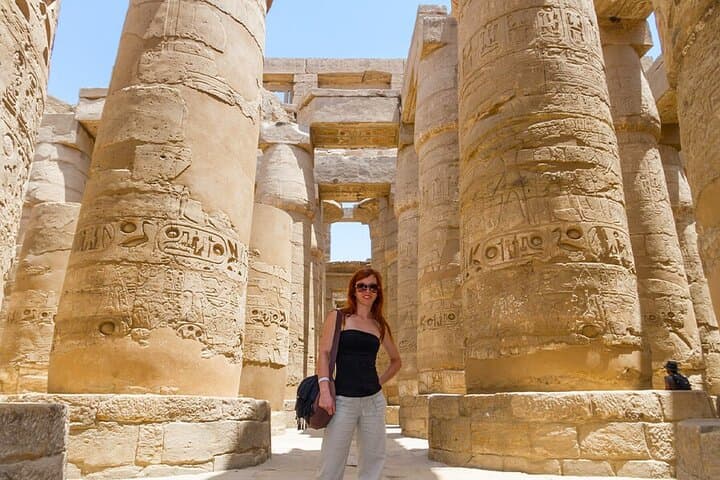
The itinerary stitches together epochs—Old Kingdom pyramids at Giza, New Kingdom mortuary temples in Luxor and the Valley of the Kings, Greco-Roman reliefs at Edfu, and the twin sanctuaries of Kom Ombo. Geology is visible in the stone itself: limestone casing for Giza, sandstone colossi at Luxor, and the pink granite of Aswan’s quarries and obelisks. Cultural threads are immediate: ritual spaces, Nile-dependent agriculture, and modern efforts to protect monuments (note the UNESCO-led Nubia relocations).
Expect guided walks across uneven stone, short museum tours, a Nile boat transfer, and domestic flights linking cities—most site visits run 1–3 hours. Heat and sun dominate daytime travel; mornings and late afternoons are best for photos and cooler touring.
Practical guidance: book early-morning entries to major temples, carry at least 2–3 liters of water, sun protection, and comfortable, grippy shoes for temple steps and sandy approaches. Allow time between flights and site visits—the rhythm of Egypt’s great sites rewards patience. With an Egyptologist guide and private transfers included, this tour maximizes access while keeping the logistics simple.
moderate.
7 days.
Moderate stamina for several days of walking on uneven stone, stairs, and short transfers; able to handle heat.
Yes—domestic flights connecting Cairo, Luxor and Aswan are included in the itinerary to save transit time.
Many areas have uneven surfaces and steps; the tour lists wheelchair-accessible options but some temple interiors and tombs are not wheelchair-friendly—consult the operator when booking.
Most travelers require a visa for Egypt—check current entry rules and obtain an e-visa or window visa in advance depending on nationality.
Tipping is customary for guides, drivers and service staff; budget modest gratuities per day for the guide and per transfer for drivers, and small amounts at sites as appropriate.
The sites visited span millennia—from 4th Dynasty pyramids at Giza to New Kingdom Luxor tombs and Ptolemaic-era temples like Edfu—reflecting continuous civilization along the Nile.
Major relocation projects (e.g., Philae’s move) and UNESCO programs protect monuments from damming and flooding; visitors can help by staying on marked paths and avoiding flash photography where prohibited.
Upper Egypt Services operates guided outdoor trips and adventures with an emphasis on safety, stewardship, and memorable experiences.
You begin beneath a broad desert sky: the Pyramids of Giza rise against a merciless sun while the Nile, farther south, threads the valley like a slow, daring ribbon. This seven-day loop moves you from Cairo’s frenetic streets to Luxor’s royal tombs, downriver to Aswan’s granite quarries and the relocated Philae, and out to the rock-cut majesty of Abu Simbel.
You begin beneath a broad desert sky: the Pyramids of Giza rise against a merciless sun while the Nile, farther south, threads the valley like a slow, daring ribbon. This seven-day loop moves you from Cairo’s frenetic streets to Luxor’s royal tombs, downriver to Aswan’s granite quarries and the relocated Philae, and out to the rock-cut majesty of Abu Simbel.
The itinerary stitches together epochs—Old Kingdom pyramids at Giza, New Kingdom mortuary temples in Luxor and the Valley of the Kings, Greco-Roman reliefs at Edfu, and the twin sanctuaries of Kom Ombo. Geology is visible in the stone itself: limestone casing for Giza, sandstone colossi at Luxor, and the pink granite of Aswan’s quarries and obelisks. Cultural threads are immediate: ritual spaces, Nile-dependent agriculture, and modern efforts to protect monuments (note the UNESCO-led Nubia relocations).
Expect guided walks across uneven stone, short museum tours, a Nile boat transfer, and domestic flights linking cities—most site visits run 1–3 hours. Heat and sun dominate daytime travel; mornings and late afternoons are best for photos and cooler touring.
Practical guidance: book early-morning entries to major temples, carry at least 2–3 liters of water, sun protection, and comfortable, grippy shoes for temple steps and sandy approaches. Allow time between flights and site visits—the rhythm of Egypt’s great sites rewards patience. With an Egyptologist guide and private transfers included, this tour maximizes access while keeping the logistics simple.