THE ADVENTURE COLLECTIVE® · Independent discovery and booking for outdoor travel

Seven days from Cairo to Abu Simbel and back across the Nile’s sweep: this private itinerary stitches Giza’s pyramids, Luxor’s tombs and Karnak’s colossi, and Aswan’s granite quarries into a compact cultural circuit. Read on for what to expect, practical tips, and little-known stops.
Seven days from Cairo to Abu Simbel and back across the Nile’s sweep: this private itinerary stitches Giza’s pyramids, Luxor’s tombs and Karnak’s colossi, and Aswan’s granite quarries into a compact cultural circuit. Read on for what to expect, practical tips, and little-known stops.
You step out of Cairo International and the city swallows you: traffic hums, the desert sits low on the horizon, and the Nile already promises movement—its current almost daring you downstream. This seven-day loop moves with a similar tempo: fast stretches of monumental history punctuated by quieter river towns where light catches stone in different ways.
Verified experiences and guided adventures in the surrounding area.
Operated by Marsa Alam Tours · Cairo, Cairo Governorate
You step out of Cairo International and the city swallows you: traffic hums, the desert sits low on the horizon, and the Nile already promises movement—its current almost daring you downstream. This seven-day loop moves with a similar tempo: fast stretches of monumental history punctuated by quieter river towns where light catches stone in different ways.
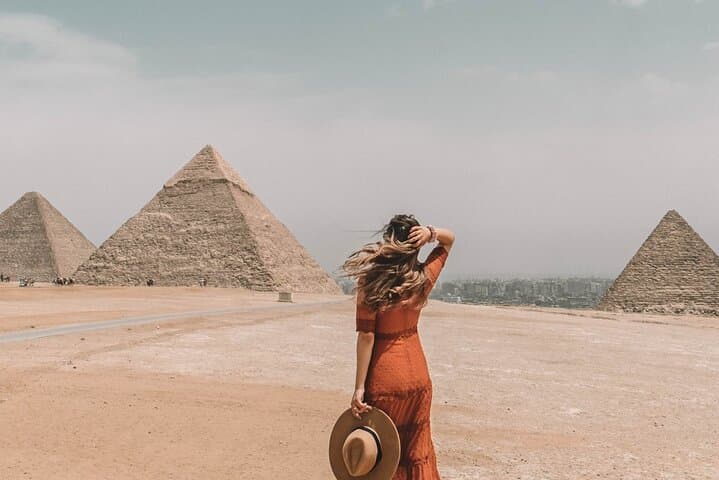
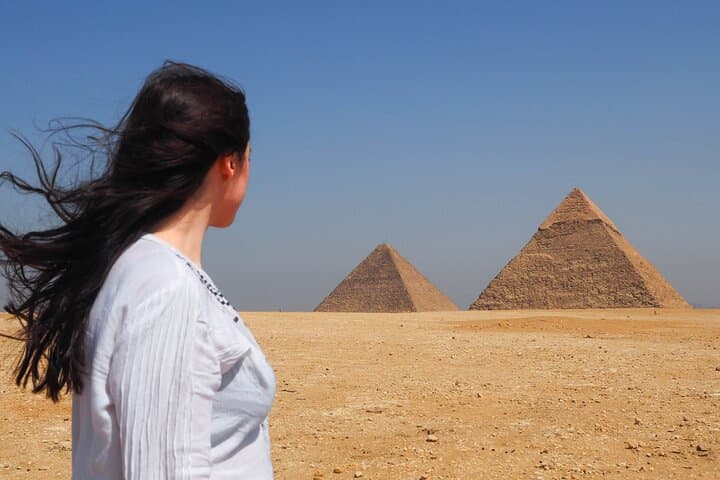
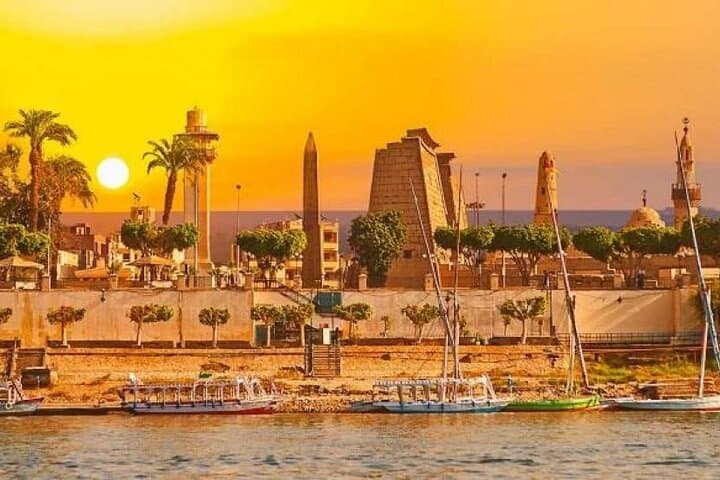
The route threads the cradle of pharaonic power — Giza’s pyramids and the Sphinx, the Egyptian Museum’s cache of Tutankhamen treasures, the temples of Luxor and Karnak whose sandstone columns still hold the weight of ritual, and Aswan’s quarries and High Dam that reshaped both landscape and politics. Abu Simbel’s twin temples, painstakingly reassembled above Lake Nasser, demonstrate modern engineering meeting ancient devotion.
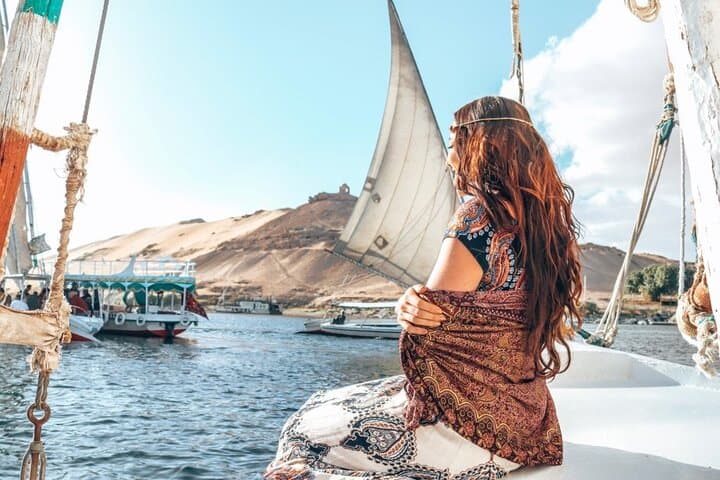
Culturally the trip spans millennia: Pharaonic tomb art, Coptic churches in Old Cairo, and Nubian villages where painted houses and crafts keep local identity visible on the Nile’s edge. Geology is visible too — granite outcrops at Aswan, silted floodplain around Luxor, and wind-sculpted desert approaching the western necropolises.
Practical edge: the itinerary includes internal flights (Cairo–Aswan–Luxor–Cairo), private transfers, and 2–3 star-to-5-star overnight stays with daily breakfasts and several lunches. Expect moderate walking on uneven stone, heat in summer, and extra entrance fees for special rooms (e.g., the Mummies Room or Tutankhamun’s tomb). Carry sun protection, refillable water, comfortable walking shoes, and copies of travel documents. Early starts avoid crowds and peak heat. With a private guide and airport pickup, logistics stay simple — you focus on reading the stone and listening to the river.
easy.
7 days.
Suitable for travelers in average fitness; involves moderate walking and climbing short sets of stone steps at temples and tombs.
Yes — the itinerary includes internal flights Cairo–Aswan–Luxor–Cairo as listed in the package inclusions.
Entrance to the Valley of the Kings is included, but visiting Tutankhamun’s tomb carries an extra fee (noted separately and payable on site).
Many nationalities require a tourist visa for Egypt; check current entry rules and arrange an e-visa or obtain a visa on arrival where eligible, and carry passport copies.
The tour notes wheelchair accessibility and accessible transport options, though some ancient sites have uneven terrain and steps that may limit access to certain areas.
This corridor follows the Nile’s life-giving floodplain where pharaonic capitals clustered; sites like Abu Simbel were relocated in the 1960s to save them from Lake Nasser.
High visitor numbers can stress ancient monuments — avoid touching reliefs, use marked paths, and minimize plastic waste to help preserve sites.
Marsa Alam Tours operates guided outdoor trips and adventures with an emphasis on safety, stewardship, and memorable experiences.
You step out of Cairo International and the city swallows you: traffic hums, the desert sits low on the horizon, and the Nile already promises movement—its current almost daring you downstream. This seven-day loop moves with a similar tempo: fast stretches of monumental history punctuated by quieter river towns where light catches stone in different ways.
You step out of Cairo International and the city swallows you: traffic hums, the desert sits low on the horizon, and the Nile already promises movement—its current almost daring you downstream. This seven-day loop moves with a similar tempo: fast stretches of monumental history punctuated by quieter river towns where light catches stone in different ways.
The route threads the cradle of pharaonic power — Giza’s pyramids and the Sphinx, the Egyptian Museum’s cache of Tutankhamen treasures, the temples of Luxor and Karnak whose sandstone columns still hold the weight of ritual, and Aswan’s quarries and High Dam that reshaped both landscape and politics. Abu Simbel’s twin temples, painstakingly reassembled above Lake Nasser, demonstrate modern engineering meeting ancient devotion.
Culturally the trip spans millennia: Pharaonic tomb art, Coptic churches in Old Cairo, and Nubian villages where painted houses and crafts keep local identity visible on the Nile’s edge. Geology is visible too — granite outcrops at Aswan, silted floodplain around Luxor, and wind-sculpted desert approaching the western necropolises.
Practical edge: the itinerary includes internal flights (Cairo–Aswan–Luxor–Cairo), private transfers, and 2–3 star-to-5-star overnight stays with daily breakfasts and several lunches. Expect moderate walking on uneven stone, heat in summer, and extra entrance fees for special rooms (e.g., the Mummies Room or Tutankhamun’s tomb). Carry sun protection, refillable water, comfortable walking shoes, and copies of travel documents. Early starts avoid crowds and peak heat. With a private guide and airport pickup, logistics stay simple — you focus on reading the stone and listening to the river.