THE ADVENTURE COLLECTIVE® · Independent discovery and booking for outdoor travel

A compact, seven-day loop through Egypt’s most iconic sites — from Cairo’s museums and the Giza plateau to Alexandria’s Corniche and Luxor’s Valley of the Kings. Practical, paced, and ideal for first-time visitors who want concentrated history with efficient transfers.
A compact, seven-day loop through Egypt’s most iconic sites — from Cairo’s museums and the Giza plateau to Alexandria’s Corniche and Luxor’s Valley of the Kings. Practical, paced, and ideal for first-time visitors who want concentrated history with efficient transfers.
You step from the airport into Cairo’s humid dusk and the city immediately takes hold — horns, shop lights, and the outline of minarets against amber sky. Over seven days the journey moves like the Nile itself: fast in places, reflective in others, carrying you from the modern bustle of Cairo to the salt-sweet air of Alexandria, then inland to the sun-baked necropolises of Luxor and the calm river islands of Aswan.
Verified experiences and guided adventures in the surrounding area.
Operated by Ramasside Tours · Cairo, Cairo Governorate
You step from the airport into Cairo’s humid dusk and the city immediately takes hold — horns, shop lights, and the outline of minarets against amber sky. Over seven days the journey moves like the Nile itself: fast in places, reflective in others, carrying you from the modern bustle of Cairo to the salt-sweet air of Alexandria, then inland to the sun-baked necropolises of Luxor and the calm river islands of Aswan.
This loop stitches together Egypt’s layers: Pharaonic tombs chiselled into limestone; Hellenistic Alexandria with its modern Bibliotheca standing near the ancient lighthouse site; the New Kingdom temples of Karnak and Luxor with their avenue of ram-headed sphinxes; and Aswan’s High Dam reshaping both landscape and livelihoods. Geology here is obvious — Nilotic alluvium feeding fertile banks, desert plateaus of sedimentary rock that hold tombs and temple quarries.
Expect guided museum time (Egyptian Museum), close approaches to pyramids and the Sphinx, a West Bank temple sweep in Luxor, a boat ride to Philae, and a coastal drive along Alexandria’s Corniche. Culture is immediate: call to prayer, street-side coffee rituals, and markets that reward patient negotiation.
Practical edge: travel uses domestic flights and trains; plan lightweight luggage for transfers, carry sun protection and a reusable water bottle, and allow extra time for museum queues and security checks. Comfortable walking shoes and respect for conservative dress in religious sites make each day smoother.
This is a paced, accessibility-friendly introduction to Egypt’s highlights — rich in history, short on technical demands, and alive at every turn.
easy.
7 days.
Suitable for most travelers; requires the ability to walk moderate distances and manage uneven ancient stone steps.
Most nationalities require a visa; check current embassy guidance or obtain an e-visa in advance for faster arrival procedures.
This itinerary includes domestic flights (Cairo–Luxor, Aswan–Cairo) and ground transfers as noted; verify timings and baggage rules before travel.
The trip is classified as easy and accessible in many parts, but some temple sites involve stairs and uneven surfaces; planners provide wheelchair-accessible transport on request.
Tipping is customary; small amounts per person per day for guides and drivers are appreciated and can be given in Egyptian pounds.
This route links Pharaonic power centers (Luxor’s temples and the Valley of the Kings) with Alexandria’s Hellenistic and medieval layers, reflecting millennia of cultural change.
Tourism concentrates at fragile antiquities and riverside ecosystems; follow site rules, avoid touching ancient surfaces, and minimize single-use plastics.
Ramasside Tours operates guided outdoor trips and adventures with an emphasis on safety, stewardship, and memorable experiences.
You step from the airport into Cairo’s humid dusk and the city immediately takes hold — horns, shop lights, and the outline of minarets against amber sky. Over seven days the journey moves like the Nile itself: fast in places, reflective in others, carrying you from the modern bustle of Cairo to the salt-sweet air of Alexandria, then inland to the sun-baked necropolises of Luxor and the calm river islands of Aswan.
You step from the airport into Cairo’s humid dusk and the city immediately takes hold — horns, shop lights, and the outline of minarets against amber sky. Over seven days the journey moves like the Nile itself: fast in places, reflective in others, carrying you from the modern bustle of Cairo to the salt-sweet air of Alexandria, then inland to the sun-baked necropolises of Luxor and the calm river islands of Aswan.
This loop stitches together Egypt’s layers: Pharaonic tombs chiselled into limestone; Hellenistic Alexandria with its modern Bibliotheca standing near the ancient lighthouse site; the New Kingdom temples of Karnak and Luxor with their avenue of ram-headed sphinxes; and Aswan’s High Dam reshaping both landscape and livelihoods. Geology here is obvious — Nilotic alluvium feeding fertile banks, desert plateaus of sedimentary rock that hold tombs and temple quarries.
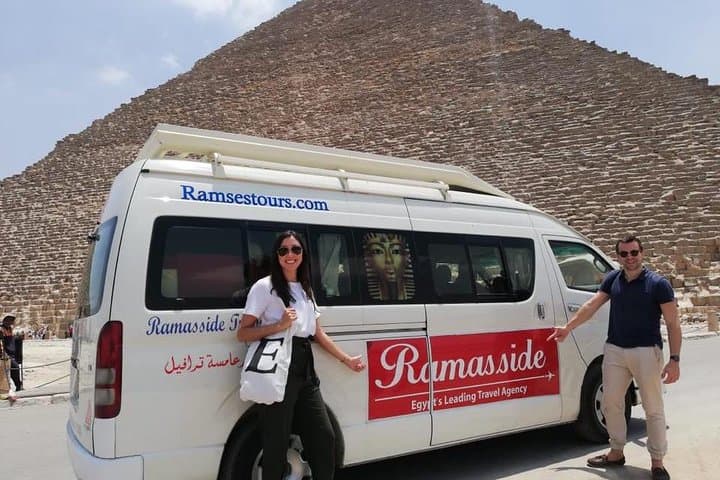
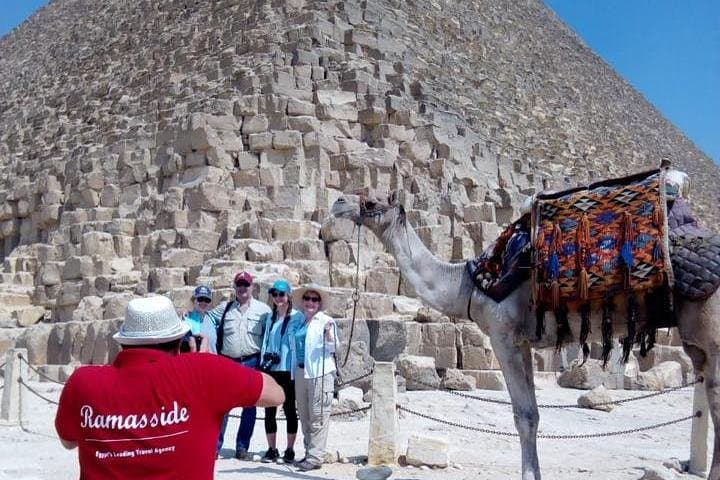
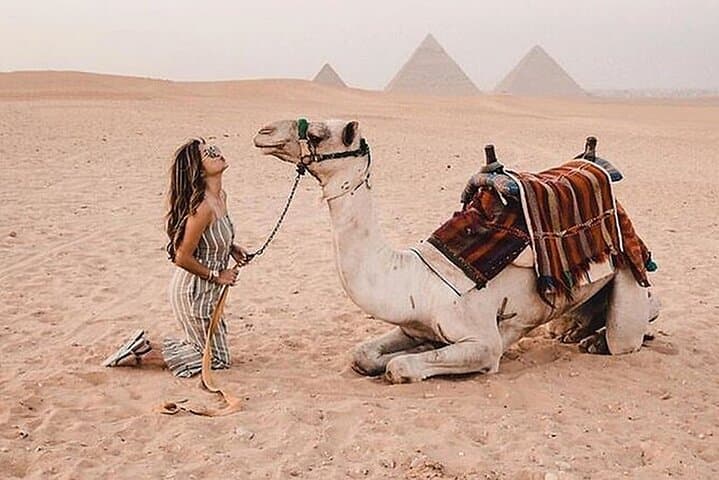
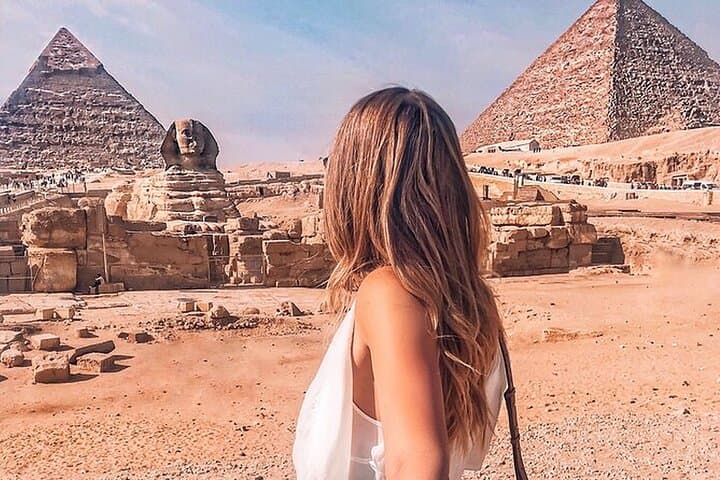
Expect guided museum time (Egyptian Museum), close approaches to pyramids and the Sphinx, a West Bank temple sweep in Luxor, a boat ride to Philae, and a coastal drive along Alexandria’s Corniche. Culture is immediate: call to prayer, street-side coffee rituals, and markets that reward patient negotiation.
Practical edge: travel uses domestic flights and trains; plan lightweight luggage for transfers, carry sun protection and a reusable water bottle, and allow extra time for museum queues and security checks. Comfortable walking shoes and respect for conservative dress in religious sites make each day smoother.
This is a paced, accessibility-friendly introduction to Egypt’s highlights — rich in history, short on technical demands, and alive at every turn.