THE ADVENTURE COLLECTIVE® · Independent discovery and booking for outdoor travel

A focused seven-day circuit through Egypt’s headline sites — Luxor’s temples, Aswan’s obelisks, Cairo’s pyramids and Alexandria’s coast — balanced with practical tips on heat, walking and timing. Read on for what to expect each day and how to prepare.
A focused seven-day circuit through Egypt’s headline sites — Luxor’s temples, Aswan’s obelisks, Cairo’s pyramids and Alexandria’s coast — balanced with practical tips on heat, walking and timing. Read on for what to expect each day and how to prepare.
You step off the plane in Luxor into a dry, sunlit air that seems to sharpen every relief of stone — columns, hieroglyphs and the slow curve of the Nile cutting green through gold. By evening the Karnak pylons throw long shadows; the river hums with feluccas and the desert keeps its quiet.
Verified experiences and guided adventures in the surrounding area.
Operated by Ayad world tours · Luxor, Luxor Governorate
You step off the plane in Luxor into a dry, sunlit air that seems to sharpen every relief of stone — columns, hieroglyphs and the slow curve of the Nile cutting green through gold. By evening the Karnak pylons throw long shadows; the river hums with feluccas and the desert keeps its quiet.
This seven-day itinerary threads through Egypt’s most consequential eras: New Kingdom funerary complexes on Luxor’s West Bank, the granite and sandstone engineering of Aswan, Ptolemaic and Roman traces in Alexandria, and the millennia-rich collections of the Egyptian Museum in Cairo. Geologically the Nile valley is a ribbon of alluvium carved from the surrounding limestone plateau; the sites are low-elevation but exposed, so the sun and dust are constant companions.
Expect guided walks of 1–5 miles per day across uneven stone, sand and paved bazaars, with one overnight sleeper-train between Aswan and Cairo and hotel stays in Luxor, Aswan and Cairo. Cultural rhythms — prayer calls, market bargaining and the slow cadence of river life — punctuate each day.
Practical guidance: carry a 1–2 liter refillable water bottle, sun protection and comfortable, grippy walking shoes; pace museum visits to avoid the midday heat and budget extra time for security lines. Cash in small Egyptian pounds is useful for tips and markets; keep copies of travel documents. Allow time to absorb each monument rather than racing the checklist; the stones remember longer if you do.
moderate.
7 days.
Comfortable walking for 2–5 miles per day, able to stand and climb stairs on uneven surfaces; suitable for travelers in average fitness.
Yes — private air‑conditioned transfers are provided for airport and point-to-point movements; the Aswan–Cairo leg is on a scheduled sleeper train included in the itinerary.
Many nationalities require a tourist visa obtained before travel or on arrival; check current Egyptian consular requirements well before departure.
The trip includes uneven terrain and many steps; while some sites offer accessible routes, full mobility is recommended. The operator notes wheelchair-accessible options—confirm specifics at booking.
Tipping (baksheesh) is common: guides and drivers typically receive tips at the end of services; small amounts for porters and service staff are customary—carry small bills.
Egypt’s valley sites record continuous human activity across Pharaonic, Ptolemaic and Roman periods; many modern neighborhoods grew around ancient riverine trade routes.
Water scarcity and visitor pressure challenge fragile sites; follow site rules, avoid touching reliefs and use marked paths to reduce erosion and wear.
Ayad world tours operates guided outdoor trips and adventures with an emphasis on safety, stewardship, and memorable experiences.

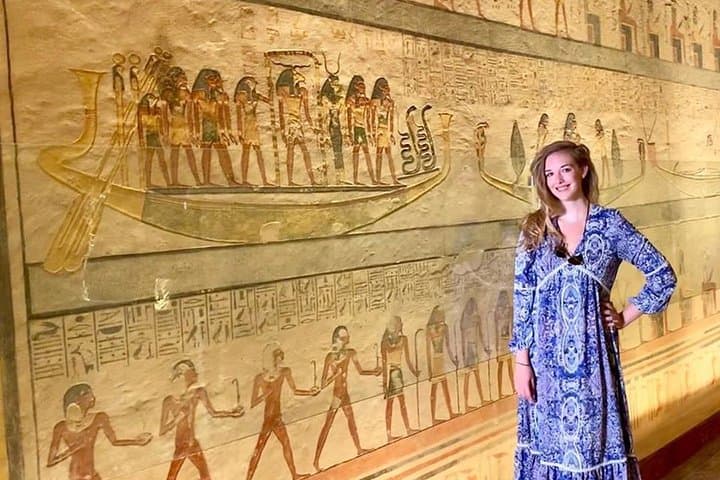

You step off the plane in Luxor into a dry, sunlit air that seems to sharpen every relief of stone — columns, hieroglyphs and the slow curve of the Nile cutting green through gold. By evening the Karnak pylons throw long shadows; the river hums with feluccas and the desert keeps its quiet.
You step off the plane in Luxor into a dry, sunlit air that seems to sharpen every relief of stone — columns, hieroglyphs and the slow curve of the Nile cutting green through gold. By evening the Karnak pylons throw long shadows; the river hums with feluccas and the desert keeps its quiet.
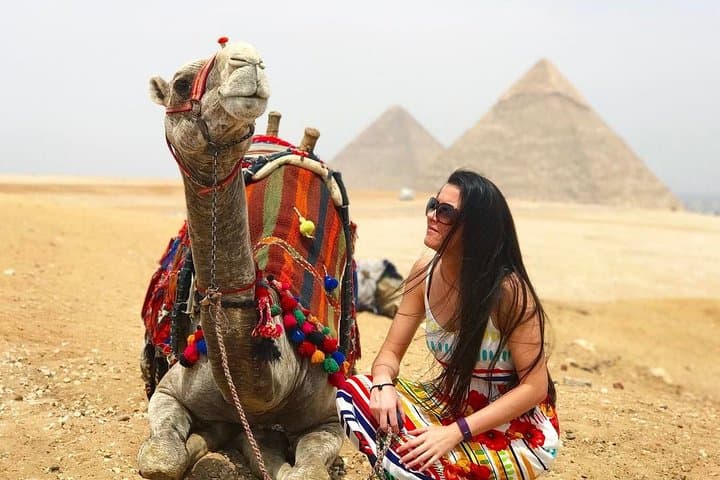
This seven-day itinerary threads through Egypt’s most consequential eras: New Kingdom funerary complexes on Luxor’s West Bank, the granite and sandstone engineering of Aswan, Ptolemaic and Roman traces in Alexandria, and the millennia-rich collections of the Egyptian Museum in Cairo. Geologically the Nile valley is a ribbon of alluvium carved from the surrounding limestone plateau; the sites are low-elevation but exposed, so the sun and dust are constant companions.
Expect guided walks of 1–5 miles per day across uneven stone, sand and paved bazaars, with one overnight sleeper-train between Aswan and Cairo and hotel stays in Luxor, Aswan and Cairo. Cultural rhythms — prayer calls, market bargaining and the slow cadence of river life — punctuate each day.
Practical guidance: carry a 1–2 liter refillable water bottle, sun protection and comfortable, grippy walking shoes; pace museum visits to avoid the midday heat and budget extra time for security lines. Cash in small Egyptian pounds is useful for tips and markets; keep copies of travel documents. Allow time to absorb each monument rather than racing the checklist; the stones remember longer if you do.