THE ADVENTURE COLLECTIVE® · Independent discovery and booking for outdoor travel

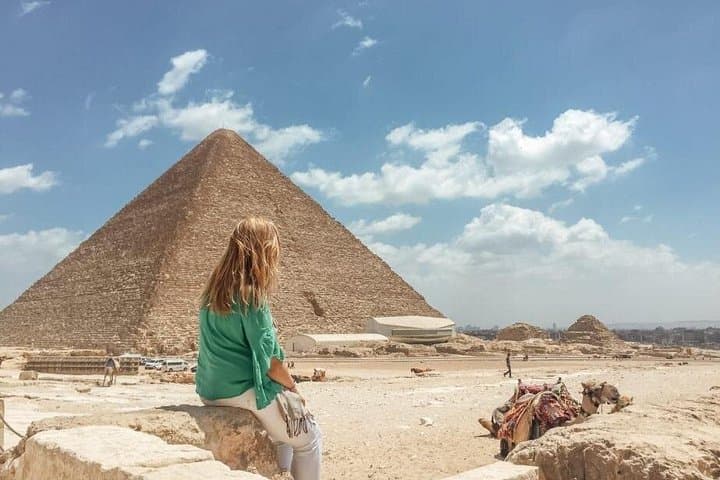
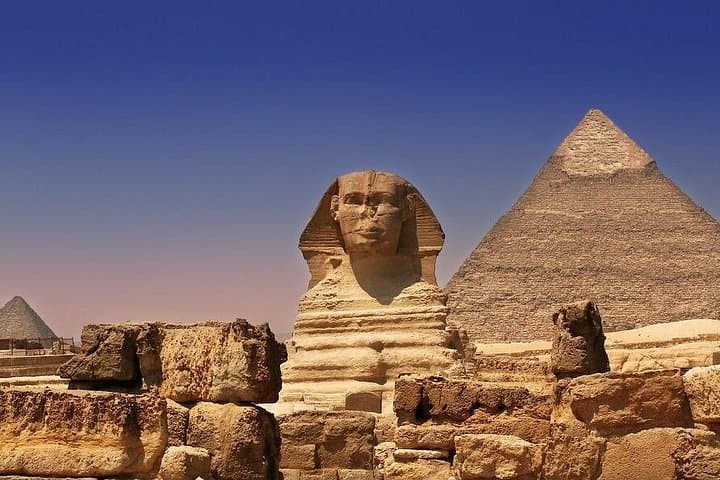
Trace the Nile from Cairo to Abu Simbel in seven days: pyramids and markets, a three-night Nile cruise, a hot-air balloon over Luxor and UNESCO-rescued temples. This compact route folds Egypt’s major pharaonic highlights into one practical, adventure-minded itinerary.
Trace the Nile from Cairo to Abu Simbel in seven days: pyramids and markets, a three-night Nile cruise, a hot-air balloon over Luxor and UNESCO-rescued temples. This compact route folds Egypt’s major pharaonic highlights into one practical, adventure-minded itinerary.
Dawn lifts over the Nile and a string of hot-air balloons drifts above Luxor’s West Bank—below, the river presses like a living line through ochre desert and green floodplain. This seven-day circuit begins in Cairo’s frenetic streets, moves by overnight sleeper train to Aswan, unfurls across a three-night five-star Nile cruise, and punctuates big-history moments at Abu Simbel and the Valley of the Kings.
Verified experiences and guided adventures in the surrounding area.
Operated by Egypt Travel Line · Cairo, Cairo Governorate
Dawn lifts over the Nile and a string of hot-air balloons drifts above Luxor’s West Bank—below, the river presses like a living line through ochre desert and green floodplain. This seven-day circuit begins in Cairo’s frenetic streets, moves by overnight sleeper train to Aswan, unfurls across a three-night five-star Nile cruise, and punctuates big-history moments at Abu Simbel and the Valley of the Kings.
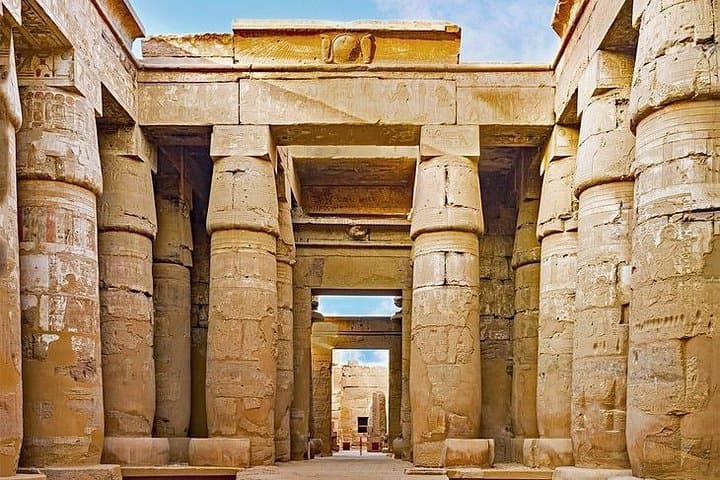
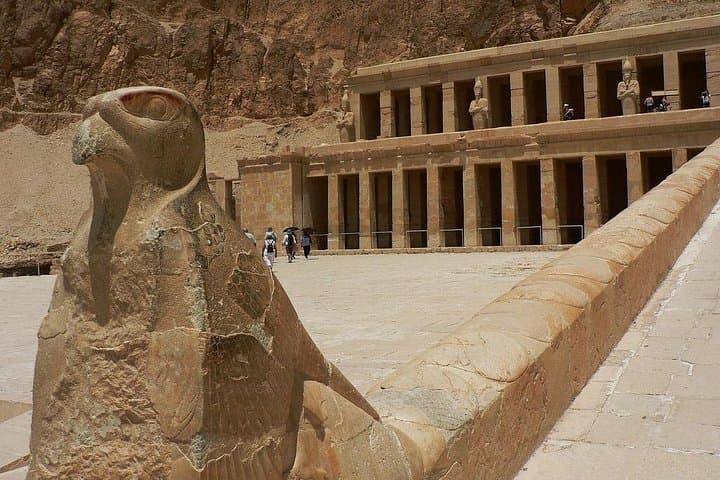
The stretch of the Nile you follow is the cradle of Pharaonic power: granite quarries at Aswan where the unfinished obelisk still lies in its bed, the relocated Philae temple rescued from rising waters in the 1960s, and Abu Simbel’s colossal façades moved rock by rock to escape the Aswan High Dam reservoir. Geologically, the river slices a fertile corridor through desert sandstone and granite outcrops; culturally, markets like Khan el-Khalili and Nubian villages along Elephantine pulse with local crafts and cuisine.
Expect varied terrain: paved city streets and dusty temple forecourts, boat decks and narrow tomb passages—elevation changes are minimal but surfaces are uneven. Practical planning wins the day: carry sun protection and sturdy walking shoes for temple steps, a refillable water bottle for long site days, and lightweight layers for cool desert mornings. Plan for early starts—balloon flights and temple visits are at first light—and decide between overnight train or internal flights to save time.
Respect fragile interiors (no flash photography in many tombs), budget tips for guides and porters, and leave room to book a felucca sail at sunset in Aswan for quieter views of the river daring you downstream.
moderate.
7 days.
Moderate fitness: able to handle multiple days of walking (2–5 miles/day), stairs, and early mornings; not technically demanding.
Expect 2–5 miles (3–8 km) of walking on active days—temple complexes require walking between sites and climbing stairs; tours are generally paced for average fitness.
Operators follow standard safety procedures and most flights are suitable for healthy travelers; children and those with mobility limits should check operator policies and weight/age restrictions before booking.
Yes; winter months (Nov–Feb) are milder and most comfortable. Summer is very hot—early starts and sun protection are essential, and some operators may adjust schedules.
Many modern facilities (cruise, some temples, Aswan attractions) have accessibility options, but ancient sites and tomb interiors have narrow steps and uneven terrain—wheelchair access can be limited.
This corridor contains monuments moved or rescued during the Aswan High Dam era—Philae and Abu Simbel were dismantled and reassembled to preserve them from inundation.
Tourism pressure and rising water management make conservation a priority—avoid touching reliefs, follow site rules, and minimize single-use plastics to help protect fragile monuments.
Egypt Travel Line operates guided outdoor trips and adventures with an emphasis on safety, stewardship, and memorable experiences.
Dawn lifts over the Nile and a string of hot-air balloons drifts above Luxor’s West Bank—below, the river presses like a living line through ochre desert and green floodplain. This seven-day circuit begins in Cairo’s frenetic streets, moves by overnight sleeper train to Aswan, unfurls across a three-night five-star Nile cruise, and punctuates big-history moments at Abu Simbel and the Valley of the Kings.
Dawn lifts over the Nile and a string of hot-air balloons drifts above Luxor’s West Bank—below, the river presses like a living line through ochre desert and green floodplain. This seven-day circuit begins in Cairo’s frenetic streets, moves by overnight sleeper train to Aswan, unfurls across a three-night five-star Nile cruise, and punctuates big-history moments at Abu Simbel and the Valley of the Kings.
The stretch of the Nile you follow is the cradle of Pharaonic power: granite quarries at Aswan where the unfinished obelisk still lies in its bed, the relocated Philae temple rescued from rising waters in the 1960s, and Abu Simbel’s colossal façades moved rock by rock to escape the Aswan High Dam reservoir. Geologically, the river slices a fertile corridor through desert sandstone and granite outcrops; culturally, markets like Khan el-Khalili and Nubian villages along Elephantine pulse with local crafts and cuisine.
Expect varied terrain: paved city streets and dusty temple forecourts, boat decks and narrow tomb passages—elevation changes are minimal but surfaces are uneven. Practical planning wins the day: carry sun protection and sturdy walking shoes for temple steps, a refillable water bottle for long site days, and lightweight layers for cool desert mornings. Plan for early starts—balloon flights and temple visits are at first light—and decide between overnight train or internal flights to save time.
Respect fragile interiors (no flash photography in many tombs), budget tips for guides and porters, and leave room to book a felucca sail at sunset in Aswan for quieter views of the river daring you downstream.