THE ADVENTURE COLLECTIVE® · Independent discovery and booking for outdoor travel

Cross the Pacific and the millennia in seven days: fly from Seattle into the layered cities of Egypt, from the Giza plateau to Luxor and Aswan. This fast-paced private tour pairs essential Pharaonic sites with practical travel guidance—ideal for first-time visitors who want history, Nile scenery and city life in one compact itinerary.
Cross the Pacific and the millennia in seven days: fly from Seattle into the layered cities of Egypt, from the Giza plateau to Luxor and Aswan. This fast-paced private tour pairs essential Pharaonic sites with practical travel guidance—ideal for first-time visitors who want history, Nile scenery and city life in one compact itinerary.
You step out of the humid Seattle terminal with a boarding pass that reads CAI and a week of time folded into a suitcase. The first hours are airport blur—coffee, customs, a long-haul shuffle—then the airplane nose tips and a different sky opens. When you finally walk into Cairo, the air has weight and history: minarets cut the horizon, delivery trucks thread through cartridge-scarred streets, and the Nile, wide and deliberate, dares you to slow down.
Verified experiences and guided adventures in the surrounding area.
Operated by Eman abo · Cairo, Cairo Governorate
You step out of the humid Seattle terminal with a boarding pass that reads CAI and a week of time folded into a suitcase. The first hours are airport blur—coffee, customs, a long-haul shuffle—then the airplane nose tips and a different sky opens. When you finally walk into Cairo, the air has weight and history: minarets cut the horizon, delivery trucks thread through cartridge-scarred streets, and the Nile, wide and deliberate, dares you to slow down.
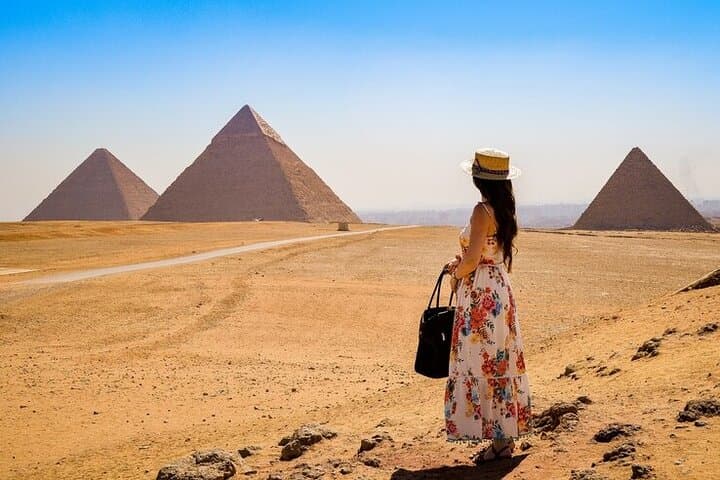
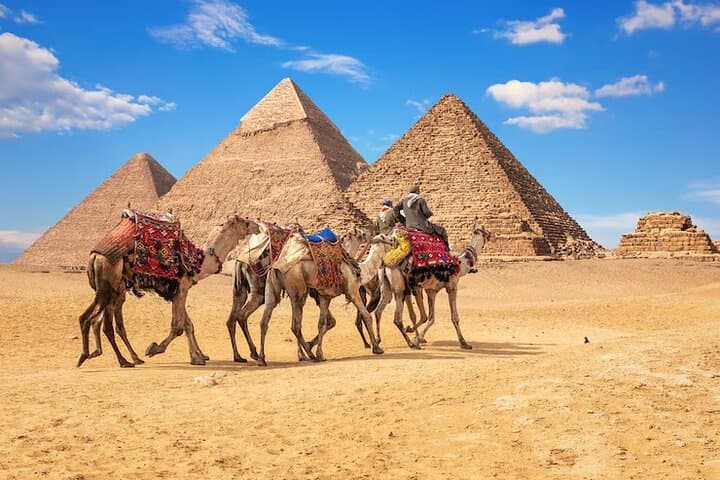
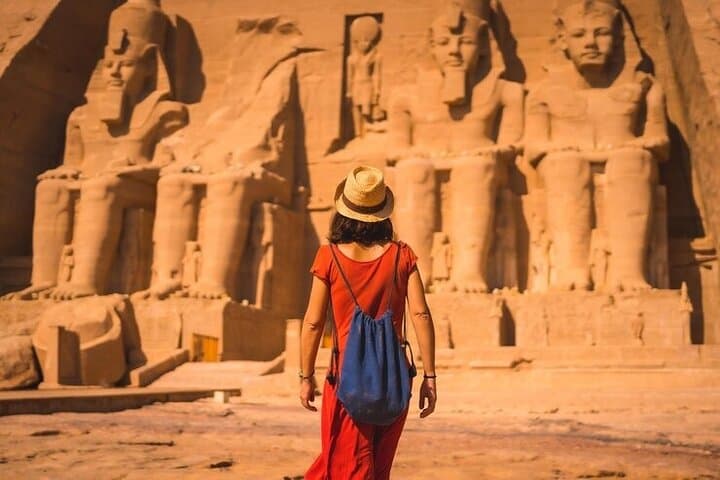
This seven-day itinerary moves fast by design: a couple of Seattle days to settle, then a transoceanic jump into the layered civilizations of Egypt. The Giza plateau announces itself with stones older than many nations; the Great Pyramid, built during the Old Kingdom, still holds the geometry of imperial scale. Cairo’s Citadel and the medieval heart of Islamic Cairo speak to the city’s role as a crossroads, while Alexandria turns the narrative to Mediterranean trade and Hellenistic ambition. Luxor and Aswan push the story downstream along the Nile: open temples, rock-cut tombs and the engineering sweep of the Aswan High Dam.
Geologically, Egypt reads as desert on top of a deeper Nile sedimentary record—sand that carries and conceals, river silt that made agriculture possible. Culturally, the trip stitches Pharaonic monuments to Ottoman-era markets and modern Egyptian life; street cafés, fragrant with hibiscus and strong coffee, give quick lessons in local rhythm.
Practical planning keeps the trip enjoyable. The international flight from Seattle is long (expect 15+ hours plus layovers), so pack compression bags and a neck pillow. Dress in layers for variable hotel AC, cool temple mornings and hot desert afternoons; a breathable sun shirt and a wide-brim hat are essential. Carry photocopies of passport and an e‑visa or visa-on-arrival confirmation—immigration lines are smoother with the right paperwork. Footwear should handle uneven stone and cobbles: closed-toe walking shoes with good tread. Because water is scarce in places, refill a bottle from trusted hotel supplies and hydrate steadily; bottled water is widely available.
The pace is sightseeing-forward: early starts for cooler light at Giza, midday museums, and late afternoons on the Corniche or Nile banks. Guides on this private itinerary provide local context and language support; they’ll also advise on tipping, bargaining in bazaars, and respectful behavior at religious sites. With a mix of walking, short flights or drives between cities, and time on the Nile, the week gives a compact but meaningful survey of Egypt’s highlights—enough to spark deeper return trips.
moderate.
7 days.
Able to handle full days of walking (2–5 miles per day) on uneven ground and stairs; comfortable with long flights.
International flights from Seattle to Egypt are not included; the itinerary starts with pickup at Seattle airport and continues with local transport and included meals/accommodations as listed.
Many nationalities can obtain an e‑visa in advance or a visa on arrival; check Egypt’s official visa portal for your country and apply before travel to avoid delays.
Suppliers list the tour as wheelchair accessible for transportation, but many archaeological sites have uneven terrain and stairs—confirm specific mobility needs with the operator before booking.
Ensure routine vaccines are up to date, bring anti‑diarrheal basics, and use bottled or purified water; consult a travel clinic for personalized advice.
Meals listed (breakfast, most lunches and dinners per the itinerary) are included; gratuities for guides and drivers are typically not included and are discretionary.
Expect several hours of guided walking each day with pauses at museums and rest stops—plan for 2–5 miles of mixed terrain, including uneven stone at ruins.
The Giza pyramids date to Egypt’s Old Kingdom (c. 2600–2500 BCE); Alexandria later anchored Hellenistic and Roman eras before evolving into the Ottoman and modern Egyptian cityscape.
Water scarcity and tourism pressure are local concerns—avoid single‑use plastics where possible and follow site rules (no climbing on monuments) to protect fragile heritage.
Eman abo operates guided outdoor trips and adventures with an emphasis on safety, stewardship, and memorable experiences.
You step out of the humid Seattle terminal with a boarding pass that reads CAI and a week of time folded into a suitcase. The first hours are airport blur—coffee, customs, a long-haul shuffle—then the airplane nose tips and a different sky opens. When you finally walk into Cairo, the air has weight and history: minarets cut the horizon, delivery trucks thread through cartridge-scarred streets, and the Nile, wide and deliberate, dares you to slow down.
You step out of the humid Seattle terminal with a boarding pass that reads CAI and a week of time folded into a suitcase. The first hours are airport blur—coffee, customs, a long-haul shuffle—then the airplane nose tips and a different sky opens. When you finally walk into Cairo, the air has weight and history: minarets cut the horizon, delivery trucks thread through cartridge-scarred streets, and the Nile, wide and deliberate, dares you to slow down.
This seven-day itinerary moves fast by design: a couple of Seattle days to settle, then a transoceanic jump into the layered civilizations of Egypt. The Giza plateau announces itself with stones older than many nations; the Great Pyramid, built during the Old Kingdom, still holds the geometry of imperial scale. Cairo’s Citadel and the medieval heart of Islamic Cairo speak to the city’s role as a crossroads, while Alexandria turns the narrative to Mediterranean trade and Hellenistic ambition. Luxor and Aswan push the story downstream along the Nile: open temples, rock-cut tombs and the engineering sweep of the Aswan High Dam.
Geologically, Egypt reads as desert on top of a deeper Nile sedimentary record—sand that carries and conceals, river silt that made agriculture possible. Culturally, the trip stitches Pharaonic monuments to Ottoman-era markets and modern Egyptian life; street cafés, fragrant with hibiscus and strong coffee, give quick lessons in local rhythm.
Practical planning keeps the trip enjoyable. The international flight from Seattle is long (expect 15+ hours plus layovers), so pack compression bags and a neck pillow. Dress in layers for variable hotel AC, cool temple mornings and hot desert afternoons; a breathable sun shirt and a wide-brim hat are essential. Carry photocopies of passport and an e‑visa or visa-on-arrival confirmation—immigration lines are smoother with the right paperwork. Footwear should handle uneven stone and cobbles: closed-toe walking shoes with good tread. Because water is scarce in places, refill a bottle from trusted hotel supplies and hydrate steadily; bottled water is widely available.
The pace is sightseeing-forward: early starts for cooler light at Giza, midday museums, and late afternoons on the Corniche or Nile banks. Guides on this private itinerary provide local context and language support; they’ll also advise on tipping, bargaining in bazaars, and respectful behavior at religious sites. With a mix of walking, short flights or drives between cities, and time on the Nile, the week gives a compact but meaningful survey of Egypt’s highlights—enough to spark deeper return trips.