THE ADVENTURE COLLECTIVE® · Independent discovery and booking for outdoor travel

A compact seven-day land tour that connects Cairo’s ancient core with Luxor’s temples, Aswan’s Nile-edge culture and the monumental Abu Simbel. Expect early starts, long drives, and a mix of guided history and hands-on local encounters.
A compact seven-day land tour that connects Cairo’s ancient core with Luxor’s temples, Aswan’s Nile-edge culture and the monumental Abu Simbel. Expect early starts, long drives, and a mix of guided history and hands-on local encounters.
You step out of Cairo International into a dry, sun-warmed air that seems to push you toward the flat horizon where minarets puncture the sky and the Nile threads green through the city. The first morning finds you at Giza, walking the hard, ancient stone as the pyramids loom—geological giants of limestone and mortar that still command attention.
Verified experiences and guided adventures in the surrounding area.
Operated by nourdak travel · Cairo, Cairo Governorate
You step out of Cairo International into a dry, sun-warmed air that seems to push you toward the flat horizon where minarets puncture the sky and the Nile threads green through the city. The first morning finds you at Giza, walking the hard, ancient stone as the pyramids loom—geological giants of limestone and mortar that still command attention.
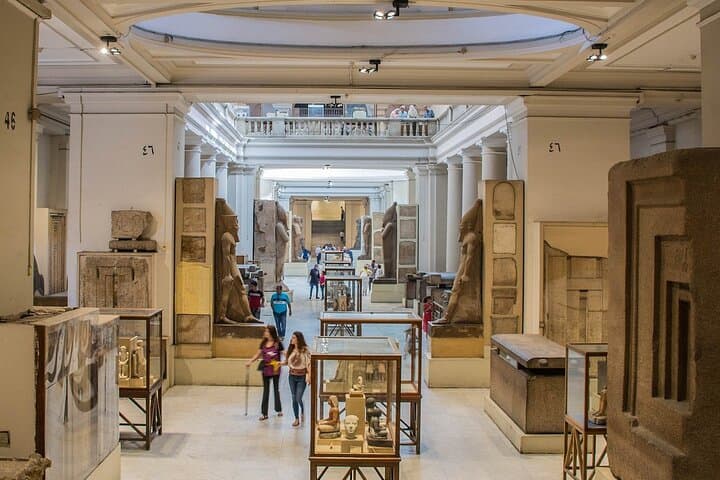
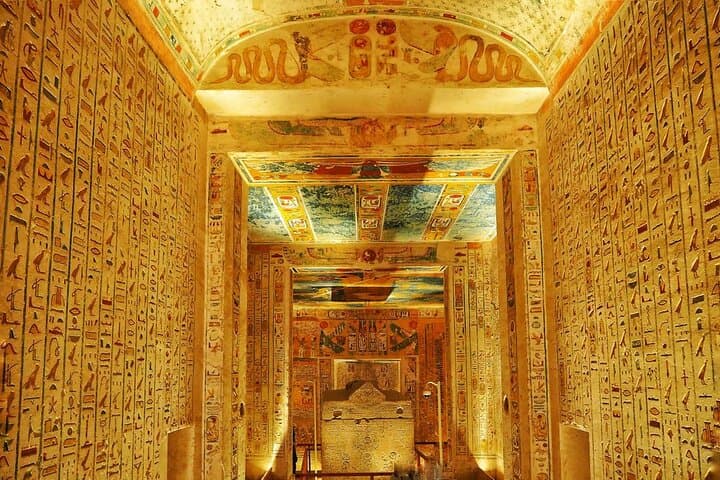
This seven-day route moves from Cairo’s crowded layers of Coptic and Islamic history to the open sands of Luxor, the cliff-lined Nile at Aswan, and the rock-cut façade of Abu Simbel. The tour traces millennia: New Kingdom tombs in the Valley of the Kings, the terraced mortuary temple of Hatshepsut clinging to Deir el-Bahari’s cliffs, and the modern engineering story of the Aswan High Dam and UNESCO’s relocation of Abu Simbel in the 1960s.
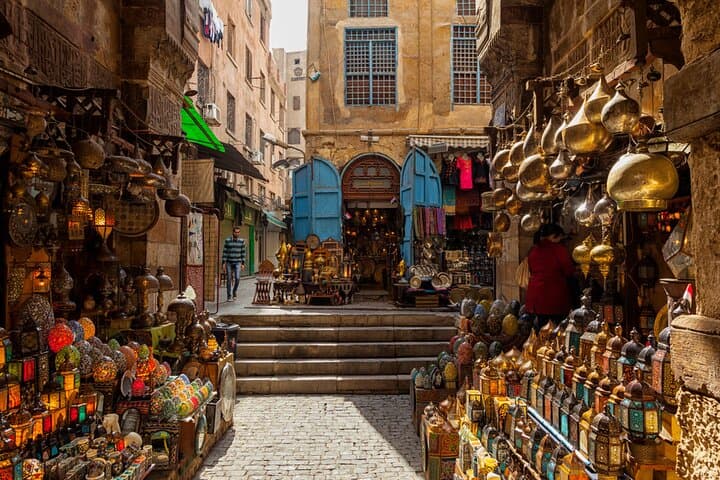
Expect clear sensory contrasts—city noise and calls to prayer, the Nile’s slow push past feluccas, and desert winds that abrade stone reliefs. Local culture is visible in market stalls, Nubian island gardens, and the cadence of Arabic spoken on guided walks.
Practical guidance: travel early to beat both heat and crowds, wear sturdy shoes for uneven temple steps, and carry a refillable water bottle and sun protection. Overnight rail and long coach transfers are part of the flow—pack light for the sleeper train and keep essentials in a daypack. Be ready for lots of photo opportunities, brief intense walking on exposed sites, and a schedule that balances guide-led visits with short windows of independent exploration.
easy.
7 days.
Suitable for travelers in normal health who can walk 1–3 miles a day and manage stairs and uneven surfaces.
Most major entrance fees noted in the itinerary are included; breakfasts and several meals are provided—check the specific daily inclusions for details.
By road it’s about a 3–3.5 hour drive each way from Aswan; expect a full-day excursion with early departure.
The overnight sleeper train offers basic air-conditioned compartments and meals—comfortable for short overnight travel but more rustic than a hotel stay.
The tour lists wheelchair-accessible options, but many temple sites have steps and uneven ground—confirm specific access needs in advance so guides can plan accordingly.
The itinerary threads pharaonic sites with modern interventions—UNESCO’s 1960s relocation of Abu Simbel saved the temples from the rising waters of Lake Nasser after the Aswan High Dam was built.
Tourism concentrates wear on fragile tomb paintings and reliefs—follow barriers, avoid flash photography where requested, and support licensed guides and local conservation initiatives.
nourdak travel operates guided outdoor trips and adventures with an emphasis on safety, stewardship, and memorable experiences.
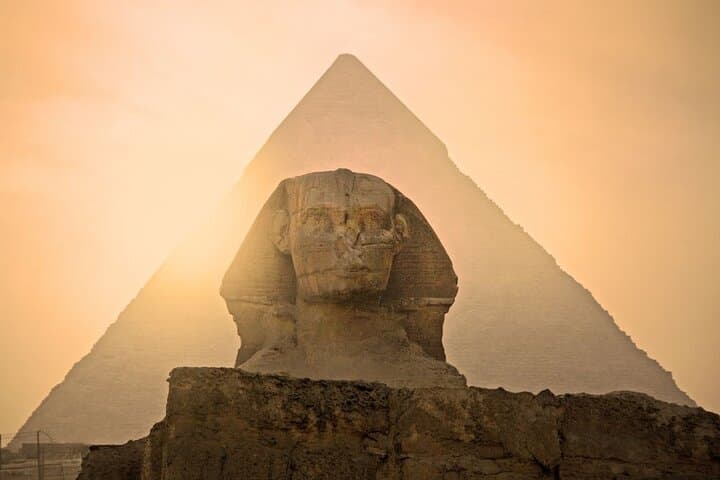
You step out of Cairo International into a dry, sun-warmed air that seems to push you toward the flat horizon where minarets puncture the sky and the Nile threads green through the city. The first morning finds you at Giza, walking the hard, ancient stone as the pyramids loom—geological giants of limestone and mortar that still command attention.
You step out of Cairo International into a dry, sun-warmed air that seems to push you toward the flat horizon where minarets puncture the sky and the Nile threads green through the city. The first morning finds you at Giza, walking the hard, ancient stone as the pyramids loom—geological giants of limestone and mortar that still command attention.
This seven-day route moves from Cairo’s crowded layers of Coptic and Islamic history to the open sands of Luxor, the cliff-lined Nile at Aswan, and the rock-cut façade of Abu Simbel. The tour traces millennia: New Kingdom tombs in the Valley of the Kings, the terraced mortuary temple of Hatshepsut clinging to Deir el-Bahari’s cliffs, and the modern engineering story of the Aswan High Dam and UNESCO’s relocation of Abu Simbel in the 1960s.
Expect clear sensory contrasts—city noise and calls to prayer, the Nile’s slow push past feluccas, and desert winds that abrade stone reliefs. Local culture is visible in market stalls, Nubian island gardens, and the cadence of Arabic spoken on guided walks.
Practical guidance: travel early to beat both heat and crowds, wear sturdy shoes for uneven temple steps, and carry a refillable water bottle and sun protection. Overnight rail and long coach transfers are part of the flow—pack light for the sleeper train and keep essentials in a daypack. Be ready for lots of photo opportunities, brief intense walking on exposed sites, and a schedule that balances guide-led visits with short windows of independent exploration.